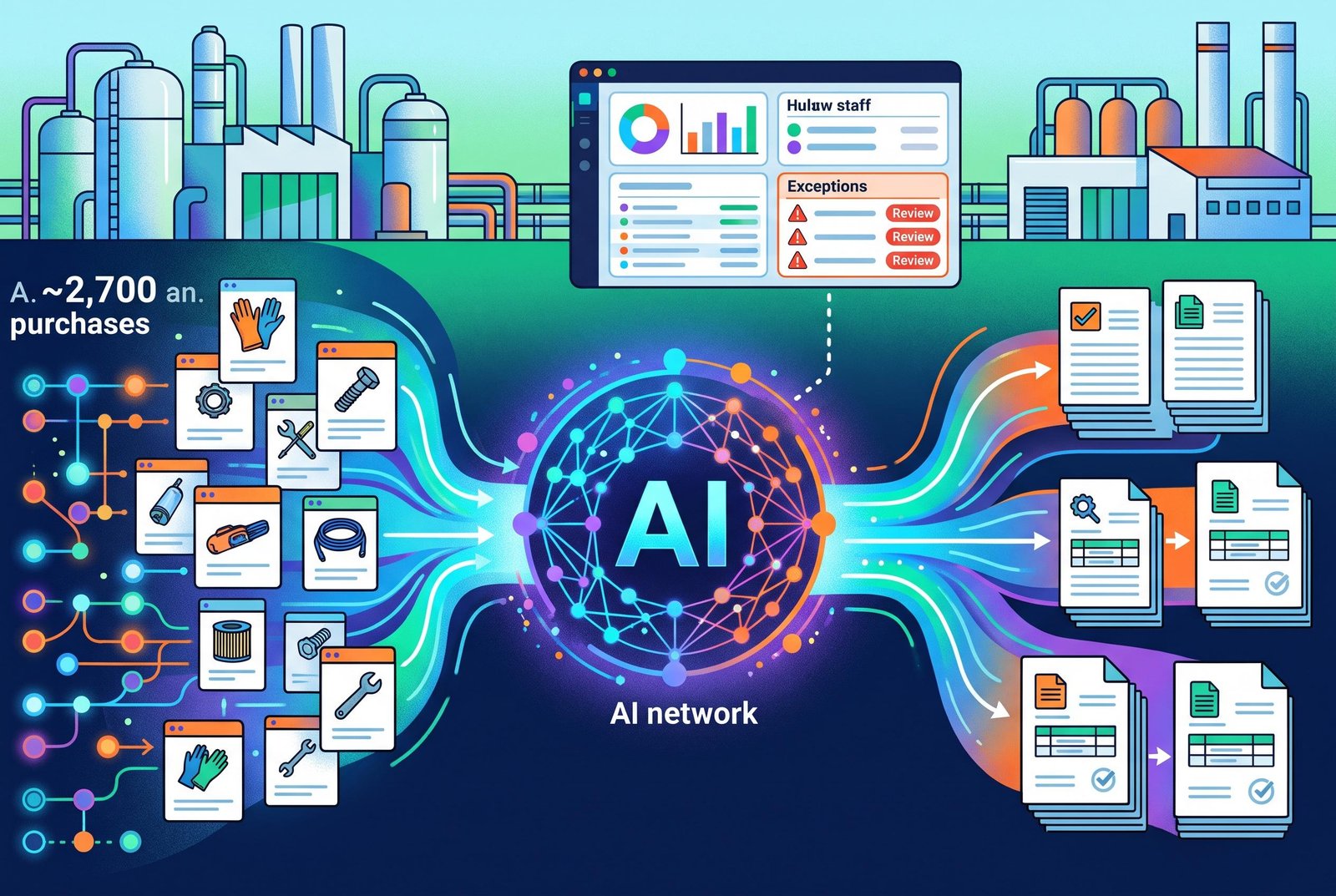
Emro has secured a contract to develop an artificial intelligence agent that will automate small-value materials procurement for GS Caltex, in a move that both companies say is aimed at easing routine administrative work and improving the consistency of purchasing decisions.
According to reporting from The Elec, the project will initially cover about 2,700 small-value purchases a year. The planned system is designed to take over the procurement sequence end to end, beginning wi...
Continue Reading This Article
Enjoy this article as well as all of our content, including reports, news, tips and more.
By registering or signing into your SRM Today account, you agree to SRM Today's Terms of Use and consent to the processing of your personal information as described in our Privacy Policy.
th the assessment of purchase requests and the gathering of quotations, before moving on to supplier evaluation and the issuing of purchase orders.
GS Caltex has been examining ways to streamline this part of its operations through its strategic procurement division and its internal Digital and AI Transformation centre, with efficiency, objectivity and transparency among the main goals. The company wants to reduce the amount of repetitive work carried out by staff while making procurement outcomes easier to monitor and more consistent across similar transactions.
Emro, which specialises in AI-based supply chain management software, said it will first analyse and standardise GS Caltex’s historical procurement records. That work is expected to help define the rules the agent will use, including how it distinguishes between item categories, purchase values, procurement types, supplier selection criteria and exceptional cases.
Once those standards are in place, the AI agent will decide whether a new request can be handled automatically. If it qualifies, the system will manage the process through quotation requests and comparison, supplier selection and purchase-order issuance. Where a case requires human judgement, it will be routed to procurement staff for manual review.
A further element of the project is a real-time monitoring system that will allow employees to track the agent’s activity and results as they happen. Staff will also be able to step in if the system encounters an exception or makes an error, a safeguard intended to limit the operational risks that can accompany automation.
The system will be built on Emro’s proprietary AI Studio platform, which the company says is designed to help businesses develop and manage AI agents that connect with internal enterprise systems. Emro also plans to integrate the new agent with GS Caltex’s existing procurement infrastructure and, over time, expand its use beyond small-value materials purchasing into other procurement processes.
The project reflects a broader push by industrial companies to apply AI not just to analysis and forecasting, but to the administrative routines that absorb time and resources. In GS Caltex’s case, the focus is on a narrow but labour-intensive area of spending where standardisation may make automation more practical than in more complex categories of procurement.
Source: Noah Wire Services