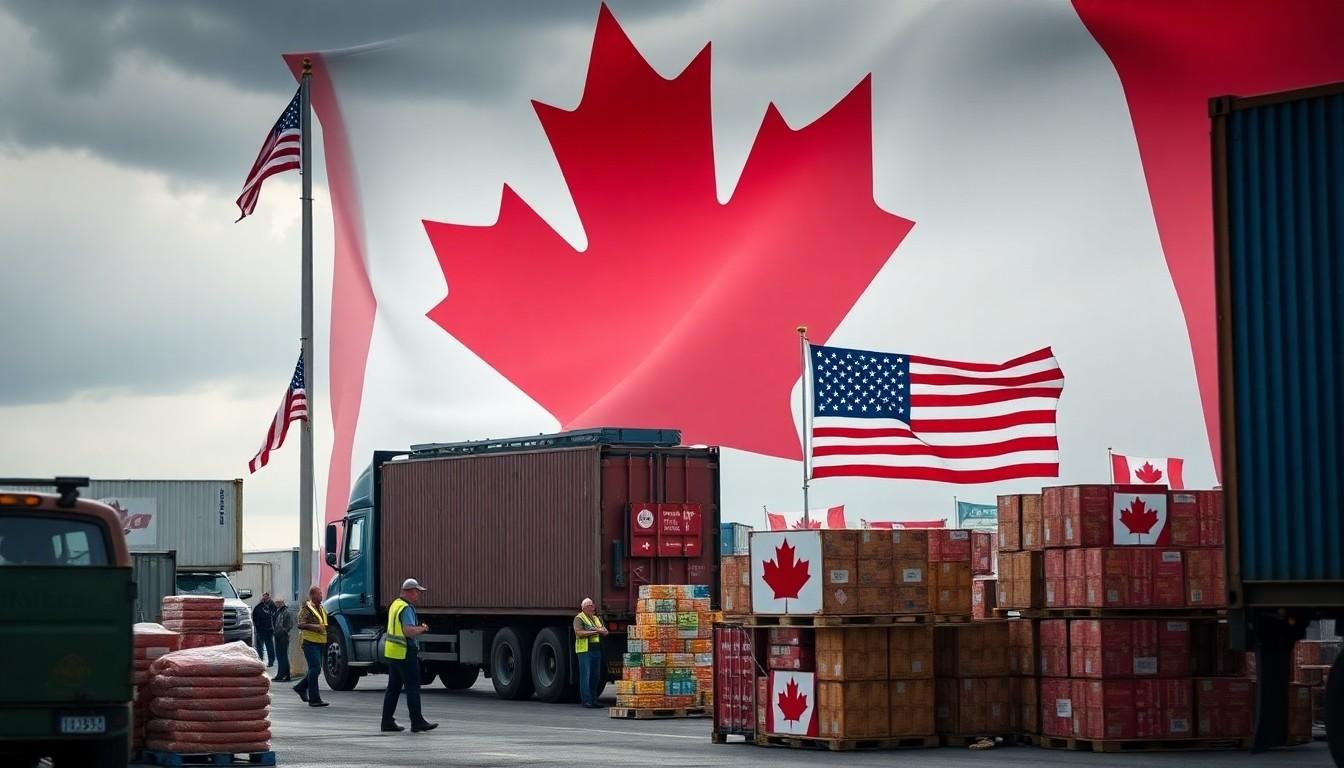
President Donald Trump has escalated his trade fight with Canada by signing three proclamations that will impose an additional 50% tariff on selected Canadian goods from 19 August 2026, according to the White House.
The measures, announced on 20 July, are aimed at products including wine, hockey sticks and cement, and are being justified by Washington as a response to what it describes as discriminatory treatment of US exports by Canada, particularly in cars, alcoholic drinks a...
Continue Reading This Article
Enjoy this article as well as all of our content, including reports, news, tips and more.
By registering or signing into your SRM Today account, you agree to SRM Today's Terms of Use and consent to the processing of your personal information as described in our Privacy Policy.
nd dairy. The White House said the action is intended to offset what it sees as an uneven burden on American commerce.
The tariff package is narrower than a blanket levy on Canadian imports. According to the Office of the US Trade Representative, it covers imports worth nearly $20 billion, or about 5.2% of the $383 billion in goods the US imported from Canada in 2025. Exemptions include energy, potash, fish, critical minerals and goods already hit by sectoral tariffs under Section 232, such as some steel, aluminium, copper and vehicle products.
The new duties are also set to apply to goods that qualify under the United States-Mexico-Canada Agreement, undermining a route that has usually allowed Canadian exports to enter the US market on preferential terms. Officials in Washington have made clear that the president can still alter, suspend or cancel the measures before or after they take effect.
At the centre of the dispute are three separate complaints under Section 338 of the Tariff Act of 1930. The Trump administration says Canada has tilted the playing field against American exporters in motor vehicles, alcohol and dairy. It points in particular to Canadian tariffs on vehicles that do not meet USMCA rules, along with quota-based restrictions on some imports, which Washington argues can disadvantage US manufacturers that shifted production south of the border.
The move threatens to deepen tensions between the two neighbours at a time when trade relations in North America remain closely tied to the USMCA framework. For now, the tariffs are scheduled to begin in just under a month, but the White House’s wording leaves Trump considerable room to change course.
Source: Noah Wire Services