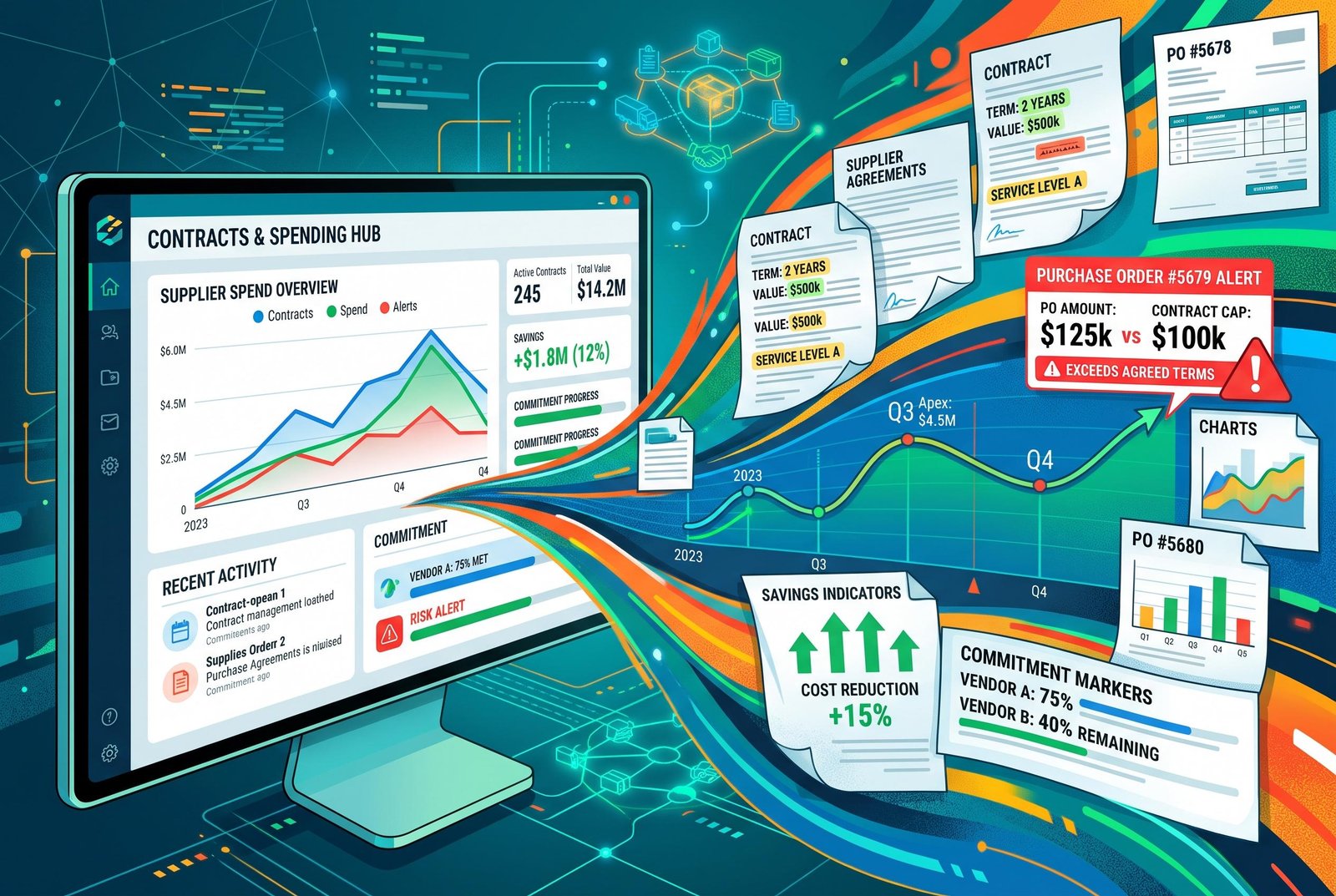
DocuSign’s decision to buy Suplari marks another step in the software group’s push to turn its Intelligent Agreement Management platform into a broader tool for procurement and contract oversight, with the company saying the deal is designed to connect supplier agreements more closely with spending data and AI-driven analysis.
In announcing the acquisition, DocuSign said Suplari’s technology will be folded into its agreement management offering to help customers identify ...
Continue Reading This Article
Enjoy this article as well as all of our content, including reports, news, tips and more.
By registering or signing into your SRM Today account, you agree to SRM Today's Terms of Use and consent to the processing of your personal information as described in our Privacy Policy.
savings, track supplier commitments, improve renewal planning and flag purchases that appear to stray from agreed terms. Allan Thygesen, DocuSign’s chief executive, said procurement teams need to understand both what supplier contracts say and how a company actually spends, underlining the company’s view that contract visibility and spend intelligence should sit side by side.
Suplari, which describes itself as an AI-native procurement intelligence business, focuses on analysing spend, supplier information and contract data to surface savings opportunities, compliance gaps and supplier risks. Its own materials say the software is built to help procurement teams move from fragmented information to more actionable decisions, including follow-up steps when exceptions or risks are identified.
The acquisition appears aimed at strengthening that proposition inside DocuSign’s existing agreement tools. The company’s Agreement Manager product already offers a secure place to centralise contracts, extract key terms, monitor deadlines, manage obligations and produce portfolio-level reporting. DocuSign’s wider Intelligent Agreement Management framework is presented as a way to automate work across the full agreement lifecycle, not just at the point of signature, with the company arguing that AI can reduce manual work and limit blind spots.
For procurement teams, the attraction is clear. When spending data is linked to contract language, companies can more easily spot whether suppliers are delivering what was promised, whether invoices match agreed rates and whether renewals should be negotiated differently. That is especially relevant in organisations where purchasing information is spread across departments or trapped in spreadsheets and email threads.
Jeff Gerber, Suplari’s chief executive, said the deal would connect his company’s intelligence more closely to the agreements that shape corporate spending. That suggests DocuSign sees the acquisition not simply as a feature add-on, but as a way to widen the role of its platform from document management to decision support.
The timing also reflects a broader shift across enterprise software, where AI is increasingly being used to make contract data easier to search, compare and act upon. IBM has previously argued that AI can help procurement teams manage contracts more effectively by improving access to information, supporting monitoring and making renewals and negotiations more data-driven. In that sense, DocuSign is moving into a part of the market where the appeal of AI lies less in novelty than in reducing the friction and risk that come with manual procurement processes.
For smaller businesses, the promise is practical: better visibility on supplier obligations, quicker identification of overspending and a more informed basis for negotiations. But the benefits will depend on implementation. Adopting AI-led procurement tools can require time, training and money, and businesses with patchwork systems may find integration more demanding than the headline promise suggests.
Even so, the acquisition shows how agreement software is evolving. What was once chiefly about getting contracts signed is increasingly about understanding what those contracts mean in practice, how they affect spend and where value may be slipping away. DocuSign is betting that pairing agreement management with procurement intelligence will help customers, including smaller firms with tighter margins, make sharper decisions about every supplier relationship.
Source: Noah Wire Services