A new report in The Wall Street Journal has cast fresh light on the hard-nosed tactics Apple once used to secure flash memory supplies, and on how quickly that leverage has now ebbed as the artificial intelligence boom reshapes the chip market.
According to the Journal, Apple and its former head of procurement, Tony Blevins, pressed suppliers to open their books and reveal sales data so the company could check whether rivals were receiving better terms. The report says Apple al...
Continue Reading This Article
Enjoy this article as well as all of our content, including reports, news, tips and more.
By registering or signing into your SRM Today account, you agree to SRM Today's Terms of Use and consent to the processing of your personal information as described in our Privacy Policy.
so sometimes placed orders at very low prices and then declined to take delivery if market prices later fell, leaving suppliers stuck with unsold inventory, including chips made specifically for Apple. Executives at Kioxia reportedly joked that dealing with the company felt like the Charlie Brown and Lucy football gag, with the ball pulled away at the last moment.
The account also revisits an earlier dispute with SanDisk, which the Journal says dates back to around the end of 2015. At that point, SanDisk had other customers willing to pay more and refused Apple’s request for additional supply. Blevins is said to have threatened a sales representative, warning that he would make SanDisk chief executive Sanjay Mehrotra “crawl back on his knees” to Apple.
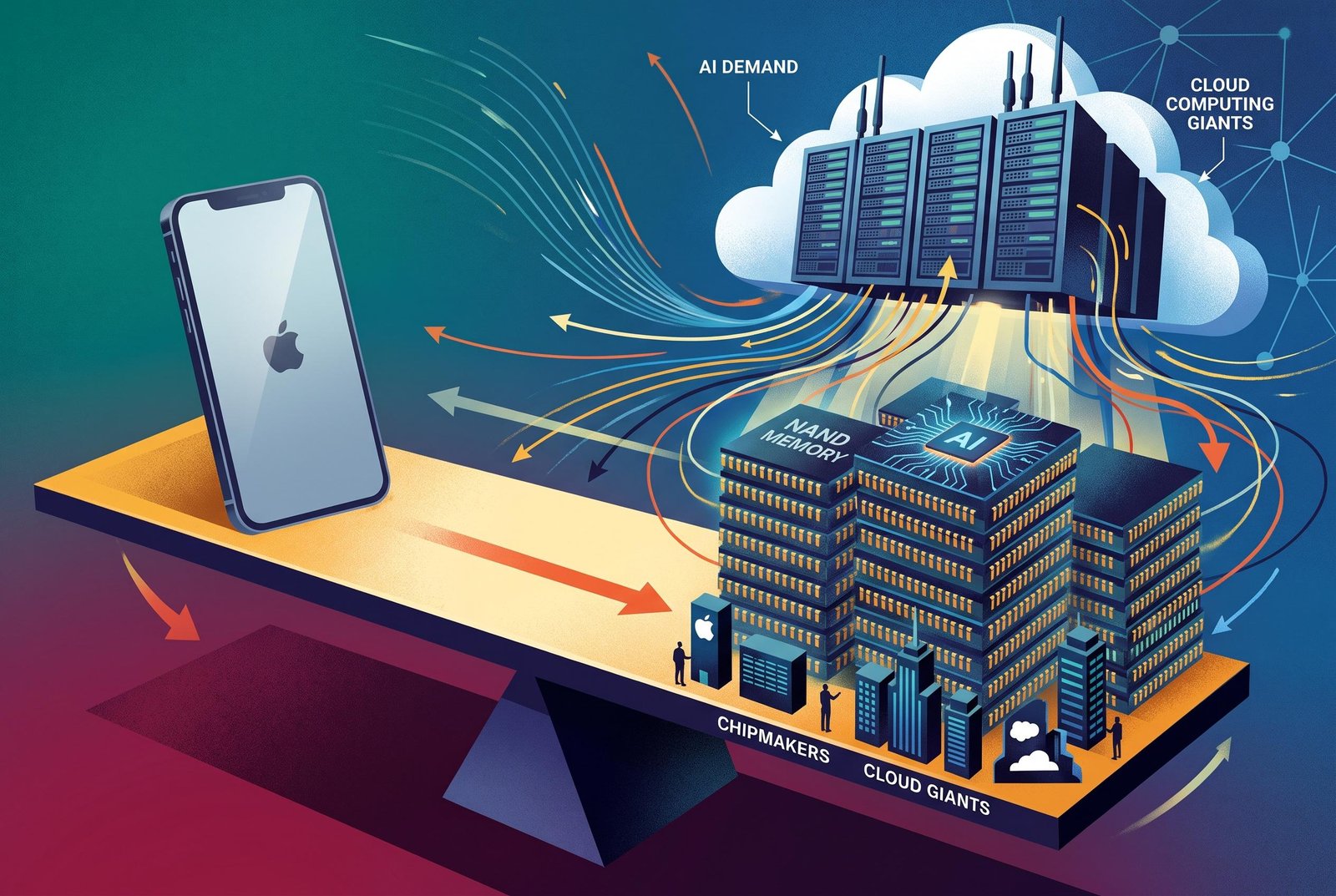
What makes the report especially striking is that Apple’s position in the memory market appears to have weakened sharply. MacRumors, summarising the Journal’s findings, said that two years ago Apple was buying almost twice as much flash storage as Microsoft, Amazon, Meta and Google combined. Today, however, the large cloud companies are purchasing roughly twice the volume Apple is taking.
That reversal has emerged just as memory has become one of the most constrained components in technology supply chains. TrendForce says the AI-driven rush for storage and high-bandwidth memory has shifted bargaining power away from device makers and towards suppliers, many of whom can now command richer, longer-term contracts from data-centre operators. The publication also noted that Apple is said to be reassessing its purchasing strategy in response.
The pressure has already fed through to consumers. Earlier this year, Apple raised prices on a range of products, including iPhones, iPads, Macs, HomePods and Apple TV, and the company blamed the increases on the rising cost and scarcity of memory components. The Associated Press reported that Apple said the rapid build-out of AI infrastructure had caused an extraordinary surge in demand for memory and storage, pushing component costs up far faster than expected.
SK Hynix has since added to concerns that the squeeze may persist for years. Fortune reported that the South Korean chipmaker expects the global memory shortage to last through 2030, pointing to sustained demand from AI systems and the difficulty of expanding advanced production capacity quickly. The company has already secured long-term agreements covering more than half of its output for 2027 and 2028, a sign of how far ahead major customers are now booking supply.
For Apple, the new dynamic marks a notable shift. A company once known for forcing suppliers into punishing commercial terms now appears to be operating in a market where memory makers hold more of the cards, and where the costs of keeping pace with AI-fuelled demand may continue to ripple across the rest of its product line for some time.
Source: Noah Wire Services