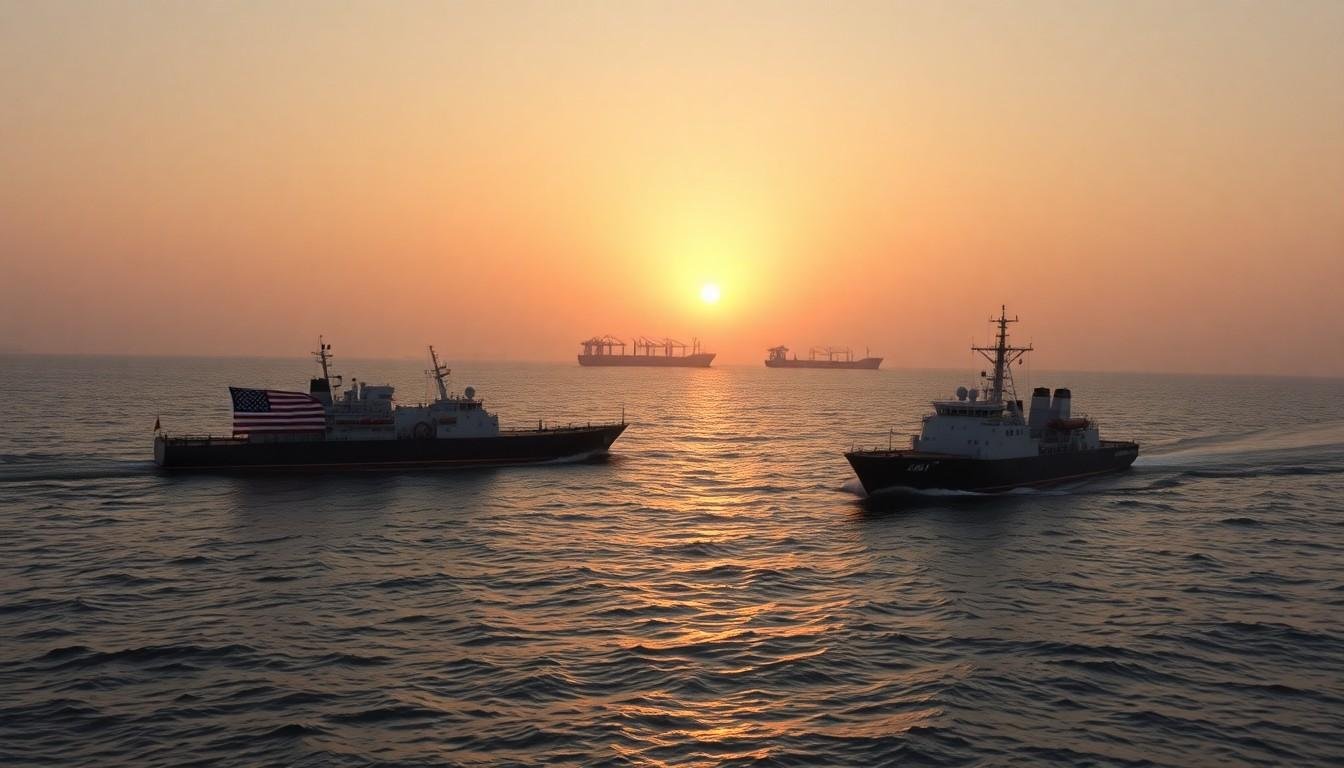
President Donald Trump has said the United States and Iran have reached a peace and nuclear agreement, paving the way for the reopening of the Strait of Hormuz and a possible easing of sanctions if Tehran complies with the terms.
In a post on Truth Social, Mr Trump said the agreement was complete and urged oil markets to prepare for resumed traffic through the waterway, which is one of the world’s most important routes for crude exports. He wrote: “Ships of the World, s...
Continue Reading This Article
Enjoy this article as well as all of our content, including reports, news, tips and more.
By registering or signing into your SRM Today account, you agree to SRM Today's Terms of Use and consent to the processing of your personal information as described in our Privacy Policy.
tart your engines. Let the oil flow!”
According to the reported terms, Iran would pledge not to seek nuclear weapons and accept tougher inspections, although the precise mechanism for monitoring compliance has not yet been disclosed. Tehran would not receive cash as part of the arrangement, but Washington could loosen sanctions over time if Iran meets its obligations.
The announcement comes after Mr Trump said he had cancelled a third straight day of strikes on Iran, saying a deal was close and that the timing and location of the signing would be announced soon. Pakistan’s Prime Minister Shehbaz Sharif has since confirmed that the signing ceremony is due to take place in Switzerland on June 19.
The development follows a period of escalating tension between the two countries, including reports of military strikes and Iranian threats to close the Strait of Hormuz. Mr Trump had warned of further major attacks unless Tehran accepted a peace settlement, while also describing talks as being in their final stages.
Markets reacted quickly to the prospect of a thaw. Gold rose sharply and Brent crude fell by nearly 4% as traders priced in the possibility of freer oil flows through the strait and reduced pressure on inflation. The move could also ease fears of broader disruption to global energy supplies.
Pakistan appears to have played a central mediating role. According to officials cited in the reports, weeks of backchannel diplomacy involving regional and international actors helped bring the two sides to agreement, though further details on the text of the deal have not yet been made public.
Source: Noah Wire Services