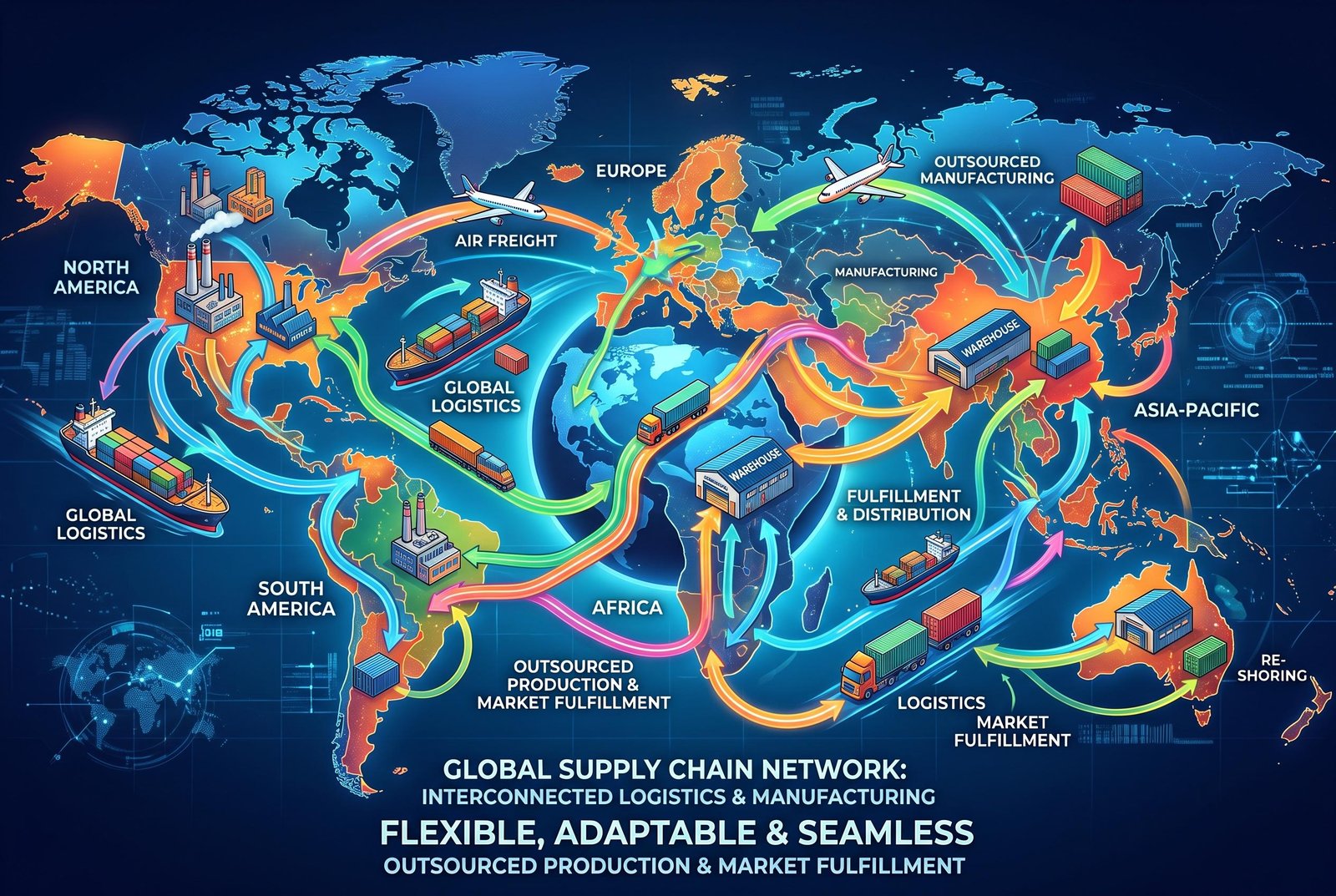
Nike’s push to redesign its supply chain is as much about optionality as it is about efficiency. The sportswear group wants to rely more heavily on manufacturing and logistics partners, while shifting more sourcing closer to its North American and Europe, Middle East and Africa markets, in a move executives say should make the business “more flexible, more responsive and more efficient”, according to Bloomberg’s reporting of remarks by chief operating officer Venky Alagirisamy...
Continue Reading This Article
Enjoy this article as well as all of our content, including reports, news, tips and more.
By registering or signing into your SRM Today account, you agree to SRM Today's Terms of Use and consent to the processing of your personal information as described in our Privacy Policy.
.
That ambition matters because Nike is not simply changing where goods are made and stored. It is trying to alter the balance between owned assets and outsourced capacity in a network that has, for more than 50 years, combined contract manufacturing with a substantial footprint of company-run and leased fulfilment operations. According to Supply Chain Brain, the company is now planning to move away from owning a large share of that distribution system and to lean more on partnerships instead.
The appeal is obvious. Less capital tied up in buildings, equipment and fixed infrastructure can give a company greater room to manoeuvre, particularly when demand is uneven. But ownership is not the same as flexibility. A network run by third parties can still leave a brand committed to minimum volumes, long-term contracts or charges for capacity it does not use. In that sense, shifting activity outside the company can reduce balance-sheet intensity without necessarily making the operation easier to change.
The real test, therefore, is how much Nike can alter capacity, at what cost, and on what notice. The reporting available so far does not disclose the contractual terms that would determine whether the new model genuinely lets the company scale up, scale down or redirect flows quickly. For supply chain executives, that distinction is crucial: a lighter asset base may be desirable, but it does not automatically translate into operational agility.
Nearshoring could strengthen the case for change if it gives Nike more time to commit to production. Moving some sourcing closer to the end market can shorten transport routes and reduce the amount of time products spend in transit, which in turn may allow the company to wait longer before locking in orders. That can be especially valuable in categories where demand shifts quickly and the cost of excess stock is high.
Yet geography alone does not solve the problem. A factory closer to consumers may still depend on imported materials, have limited spare capacity or require minimum order quantities that constrain late-stage adjustments. Shorter shipping times cannot erase those bottlenecks. The key question is whether Nike can make decisions later in the cycle without missing delivery windows. If it can, nearshore sourcing may become a genuine source of flexibility rather than simply a change in map position.
Nike’s leaders appear to view the shift as part of a wider effort to streamline the business and improve performance in a tougher retail environment. Supply Chain Brain reported that the company is also consolidating regions and cutting headcount as part of the overhaul, while CEO Elliott Hill has acknowledged the scale of the challenge. The same report said Nike wants to move faster in product development and deepen its ties with partners, particularly in running and basketball, where consumer expectations remain especially demanding.
That broader restructuring suggests Nike is trying to make its organisation easier to steer as well as its logistics network. But the success of the strategy will not be judged by rhetoric about responsiveness. It will depend on whether the company can change sourcing and fulfilment decisions quickly enough to protect margin, service levels and inventory discipline when demand diverges from plan.
Owning less of the supply chain may help. Whether it delivers the promised freedom will depend on how much flexibility Nike has actually bought.
Source: Noah Wire Services