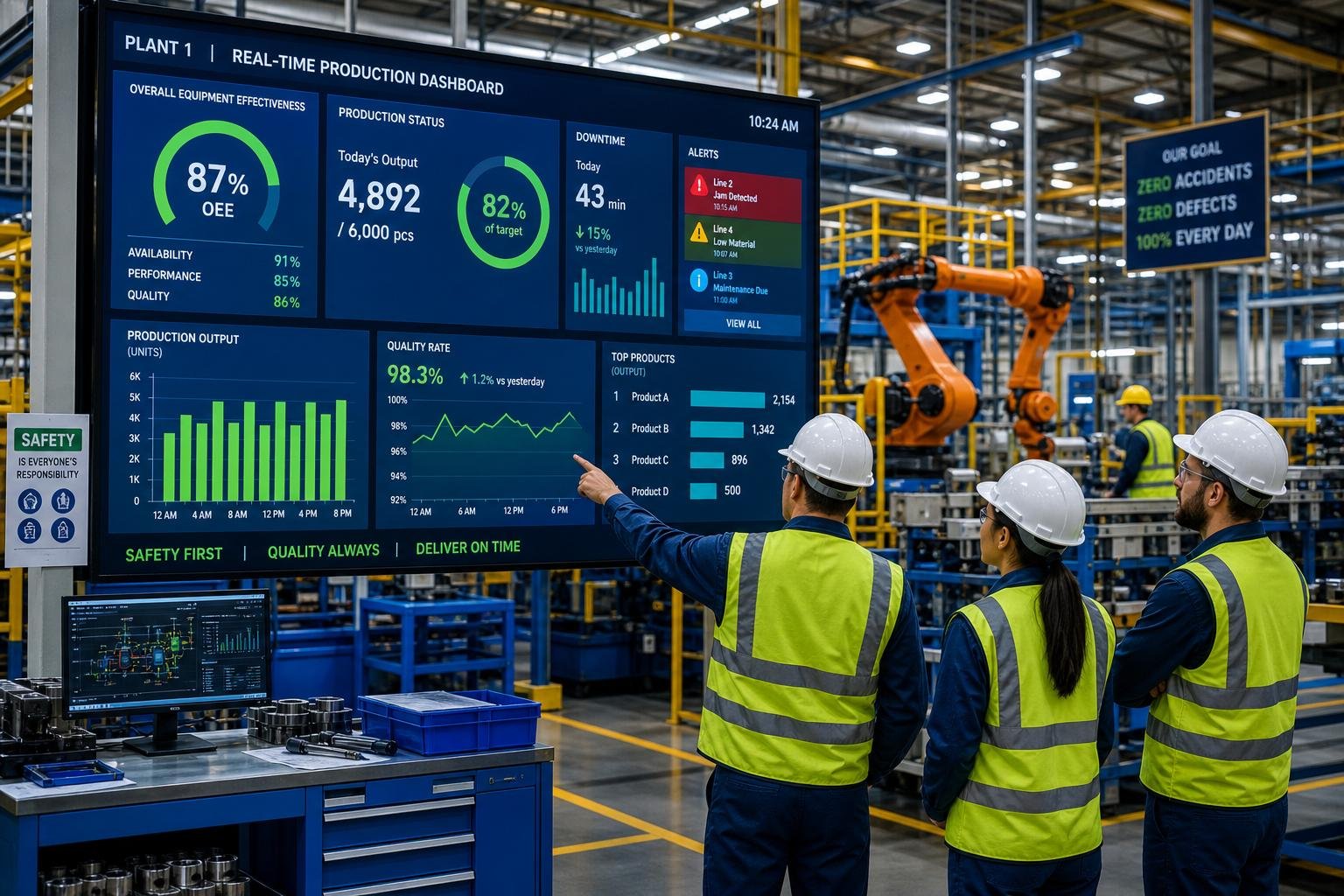
Lean manufacturers that have already put Dynamics 365 Finance and Supply Chain Management in place are often still wrestling with the same old problem: not the philosophy, but the information flow. The biggest drag on continuous improvement is frequently the time it takes to gather, clean and connect the data needed to spot where processes are failing and why.
That is where Microsoft Fabric can add a further layer of value. By using a lakehouse to bring together ERP records wit...
Continue Reading This Article
Enjoy this article as well as all of our content, including reports, news, tips and more.
By registering or signing into your SRM Today account, you agree to SRM Today's Terms of Use and consent to the processing of your personal information as described in our Privacy Policy.
h shop floor signals, quality data and other operational feeds, manufacturers can create a more complete picture of what is happening across the business. The result is a cleaner data foundation for acting on lean principles in real time, rather than relying on delayed reports or disconnected systems.
The appeal is not simply technical. In a lean environment, data matters most when it helps protect the customer experience. If an operator is absent, a hot order suddenly needs immediate attention or a quality issue threatens a shipment, managers need enough context to respond before the problem reaches the customer. With a Fabric lakehouse extending transactional ERP data with live operational information, the definition of value becomes tied to what is happening now, not just what happened yesterday.
Microsoft’s own reference material on Fabric’s supply chain architecture points in the same direction. It describes how real-time intelligence can combine ERP inputs with logistics feeds and vendor networks, using services such as Eventstream, Data Factory, Eventhouse and Power BI to support faster decisions and predictive analysis. In practice, that kind of connected setup is designed to reduce silos and make it easier to act on exceptions before they ripple through production and fulfilment.
The same logic applies beyond the factory floor. Microsoft has also been extending Fabric connectivity across its wider Dynamics 365 stack, including sales and performance analytics, so operational and financial data can be analysed together rather than in isolation. For manufacturers, that matters because lean performance is rarely confined to one department. Order intake, planning, production, warehousing and delivery all shape the final outcome, and each stage can introduce delay, waste or rework.
Mapping the full value stream therefore remains essential. From the moment an order is taken to the point it reaches the customer, there are multiple opportunities for interruption, and most plants and warehouses already know how often those disruptions occur. A Fabric-based lakehouse does not remove the complexity of lean manufacturing, but it can make that complexity visible enough to manage it properly.
Source: Noah Wire Services