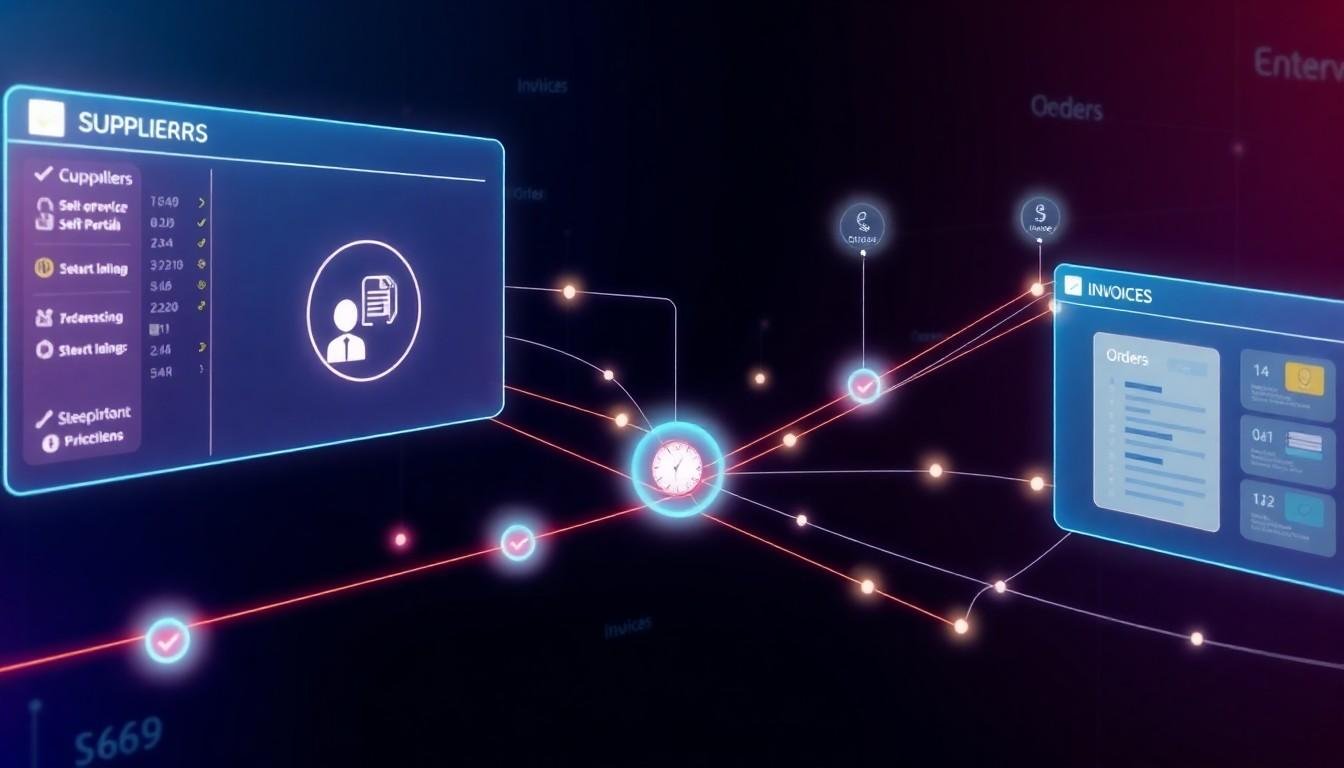
For procurement teams, the bottleneck is often not negotiation or analysis but administration: forwarding purchase orders, chasing confirmations, updating supplier records and relaying questions that vendors could answer themselves. Microsoft Dynamics 365 Supply Chain Management already includes vendor collaboration tools designed to cut out that middle layer, giving suppliers a controlled way to confirm orders, respond to requests for quotation, submit invoices and maintain their own...
Continue Reading This Article
Enjoy this article as well as all of our content, including reports, news, tips and more.
By registering or signing into your SRM Today account, you agree to SRM Today's Terms of Use and consent to the processing of your personal information as described in our Privacy Policy.
information.
Microsoft’s documentation shows that the system is built around dedicated workspaces for purchase order confirmation, vendor bidding, vendor information and invoicing. In practice, that means suppliers can monitor orders, react to RFQs, update master data and manage invoices without relying on procurement staff to act as a messenger. Microsoft also says suppliers can be enabled through the collaboration activation setting, with vendors set either to active status where purchase orders are not auto-confirmed or active status where purchase orders are auto-confirmed.
That distinction matters because it lets companies decide how much control to retain. According to Microsoft’s guidance, purchase order confirmations can be routed through an approval workflow before access is granted, and invitations must be sent to the correct primary contact using the right portal URL for the environment. The result is a structured onboarding process rather than an informal handover of access.
Security remains central to the model. Microsoft’s supplier engagement guidance says vendor collaboration can be configured so that external users only see the data they are meant to see, including whether they can view pricing information. Access is role-based, and vendor users are limited to the areas of the portal relevant to their work. That controlled approach is designed to address one of the main objections to supplier self-service: the fear that opening the ERP to outsiders means losing visibility or control.
The wider case for automation is also getting stronger. McKinsey has found that spend managed per procurement employee is now about 50% higher than five years ago, while AI-enabled copilots and automation tools can reduce time spent on routine procurement tasks by 25% to 40%. Against that backdrop, vendor self-service looks less like a convenience feature and more like a practical way to recover capacity without adding headcount.
Microsoft’s newer Supplier Engagement preview, announced in August, points in the same direction. The company said the portal is intended to help sourcing and procurement teams onboard suppliers faster, collaborate across global operations, respond to disruptions and manage rising compliance demands. It supports supplier registration, RFQ responses, purchase order review and confirmation, proposed changes to quantities or delivery dates, invoice submission, category requests, consignment inventory tracking, and maintenance of contact details, certifications and organisational data.
The operational benefit is straightforward. Instead of staff repeatedly checking inboxes and copying information between systems, vendors can see the status of their own orders, provide updates directly and keep records current themselves. That reduces the chance of missed confirmations, stale contact details and invoicing errors, while freeing internal teams to spend more time on sourcing, risk and supplier performance.
For organisations already running Dynamics 365, the feature is not a major rebuild. Microsoft’s materials describe it as a configuration-led capability that can be enabled vendor by vendor, with workflows and batch jobs used to govern confirmation and collaboration. For businesses still depending on email threads and manual follow-up, it offers a more disciplined way to work with suppliers, and one that is already embedded in the ERP rather than bolted on afterwards.
Source: Noah Wire Services