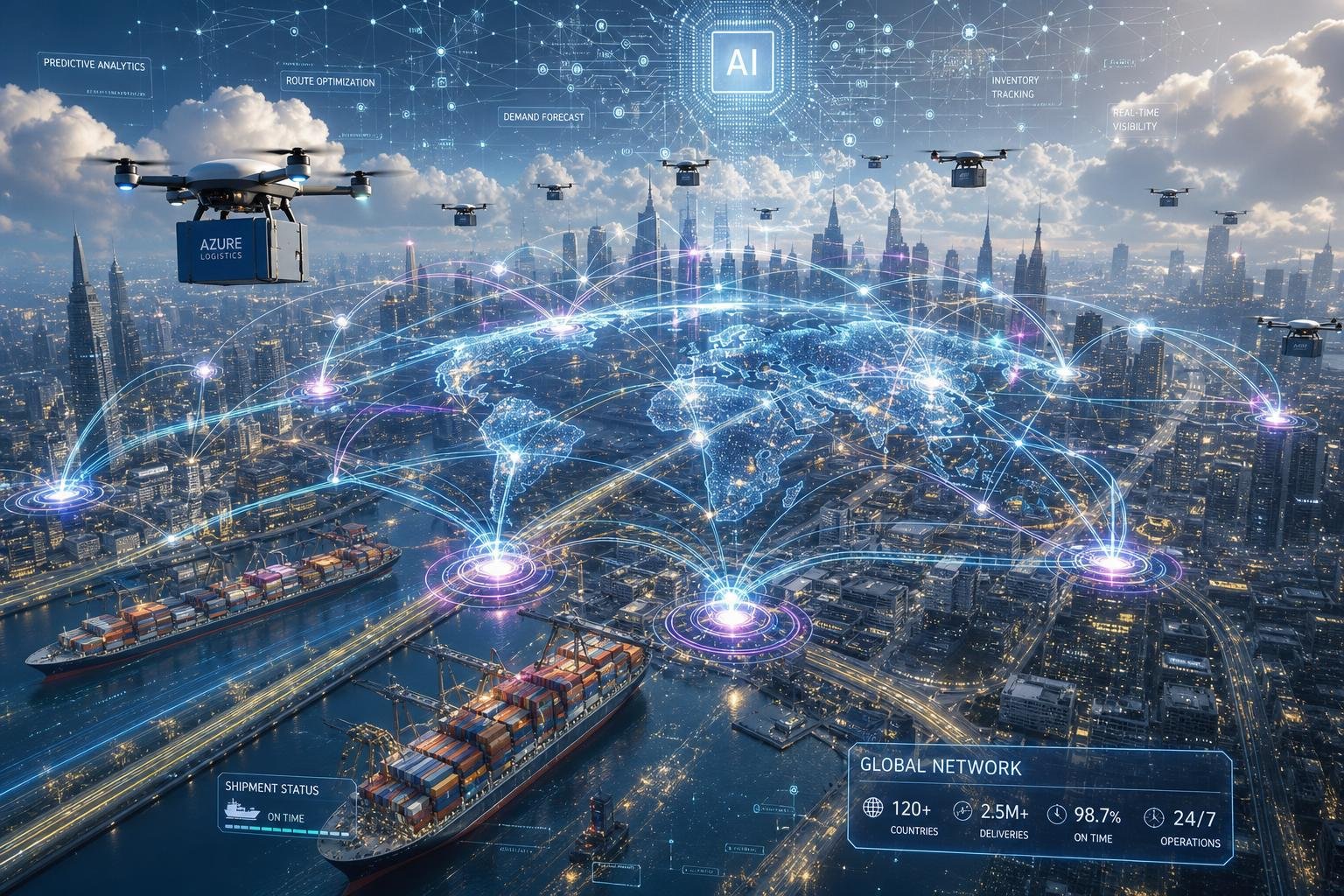
EPG is deepening its partnership with Microsoft in a bid to build a new generation of AI-led supply chain software, with its EPG AURA environment set to run globally on Microsoft Azure.
The move gives the German logistics software group a second cloud deployment route alongside its own EPX hosting, while also signalling a broader push to position itself among the early movers in AI-native supply chain execution. According to EPG, the aim is to combine its logistics software bac...
Continue Reading This Article
Enjoy this article as well as all of our content, including reports, news, tips and more.
By registering or signing into your SRM Today account, you agree to SRM Today's Terms of Use and consent to the processing of your personal information as described in our Privacy Policy.
kground, built over more than 35 years, with Microsoft’s cloud scale and platform reach.
At the centre of the collaboration is EPG AURA, which the company describes as the technological base for a more adaptive and intelligent logistics stack. EPG says the system is designed to support faster roll-outs, scalable architectures and more flexible operating models for multinational customers managing complex supply chains.
The partnership also adds a standardised link to Microsoft Dynamics, including support for the Model Context Protocol, which EPG says should make it easier to connect enterprise resource planning systems with the EPG ONE suite. By reducing disconnected processes and improving data flow between systems, the company expects implementation projects to move more quickly.
Voice technology is another focus. EPG said its LYDIA Voice and Communicator products will be tied into Microsoft Dynamics environments, allowing warehouse tasks such as picking to be guided more directly through existing business systems. EPG says that should support productivity and cut errors in day-to-day operations.
The integration does not stop there. EPG AURA is also expected to slot into Microsoft 365, including Teams, so supply chain information can be brought into the tools staff already use. The company argues that this will make collaboration faster and improve decision-making across logistics networks.
Microsoft’s own work in supply chain AI offers a glimpse of why the tie-up may matter. In a research presentation, the company said its Intelligent Fulfillment Service has used machine learning, optimisation and generative AI to compress decision-making from days to minutes, while reducing workload for fulfilment teams. That example suggests the wider industry is moving towards systems that can not only process data, but also help teams act on it more quickly.
EPG has already been expanding its AI ambitions beyond this Microsoft deal. Industry reports said the company has also been developing logistics tools using NVIDIA infrastructure, while EPG’s own materials describe AURA as part of a shift towards a more agentic and resilient version of its supply chain execution suite.
For EPG, the Microsoft alliance is as much about global reach as technology. The company says both firms will work together on major international accounts, giving customers standardised architectures across regions and coordinated support. Peter Bollinger, EPG’s chief executive, said the collaboration goes beyond scale and availability and is intended to create a secure base for operational AI in logistics. Michael Locher-Tjoa, who leads Microsoft’s SME business in the DACH region, said EPG is among the companies that are not merely adopting AI, but shaping how it is applied in logistics.
Source: Noah Wire Services