Defence procurement is being reshaped by a quieter but consequential shift: buyers are no longer judging equipment purely on performance at the point of purchase, but on how well it can stay available, support itself and remain affordable over years of service.
That change has accelerated as armies and navies absorb lessons from the wars in Ukraine and the Middle East, where stockpiles have been depleted, maintenance burdens have become more visible and the cost of keeping syst...
Continue Reading This Article
Enjoy this article as well as all of our content, including reports, news, tips and more.
By registering or signing into your SRM Today account, you agree to SRM Today's Terms of Use and consent to the processing of your personal information as described in our Privacy Policy.
ems operational has mattered as much as the price of acquiring them. As a result, sustainment is moving from a back-office concern to a central test of value.
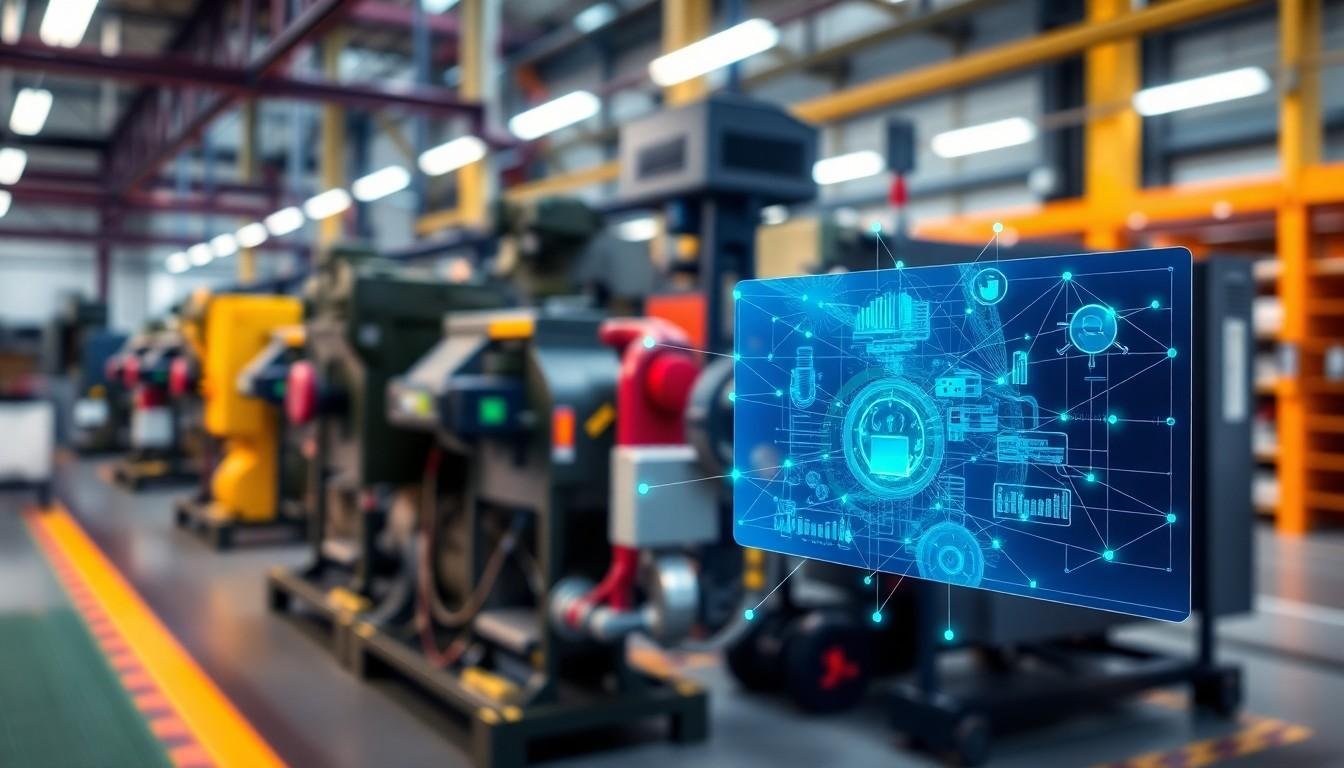
Suppliers are responding by putting artificial intelligence at the heart of their support offers. Predictive maintenance, digital twins and more intelligent logistics planning are increasingly being used to forecast failures, recommend interventions and reduce unplanned downtime. In practice, that means procurement authorities can compare not just the specifications of a platform, but also the quality of the data tools and maintenance systems wrapped around it.
Peaxy, which markets AI-driven readiness software for defence customers, says its Lifecycle Intelligence platform brings together information from design, testing, operations and maintenance to build digital twins and predict faults before they become operational problems. The company says the system has been used in U.S. Navy submarine environments, where availability and long-term sustainability are critical.
TensorBlue, which works across aerospace and defence, makes a similar case. Its platform combines live telemetry with digital-twin modelling to estimate remaining component life and fine-tune maintenance schedules, aiming to avoid both excessive servicing and dangerous under-maintenance.
The logistics side is changing too. According to a June report by Intelligent Gov Tech, Amentum won a US$77 million contract to provide AI-enabled logistics support in the Indo-Pacific for Pentagon and federal customers, with an emphasis on demand forecasting, catalogue management and supply-chain monitoring in sensitive operating environments. In another sign of the trend, Air Space Intelligence said the U.S. Defense Innovation Unit had awarded it a prototype contract for an AI-enabled Joint Sustainment Decision Tool designed to help commanders weigh disrupted supply lines, attrition and scarce resources.
Analysts and researchers have argued for some time that AI and digital twins could make military logistics more responsive and more efficient. What is changing now is that the concept is moving from pilot projects and papers into procurement decisions. In that environment, sustainment is no longer merely a promise attached to a platform; it is becoming one of the main ways in which defence buyers judge whether a system is truly fit for service.
Source: Noah Wire Services