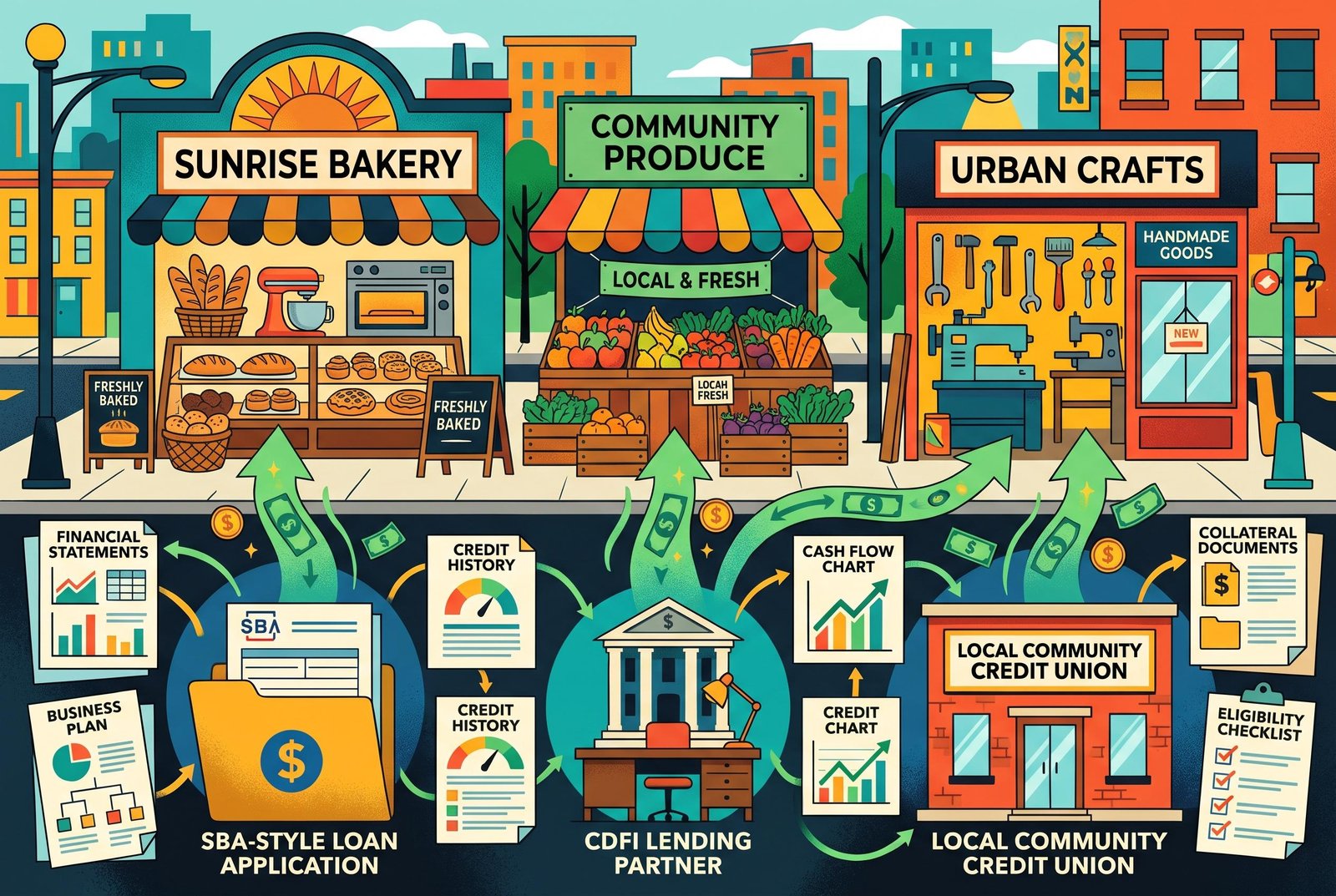
Financing marketed to minority-owned businesses is not a single loan category. It includes specialist lenders and programmes aimed at widening access to capital, as well as mainstream small-business loans available to any company that meets the lender’s requirements. In every case, approval depends on the business’s circumstances and ability to repay; a programme’s focus does not guarantee funding.
The US Small Business Administration’s 7(a) programme is its principal b...
Continue Reading This Article
Enjoy this article as well as all of our content, including reports, news, tips and more.
By registering or signing into your SRM Today account, you agree to SRM Today's Terms of Use and consent to the processing of your personal information as described in our Privacy Policy.
usiness-loan scheme, but the agency generally does not lend directly. Instead, it guarantees loans made by participating lenders, which assess applications and set documentation requirements. The programme can support working capital, property, equipment, supplies, certain debt refinancing and changes of ownership, with loans of up to $5 million. Applicants must meet SBA and lender criteria, including demonstrating creditworthiness and a reasonable ability to repay.
The 504 programme is another route for eligible businesses seeking finance for major fixed assets. Delivered through Certified Development Companies alongside a senior lender, it can fund property purchases, construction or renovation, and qualifying long-term machinery and equipment. The SBA lists a maximum loan amount of $5.5 million. Unlike 7(a), the programme is not intended to finance working capital or inventory.
For businesses seeking smaller sums, SBA Microloans are made through non-profit, community-based intermediaries. The maximum is $50,000, although the SBA puts the average loan at about $13,000. Funds may be used for costs such as working capital, inventory, supplies and equipment, but not to repay existing debt or purchase real estate. Intermediaries make the credit decisions and may also provide management or technical assistance.
Community Development Financial Institutions can be another option. The US Treasury’s CDFI Fund certifies mission-driven financial institutions, including banks, credit unions and loan funds, that work to serve low-income communities. The Fund itself does not lend to businesses; owners must approach individual CDFIs, whose products, service areas and lending standards differ. Its online directories can help identify organisations to contact.
Minority Depository Institutions are also worth exploring. The Federal Deposit Insurance Corporation publishes a list and locator for institutions that meet its ownership or community-service criteria. Being listed does not mean a bank offers a particular business loan, or that an applicant will qualify, so owners should check directly with each institution.
State and local governments may run loan funds or guarantee schemes for small and disadvantaged businesses. The SBA’s 8(a) Business Development programme is not a loan, but it helps eligible disadvantaged businesses compete for federal contracts; winning work may help a company make its case to lenders.
For most applications, lenders will examine revenue and cash flow, time in business, personal and business credit, and, particularly for larger or secured borrowing, collateral and guarantees. They will also want a clear account of how the money will be used and repaid. CDFIs and microloan providers may place greater weight on a business plan, the owner’s experience and community impact, and can offer technical support alongside financing.
The SBA’s 7(a) and 504 programmes are among the usual choices for larger borrowing, but they have distinct purposes and eligibility rules. Lenders generally expect a solid operating record, reliable income sufficient to cover repayments and, depending on the loan, good credit and collateral.
Owners who need help preparing can seek free or low-cost counselling through Small Business Development Centres and SCORE mentors. The SBA’s local assistance directory also points to district offices and other support partners. These organisations may help with business plans, financial projections and loan paperwork, but their advice cannot ensure a lender will approve an application.
Some foundations, companies and local authorities offer grants, but such funding is limited and competitive. Business owners should be wary of anyone claiming a fee can guarantee a grant.
Source: Noah Wire Services