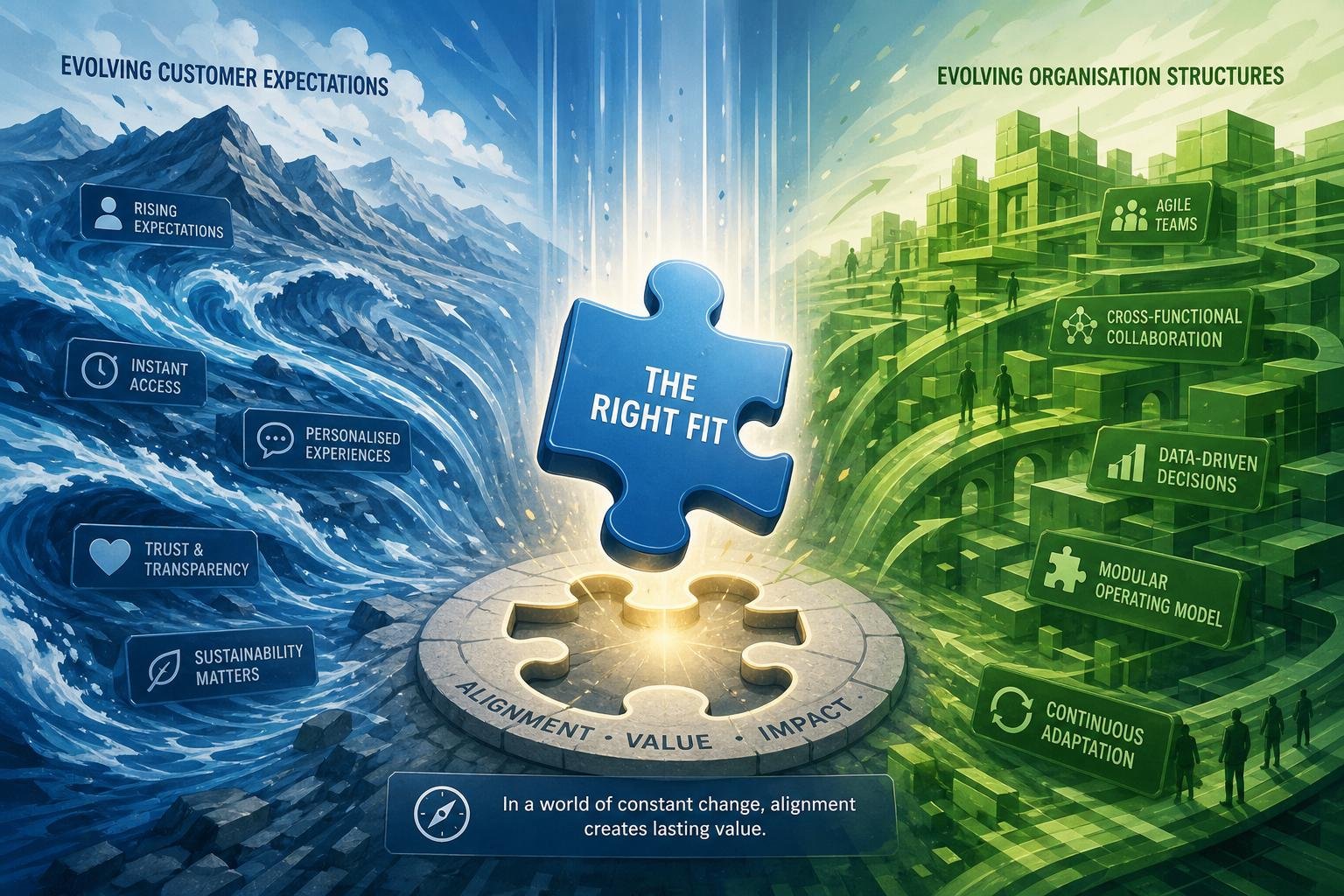
Contact centre technology buying has become far more complicated than it once was. As customer expectations rise and operating models shift, organisations are navigating a crowded market of platforms, specialist tools and emerging capabilities, with cloud contact centre suites increasingly assembled from native functions plus third-party integrations spanning AI, analytics, workforce management and security.
That abundance of choice is precisely what makes procurement so diffic...
Continue Reading This Article
Enjoy this article as well as all of our content, including reports, news, tips and more.
By registering or signing into your SRM Today account, you agree to SRM Today's Terms of Use and consent to the processing of your personal information as described in our Privacy Policy.
ult. For contact centre leaders and purchasing teams, the challenge is no longer finding technology, but establishing where to start and how to judge what is genuinely right for the business.
The strongest procurement programmes begin before any vendor is invited in. A common mistake, according to guidance from Matchboard and CX Foundation, is to rush straight to product comparisons in response to operational pressure, whether the pain point is customer experience, agent engagement, resilience or cost. Without a clear understanding of the underlying problem, organisations risk buying features rather than solving business issues.
That early stage also needs the right mix of people. Contact centre technology affects more than one function, so the buying committee should not be limited to procurement and IT. Frontline agents, team leaders, operations, compliance and other stakeholders all see the consequences of a new system in different ways, and several industry guides stress that end users are often brought in too late. Early involvement helps surface practical risks, workflow issues and adoption challenges, while also creating stronger internal support for the final decision.
Once the need is defined, the next question is structural: whether to choose a broad platform or assemble a stack of specialist products. A single-vendor approach can simplify governance, reduce the number of contracts to manage and make data integration easier. But it can also create dependency on one supplier’s roadmap and deepen lock-in if the platform falls short in a critical area.
A multi-vendor strategy offers more flexibility and can allow organisations to pick the strongest tools for each requirement. The downside is added complexity, particularly around integration, oversight and long-term support. Several procurement guides recommend that the choice be shaped by maturity, risk appetite, regulatory demands and strategic direction rather than by convenience or market momentum.
AI has made this decision even harder. Gartner has said that 85% of customer service leaders are already piloting or exploring generative AI, and vendors across CCaaS, CRM and point solutions are all pushing similar claims. That means buyers now have to judge not only whether a product has AI, but whether the capability is credible, secure and mature enough to deliver in production.
Customer references remain useful, but they need context. A solution that works well at one company may not suit another if the scale, operating model or internal capability differs sharply. Industry advice increasingly favours combining references with demonstrations, peer insight and, where appropriate, independent market advice to test vendor claims and reduce the risk of a poor fit.
The wider lesson is that contact centre procurement is really about roadmap design. Most organisations are not selecting a single tool; they are deciding how to sequence investment, where to modernise first and how to balance present-day resilience against future flexibility. Clear definitions, broad stakeholder input and disciplined evaluation can speed up alignment and improve confidence in the final choice.
The CCMA says its Solutions Spotlight Day is intended to help members make that start in a neutral setting. The event brings together sessions on different areas of contact centre technology, with live demonstrations and the chance to ask questions before a purchasing decision is made. For organisations trying to make sense of a crowded market, that kind of early-stage guidance may be as valuable as the technology itself.
Source: Noah Wire Services