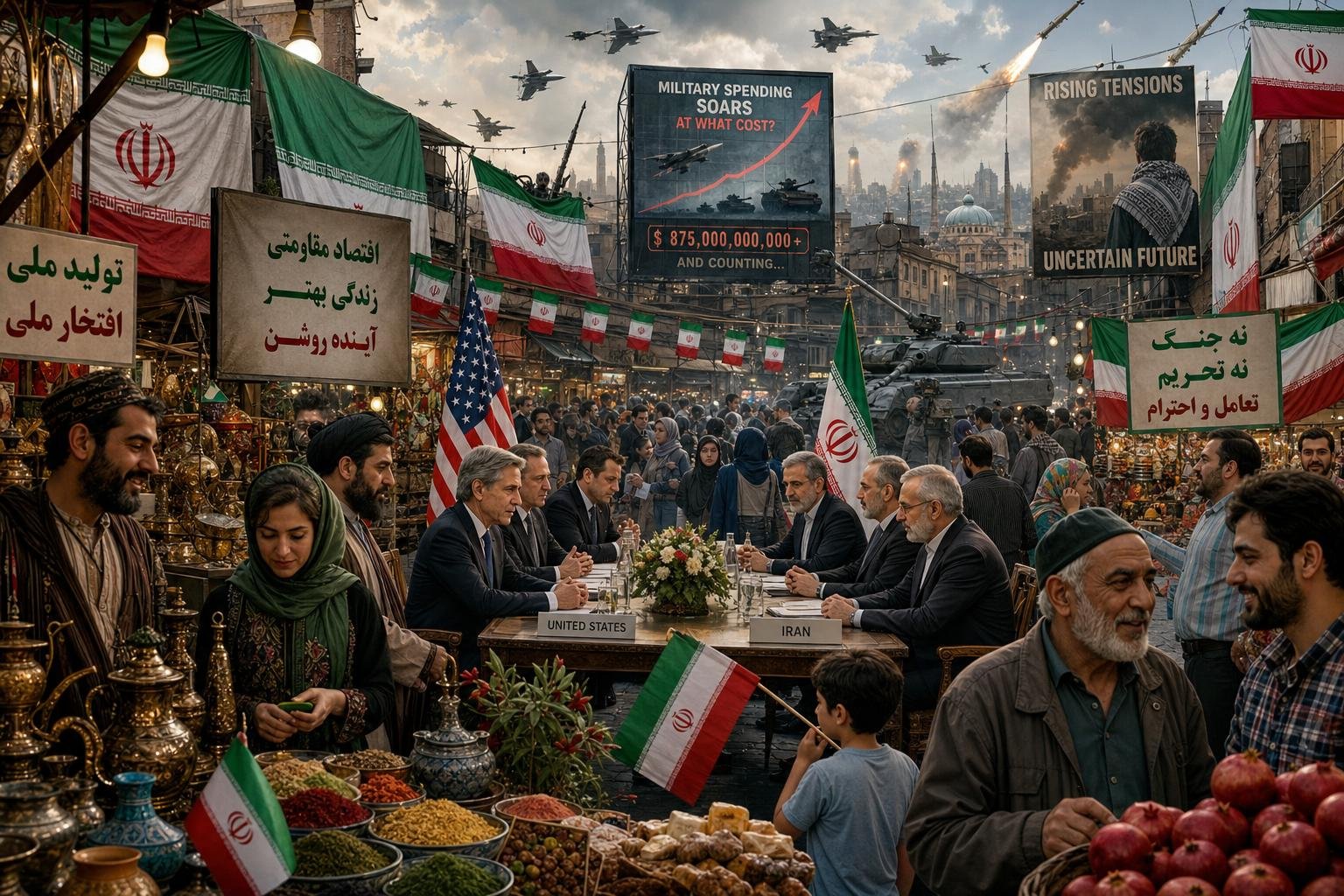
Iran’s top negotiator has warned that Washington must accept Tehran’s latest peace proposal or risk prolonging a conflict that has already driven up oil prices, strained regional security and pushed the Pentagon’s bill for the war to nearly $29 billion.
Mohammad Bagher Ghalibaf, the speaker of Iran’s parliament, said on Tuesday that there was “no alternative” to recognising what he called the rights of the Iranian people under a 14-point plan. He argued that any oth...
Continue Reading This Article
Enjoy this article as well as all of our content, including reports, news, tips and more.
By registering or signing into your SRM Today account, you agree to SRM Today's Terms of Use and consent to the processing of your personal information as described in our Privacy Policy.
er route would end in deadlock, while warning that the longer talks dragged on, the more American taxpayers would have to pay.
The remarks came after US President Donald Trump said Iran’s response to an earlier American proposal was “totally unacceptable” and suggested the ceasefire that has held for more than a month was close to breaking down. Trump said the United States would secure a “complete victory” over Iran, although he also signalled that he planned to discuss the issue with Chinese President Xi Jinping.
According to the Pentagon, the conflict’s cost has now risen by about $4 billion from an earlier estimate, reflecting higher repair and replacement expenses and the cost of sustaining US forces in the region. Officials said the latest figure does not yet include damage to military facilities hit in Iranian attacks, underlining how the financial burden continues to grow.
Tehran’s latest proposal was sent in reply to an American draft whose contents remain only partly known. Media reports have said the US side outlined a one-page memorandum intended to stop the fighting and set out a framework for negotiations over Iran’s nuclear programme. Iran’s foreign ministry said its counter-offer called for ending hostilities across all fronts, including Lebanon, lifting the US naval blockade on Iranian ports and releasing frozen Iranian assets.
The diplomatic exchange has done little to calm fears of escalation. Iranian state media said the Revolutionary Guards staged exercises in Tehran aimed at strengthening readiness against what they called the American-Zionist enemy. A defence ministry spokesman said Washington should expect military setbacks if it refused Iran’s demands in talks.
The uncertainty is being felt acutely inside Iran. One Tehran resident told reporters the public was living “day to day”, with little sense of what the coming months might bring.
The conflict has also worsened tensions in the Gulf, where Iran is restricting maritime traffic in the Strait of Hormuz and preparing a payment system to charge ships passing through. That has rattled energy markets and prompted warnings from regional officials. Qatar’s foreign minister said Iran should not use the waterway as a weapon to pressure Gulf states, while Sanam Vakil of Chatham House said Tehran believed it could outlast Trump and was trying to extract concessions from what it sees as a stronger hand.
Fighting has also continued on the Lebanon front despite a ceasefire agreement. Lebanon’s health ministry said Israeli strikes in the south killed 13 people on Tuesday, including a soldier, a child and two rescue workers. Hezbollah leader Naim Qassem said his movement would not surrender its arms and vowed not to abandon the battlefield, even if negotiations between Lebanon and Israel move ahead this week.
For now, both Washington and Tehran appear to be gambling that the other side will blink first. What began more than two months ago with US-Israeli strikes on Iran has widened into a conflict with political, military and economic consequences far beyond the region, and neither side seems ready to step back.
Source: Noah Wire Services