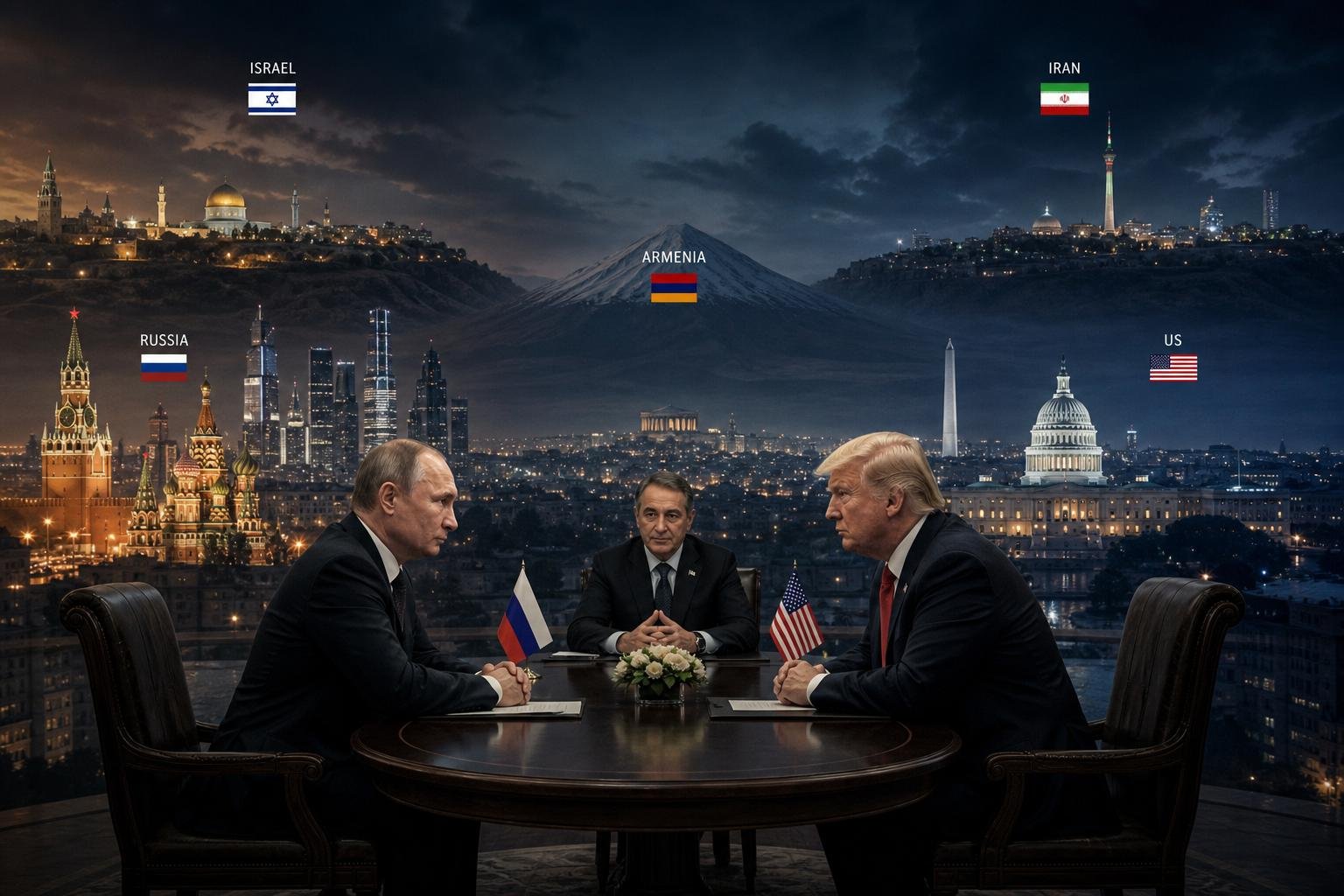
Turkey finds itself navigating two wars at once, both of them fought by major powers and both carrying direct consequences for Ankara’s security, diplomacy and economy. One is the Russian invasion of Ukraine, which has reshaped the Black Sea balance. The other is the confrontation involving the US, Israel and Iran, which threatens to destabilise Turkey’s southern neighbourhood.
That dual pressure helps explain why Ankara has chosen caution over alignment. Turkey is unusual ...
Continue Reading This Article
Enjoy this article as well as all of our content, including reports, news, tips and more.
By registering or signing into your SRM Today account, you agree to SRM Today's Terms of Use and consent to the processing of your personal information as described in our Privacy Policy.
among regional powers in that it can speak to Moscow, Kyiv, Washington and Tehran without breaking ties. Its geography gives it leverage: the Bosporus and Dardanelles form the only maritime passage between the Black Sea and the Mediterranean, making the Turkish Straits indispensable to trade and military movement. The Foreign Policy Research Institute and Turkey’s own foreign ministry both underline how that position gives Ankara outsized influence in Black Sea security.
In the Ukraine war, Turkey has condemned Russia’s invasion but refused to join Western sanctions. As a NATO member, it remains tied to the alliance’s security architecture, yet it has worked hard to avoid a direct rupture with Moscow. Ankara also used the 1936 Montreux Convention to close the straits to warships after the invasion, a step that constrained naval traffic and favoured Ukraine more than Russia. At the same time, Turkey tried to act as a broker, hosting early talks in Istanbul and later discussions in Antalya, while also supplying Kyiv with Bayraktar TB2 drones.
The Iran file is equally delicate. Turkish diplomatic sources, as reported by Turkiye Today, say Ankara has rejected taking sides and is focused on de-escalation, border security and the safety of Turkish nationals in the region. The government has described the strikes as breaches of international law and has urged a diplomatic settlement. The Washington Institute says this reflects a broader Turkish concern: even though Ankara has long opposed Iran’s nuclear ambitions, it has a strong interest in avoiding a direct Turkish-Iranian clash or an outright collapse of the Iranian state.
Recep Tayyip Erdogan has gone further in public language, calling the conflict senseless and warning against its spread into Iraq, Syria or Lebanon. That stance fits with Turkey’s wider anxiety about regional spillover, especially refugee flows and instability along its southern frontier. It also reflects Ankara’s unease with its western partners and its gradual tilt towards a more Eurasian foreign policy.
Energy is another reason for restraint. Turkey depends heavily on imported gas and oil, with Russia and Iran among its key suppliers. Any widening of conflict risks pushing up prices and deepening pressure on an already exposed economy. For Ankara, then, these are not distant wars. They are immediate tests of strategic balance, forcing Turkey to protect its interests while avoiding the kind of open commitment that could leave it trapped between rival powers.
Source: Noah Wire Services