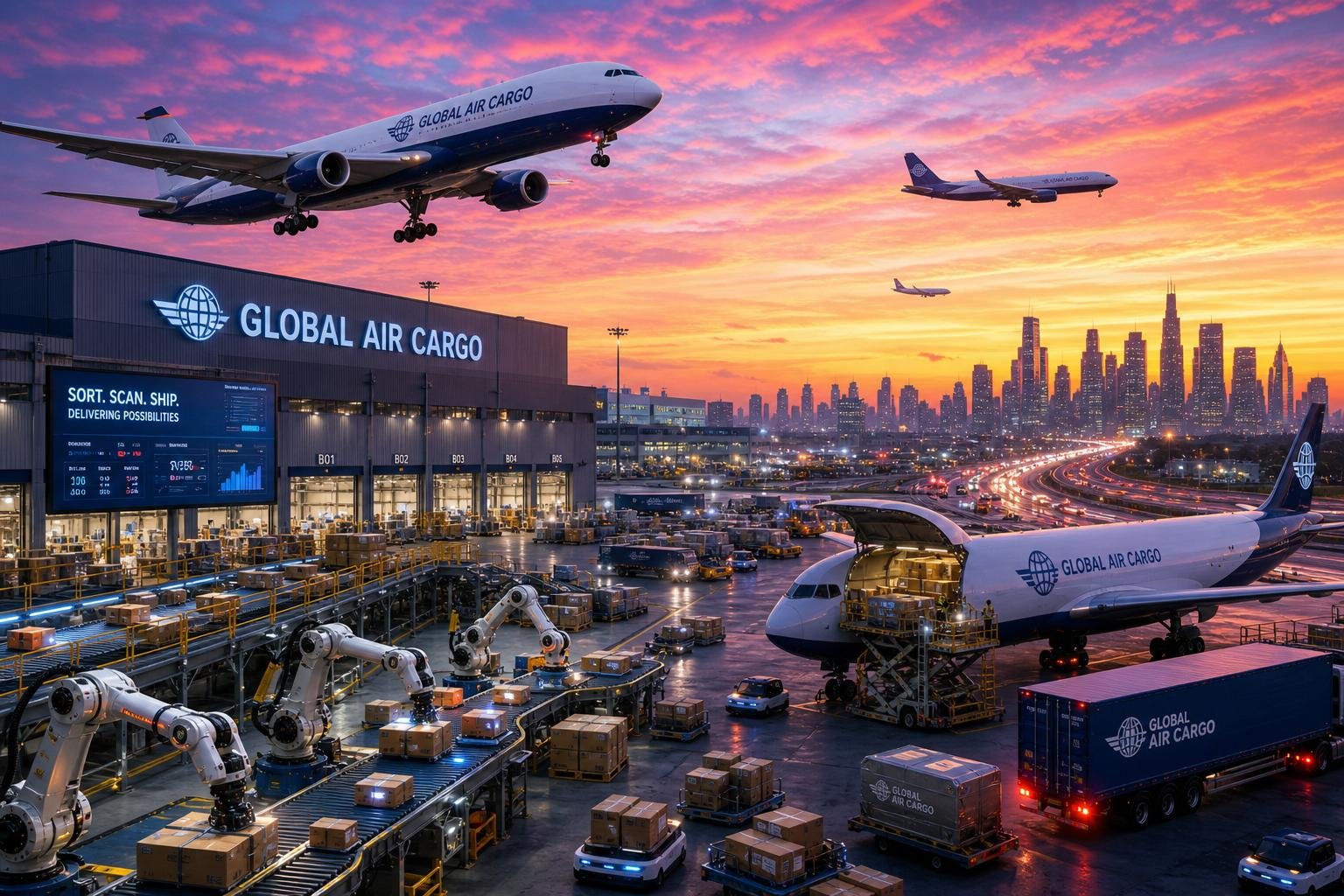
Rising e-commerce volumes, tighter pharmaceutical temperature controls, stock replenishment pressures and demand for high-tech components are keeping air freight on a firmer growth path, with industry forecasts pointing to further expansion through 2031. IMARC Group estimates the global air freight market will rise from $169.53 billion in 2026 to $225.26 billion by 2031, as supply chains continue to rely on fast, flexible transport for time-sensitive goods.
That shift is also c...
Continue Reading This Article
Enjoy this article as well as all of our content, including reports, news, tips and more.
By registering or signing into your SRM Today account, you agree to SRM Today's Terms of Use and consent to the processing of your personal information as described in our Privacy Policy.
hanging what moves by air. Industry commentary in 2026 suggests online retail is accounting for a much larger share of global cargo flows than it did only a few years ago, with some estimates placing e-commerce-related shipments at roughly a quarter to 30% of total air cargo volume in 2025. Other analysis puts the figure lower, at 18% of global international air cargo, but all of the reporting points in the same direction: direct-to-consumer traffic is reshaping routes, pricing and hub activity.
For freight forwarders, that transformation is making automated air cargo tracking less of a convenience than a necessity. Manual processes struggle to keep pace with the number of consignments, the speed of movement and the expectations of shippers who want constant visibility. Automated platforms pull in updates from airlines and forwarders, tracking everything from flight status and customs progress to route changes, disruptions and, in some cases, cargo conditions such as temperature and humidity.
The commercial case is straightforward. Better visibility allows operators to intervene earlier when delays emerge, reducing storage charges, missed connections and the cost of fixing avoidable errors. It also gives forwarders a clearer view of shipment risk, helping them to protect high-value or fragile cargo and to respond faster when weather, congestion or documentation problems threaten delivery.
Customer service is another pressure point. As cross-border online shopping and just-in-time manufacturing raise expectations, shippers increasingly want accurate, end-to-end updates rather than occasional status checks. Tracking systems that combine house and master airway bill data can give a fuller picture of where freight is and what happens next, even when one source of information is incomplete.
The broader market backdrop remains supportive, though growth may be more measured than in the recent period of post-pandemic turbulence. UPS Supply Chain Solutions has said global air freight demand remained resilient in 2025 and forecast modest growth of 2% to 4% in 2026. Stat Times, meanwhile, has described the sector as moving into a more stable phase after years of volatility, with a broader mix of time-critical, specialised and technology-linked cargo underpinning demand.
That matters because the shape of air freight itself is changing. Cargo is increasingly moving in smaller, faster, more frequent parcels rather than the bulk business-to-business consignments that once dominated international lanes. Industry observers say this is especially visible on Asia-to-Western consumer routes, where e-commerce giants and direct sellers have helped to reconfigure trade corridors and keep certain lanes under sustained capacity pressure.
There are also sustainability and cost implications. More frequent air shipments can intensify emissions scrutiny, while volatile fuel prices and trade tensions continue to complicate planning. In that environment, automated tracking is becoming part of a wider operational toolkit: not just a way to watch freight move, but a means of improving response times, tightening control and protecting margins in a market where speed now carries a premium.
Source: Noah Wire Services