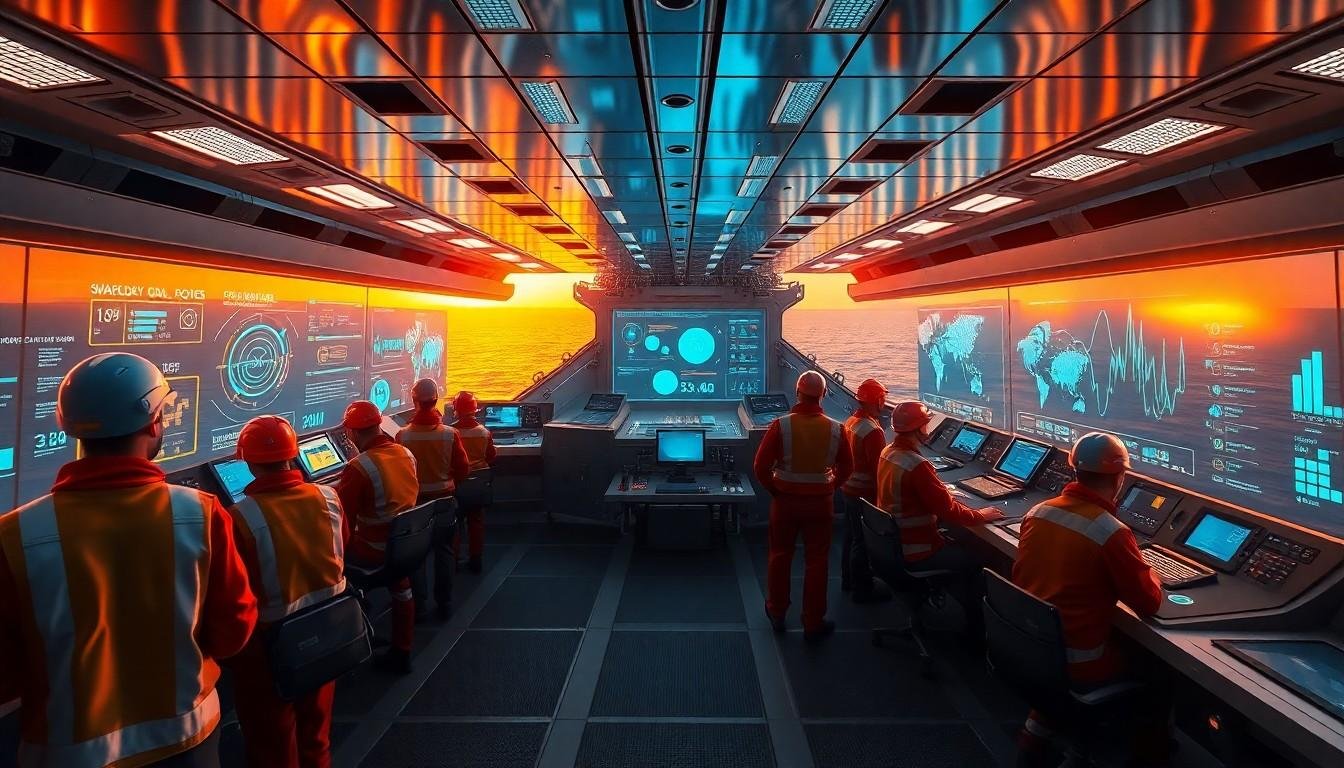
Bureau Veritas, CMA CGM and Shanghai Merchant Ship Design and Research Institute have launched a joint development project to explore how artificial intelligence and digital decision-support tools could be embedded on container ships without removing human control from the bridge.
Announced at SMM in Hamburg, the project is designed to develop an “assisted vessel” concept that could improve energy efficiency, safety and wider operational performance while easing pre...
Continue Reading This Article
Enjoy this article as well as all of our content, including reports, news, tips and more.
By registering or signing into your SRM Today account, you agree to SRM Today's Terms of Use and consent to the processing of your personal information as described in our Privacy Policy.
ssure on crews. The partners are framing the work as support for seafarers rather than substitution, with human oversight intended to remain central to ship operation.
According to the companies, CMA CGM will contribute the operating experience and shipowner perspective, helping to define real-world use cases and requirements. SDARI will focus on vessel design, smart systems engineering and technical integration, while Bureau Veritas will handle classification, safety assessment and the regulatory pathway.
The project will begin by identifying which onboard functions are best suited to assistance from digital tools and AI. It will then move on to a more detailed concept, including the division of responsibilities between crew and shore-based support, as well as a safety review under Bureau Veritas’s risk-based framework. The work is expected to end with technical specifications, an Approval in Principle application, indicative costs and a development roadmap.
Bureau Veritas said the project reflects the need to build decision-support technology within a human-centred and risk-based structure if it is to deliver meaningful gains in efficiency and safety. CMA CGM said crew involvement from the outset is essential to any successful technology upgrade. SDARI described the initiative as a useful model for applying the MASS Code during its experience-building phase.
The collaboration comes as the shipping industry continues to test where automation, AI and digitalisation can add value on board while avoiding the safety and operational risks of removing people from critical decision-making.
Source: Noah Wire Services