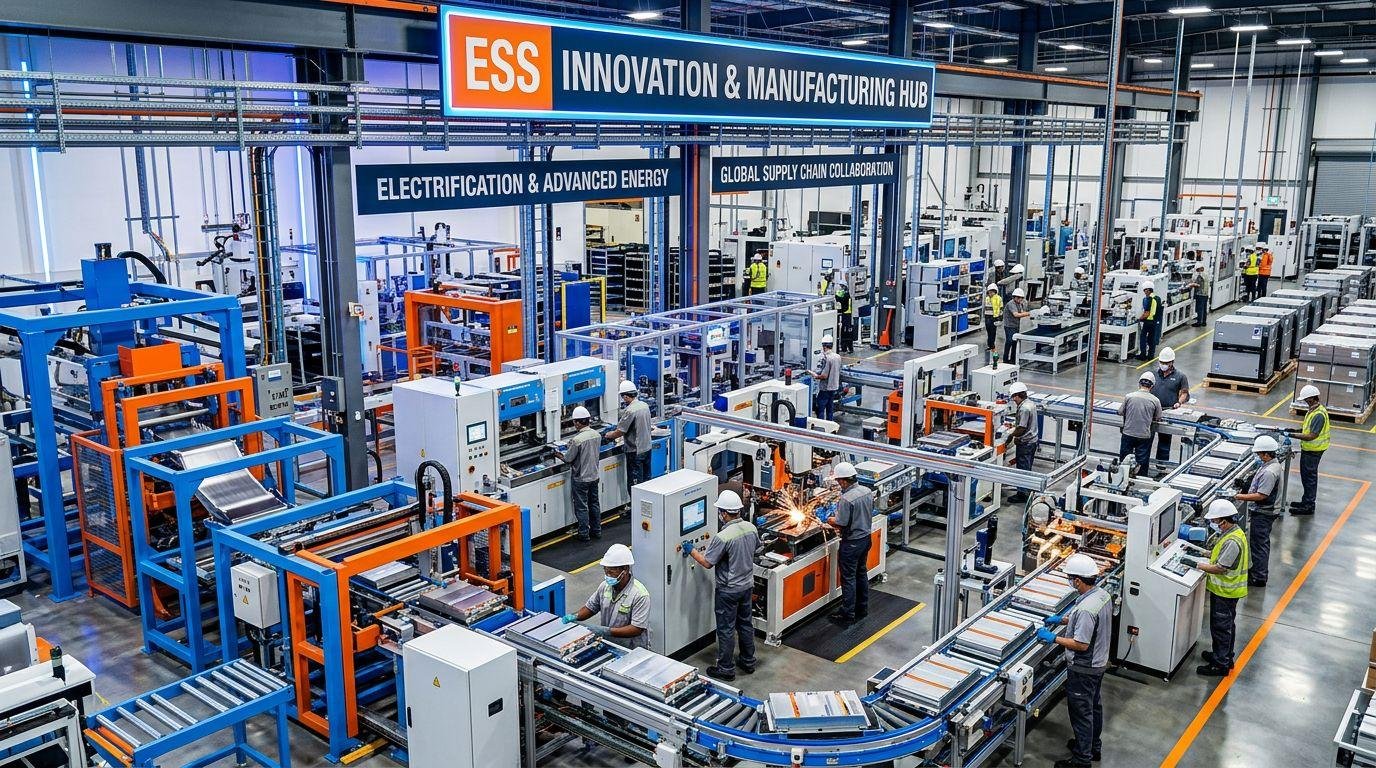
LG Energy Solution is overhauling its supplier network for energy storage system equipment after the collapse of one of its long-standing partners, shifting more work to existing vendors and widening its search for new equipment makers, according to people familiar with the matter.
The South Korean battery group has been leaning more heavily on SYSTEM R&D and HyVISION SYSTEM as it fills the gap left by Daejin Machinery, which had been a significant supplier of module and pa...
Continue Reading This Article
Enjoy this article as well as all of our content, including reports, news, tips and more.
By registering or signing into your SRM Today account, you agree to SRM Today's Terms of Use and consent to the processing of your personal information as described in our Privacy Policy.
ck assembly equipment, as well as degassing machines. Industry sources said LG Energy Solution is also in contact with major equipment makers that already supply SK On and Samsung SDI as part of a broader effort to diversify its supplier base.
The changes matter because an ESS is not built from cells alone. A complete system brings together battery cells, module and pack assembly, power conversion systems, energy management software, cooling and air-conditioning units, and fire-safety equipment. That means battery makers depend on a wider ecosystem of specialist suppliers to turn cells into a finished storage product.
Daejin Machinery had been closely tied to LG’s battery operations through LG Electronics’ Production Engineering Research Institute, or PRI, and also worked with SK Siltron in semiconductors. But the company ran into severe financial trouble last year amid disputes with subcontractors and overseas partners over unpaid construction and delivery bills. In the United States, a local contractor involved in the L-H Battery joint venture between LG Energy Solution and Honda sued for about $22.43 million in unpaid costs. In South Korea, subcontractors also reported losses after deliveries went unpaid.
Daejin Machinery was declared in final default in December last year, and a court approved the start of rehabilitation proceedings in March. It is now submitting a rehabilitation plan.
Its retreat has opened opportunities for other suppliers. SYSTEM R&D, another major partner of LG Electronics PRI, has taken over some of the ESS module equipment work previously handled by Daejin Machinery, according to people familiar with the company. A SYSTEM R&D official said the firm is manufacturing some of the volume that had been assigned to Daejin Machinery and is fitting it in alongside other orders. The company, officially known in English as SYSTEM R&D CO., LTD., has recently seen higher equipment demand and is understood to be running its factories at a relatively high rate.
HyVISION SYSTEM has also gained ground. It had already been working with Peopleworks, a company controlled by the founding family of GS Group, to supply battery module and pack assembly equipment for LG Energy Solution’s ESS business. Peopleworks has longstanding ties with LG Group affiliates and has been contracted by LG Energy Solution to make battery packs for vacuum cleaners as well as residential and industrial storage systems.
HyVISION SYSTEM is now working with Sebang Lithium Battery, a subsidiary of Sebang Battery, to build module production facilities for LG Energy Solution’s North American ESS operations. The equipment is being used to manufacture ESS battery modules in Ohio, according to the report. HyVISION SYSTEM describes itself as a supplier of secondary-battery equipment, automation systems and inspection tools.
LG Energy Solution and LG Electronics PRI are also casting the net more widely for other suppliers, not only for ESS module assembly equipment but also for production systems used in electric vehicle batteries. Industry sources said the group had previously tended to rely on PRI to manage projects with a single approved supplier, but competition among equipment makers has intensified, making price and flexibility more important in procurement decisions.
The company has also been trying to strengthen relations with suppliers this year. In May, LG Energy Solution signed a Win-Win Growth Partnership Agreement with vendors, pledging broader support for financing, technology protection, recruitment and business stability. It also expanded low-interest lending and credit guarantees and introduced a technology escrow system, under which a supplier’s core know-how can be used under pre-agreed conditions even if the company later fails or closes.
Source: Noah Wire Services