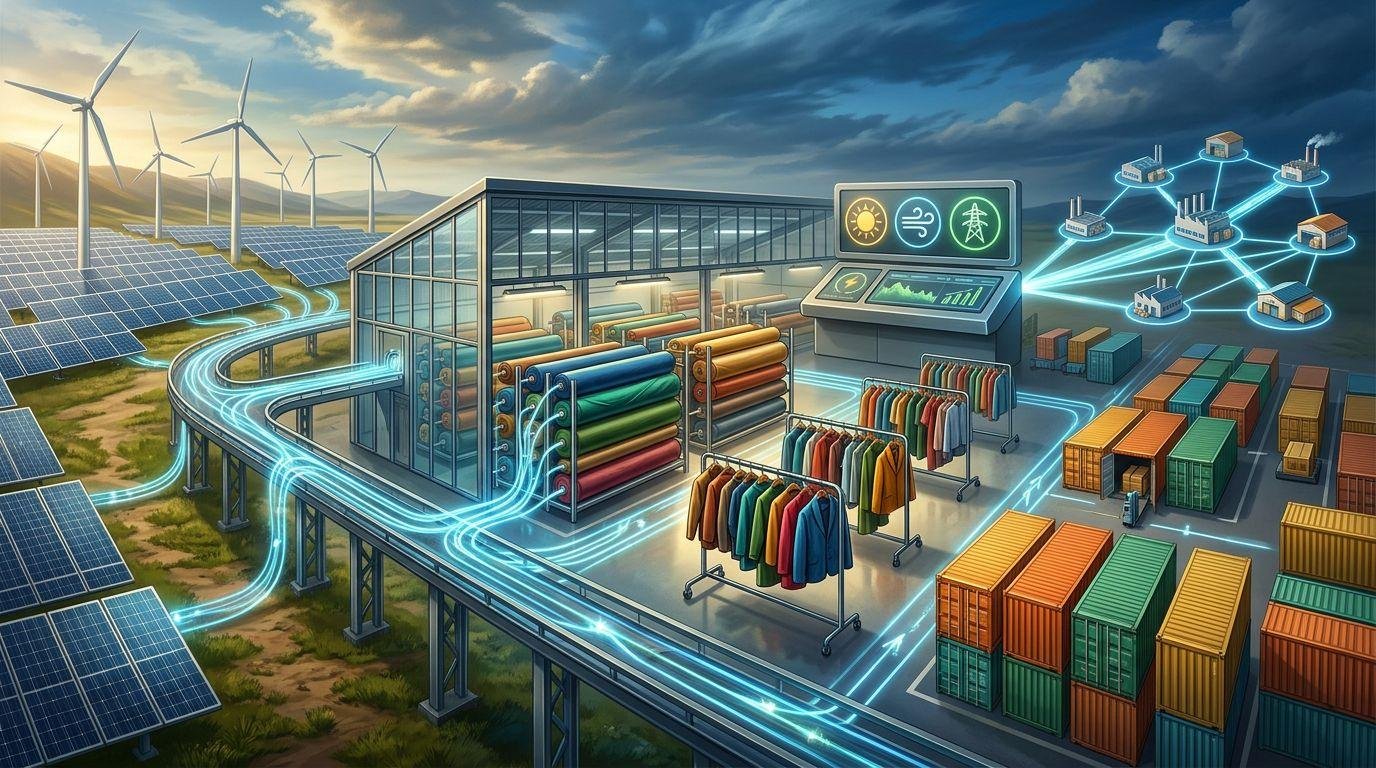
Levi Strauss and Marks & Spencer have joined forces with Schneider Electric’s SE Advisory Services to launch a new initiative aimed at speeding the use of renewable electricity across fashion supply chains, in a move the companies say is designed to turn broad climate pledges into practical action.
Unveiled on 22 September during New York Climate Week, the Fashion Renewable Collaborative is intended to give suppliers, from garment factories to fabric mills and dye houses,...
Continue Reading This Article
Enjoy this article as well as all of our content, including reports, news, tips and more.
By registering or signing into your SRM Today account, you agree to SRM Today's Terms of Use and consent to the processing of your personal information as described in our Privacy Policy.
a clearer route into clean power adoption. The companies say the programme offers a structured framework, online learning and implementation support to help suppliers understand the business case for renewable electricity and to make it easier to put solutions in place.
The initiative comes at a time when major clothing brands are under pressure to translate emissions targets into progress at factory level. The fashion sector’s climate impact has been widely documented: according to World Economic Forum analysis cited by the companies, the industry and its supply chain rank among the world’s biggest polluters, while other research has estimated that fashion produces close to a tenth of global greenhouse gas emissions each year. The Ellen MacArthur Foundation has also warned that, if current trends continue, fashion could consume more than a quarter of the remaining carbon budget compatible with limiting warming to 2C by 2050.
A study from the Apparel Impact Institute, which Levi Strauss, Marks & Spencer and Schneider Electric referenced in announcing the collaborative, found that suppliers account for more than half of the fashion industry’s emissions. That same research suggests renewable electricity is one of the fastest and most scalable ways for the sector to cut pollution.
The collaborative is built around a shared engagement model that aims to reduce the burden on individual suppliers while giving brands a common framework to work from. It is designed to support access to tools such as power purchase agreements, energy attribute certificates, local storage and on-site or distributed renewable generation. Suppliers will also be able to draw on Schneider Electric’s advisory support, market guidance and digital education.
Jennifer DuBuisson, senior director of sustainability at Levi Strauss, said the most effective route to cutting emissions was to work closely with suppliers. She said the collaborative would provide extra support for suppliers that want to use more renewable electricity but have struggled to do so until now.
Marks & Spencer has already been developing its own supply chain decarbonisation efforts through RE:Spark, a programme with Schneider Electric’s advisory team that is aimed at accelerating renewable electricity adoption across its fashion business. The retailer has tied that work to its wider Plan A strategy, which seeks net zero emissions across its value chain by 2040.
By opening the Fashion Renewable Collaborative to other brands, Levi Strauss and Marks & Spencer are signalling that they want the initiative to become a wider industry platform rather than a bilateral project. The underlying argument is straightforward: fashion brands may set the targets, but much of the progress will depend on whether suppliers can afford, access and implement the clean power solutions needed to meet them.
Source: Noah Wire Services