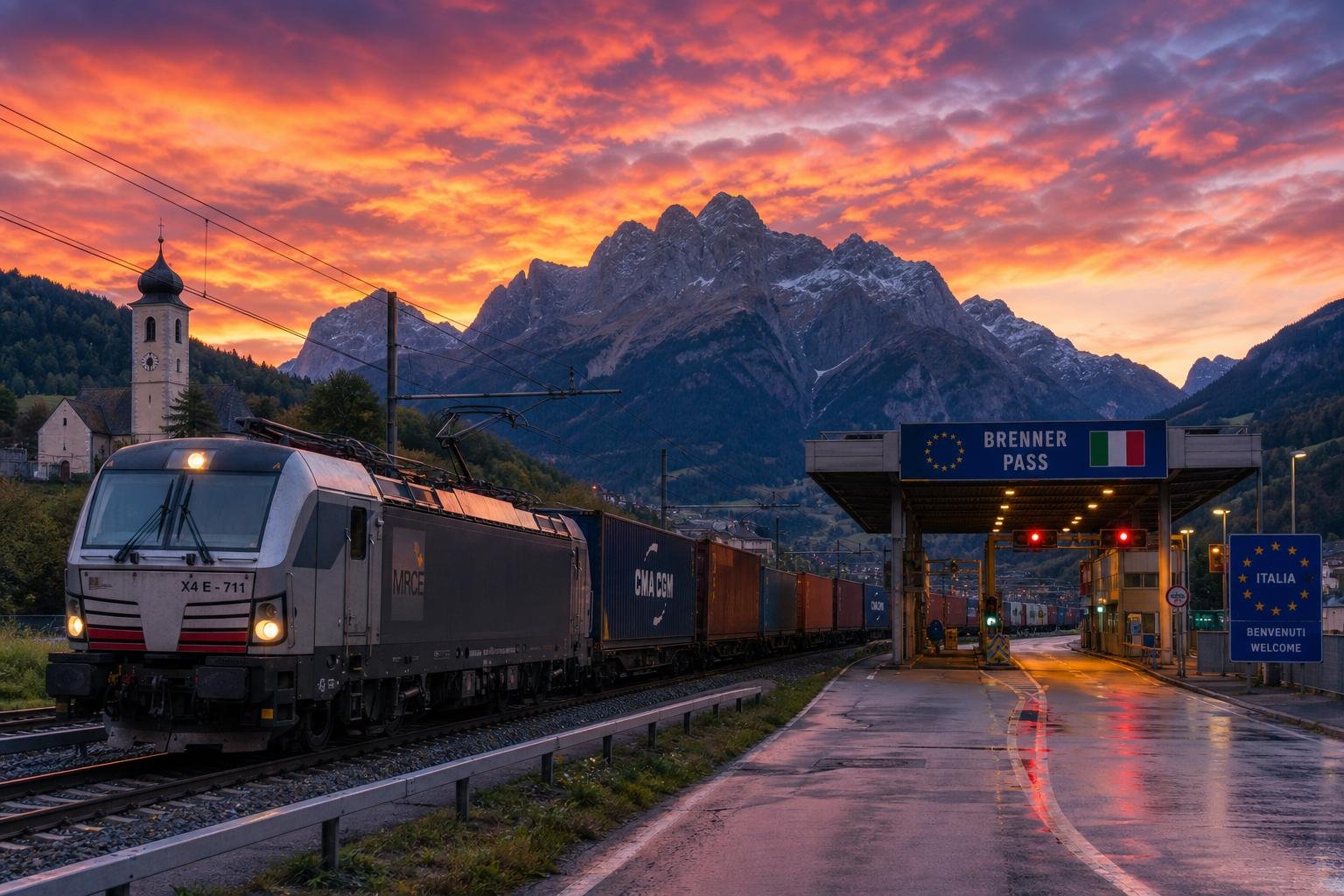
Customs is moving from a support function to a source of commercial advantage for European freight forwarders, and the shift is reshaping how many logistics firms think about border operations, pricing and customer retention.
Björn Höglund, sales director at Gaston Schul, says the forwarders he speaks to increasingly fall into two camps. One group is still focused on tightening the basics: reducing errors, bringing brokers together under one structure and improving consistenc...
Continue Reading This Article
Enjoy this article as well as all of our content, including reports, news, tips and more.
By registering or signing into your SRM Today account, you agree to SRM Today's Terms of Use and consent to the processing of your personal information as described in our Privacy Policy.
y across borders. The other is looking beyond administration and asking what customs can do for the business itself.
For those firms, the opportunity is no longer limited to filing declarations correctly. Duty optimisation, VAT recovery, compliance advice and trade data are becoming services that can be packaged, priced and sold. Höglund argues that forwarders able to present customers with a clearer compliance position, highlight regulatory gaps and turn customs data into usable management information are finding it easier to win tenders and harder to dislodge at renewal.
That commercial logic is helping create a new kind of customs offer across Europe. UK-based Express Declare, for example, markets rapid and compliant declaration handling for hauliers, importers, exporters and freight forwarders, with a focus on turnaround speed and round-the-clock support. Getlink Customs Services, part of the Getlink group, promotes a similar proposition for traffic between the EU and the UK, combining declarations, transit, sanitary and phytosanitary formalities and a digital platform with a single point of contact. Elsewhere, CustomsLink offers managed and self-service clearance across multiple European markets, while TradeRoute EU combines forwarding with customs handling for small and medium-sized businesses. SGS TransitNet, meanwhile, positions its web-based transit guarantee platform as a way to monitor declarations and move goods through customs more efficiently.
Höglund’s point is that the most valuable relationships are not built on processing alone. In his view, a supplier files paperwork, while a true partner shares commercial targets and builds around the customer’s operation. That distinction matters because customs expertise is difficult to assemble quickly. Rules differ by jurisdiction, trade lane and commodity, and the knowledge required to manage them properly tends to take years to develop.
The market itself is also changing shape. Customs brokers have been folded into larger logistics groups, and some operations have been pushed into shared-service centres far from the border. Gaston Schul is taking the opposite route, Höglund says, arguing that local expertise, local accountability and the ability to respond quickly when a shipment is held up are more valuable than centralisation alone.
The technology side of the equation is becoming just as important. Standardised customs processes, integrated systems and artificial intelligence can improve the quality of the underlying data, identify possible duty and VAT savings, flag free trade agreement opportunities and reduce risk. But, Höglund says, the information still needs experienced people who can interpret it and turn it into advice a forwarder can take to its customer.
That wider trend is also visible in digital platforms aimed at freight forwarders. Transmate, for instance, presents its software as a way to centralise shipment requests, customs interactions, partner management and invoicing in one system, giving forwarders and their customers more visibility over the full process. The direction of travel is clear: customs is increasingly being tied into the broader commercial and operational chain, rather than left at the edge of it.
For forwarders, the implication is uncomfortable but straightforward. Those that continue to treat customs as a cost centre may preserve the status quo, but they are unlikely to unlock the revenue, insight and differentiation now available to better-prepared rivals. In a market where compliance pressure is rising and cross-border trade remains complex, customs is becoming less about clearance alone and more about how logistics companies compete.
Source: Noah Wire Services