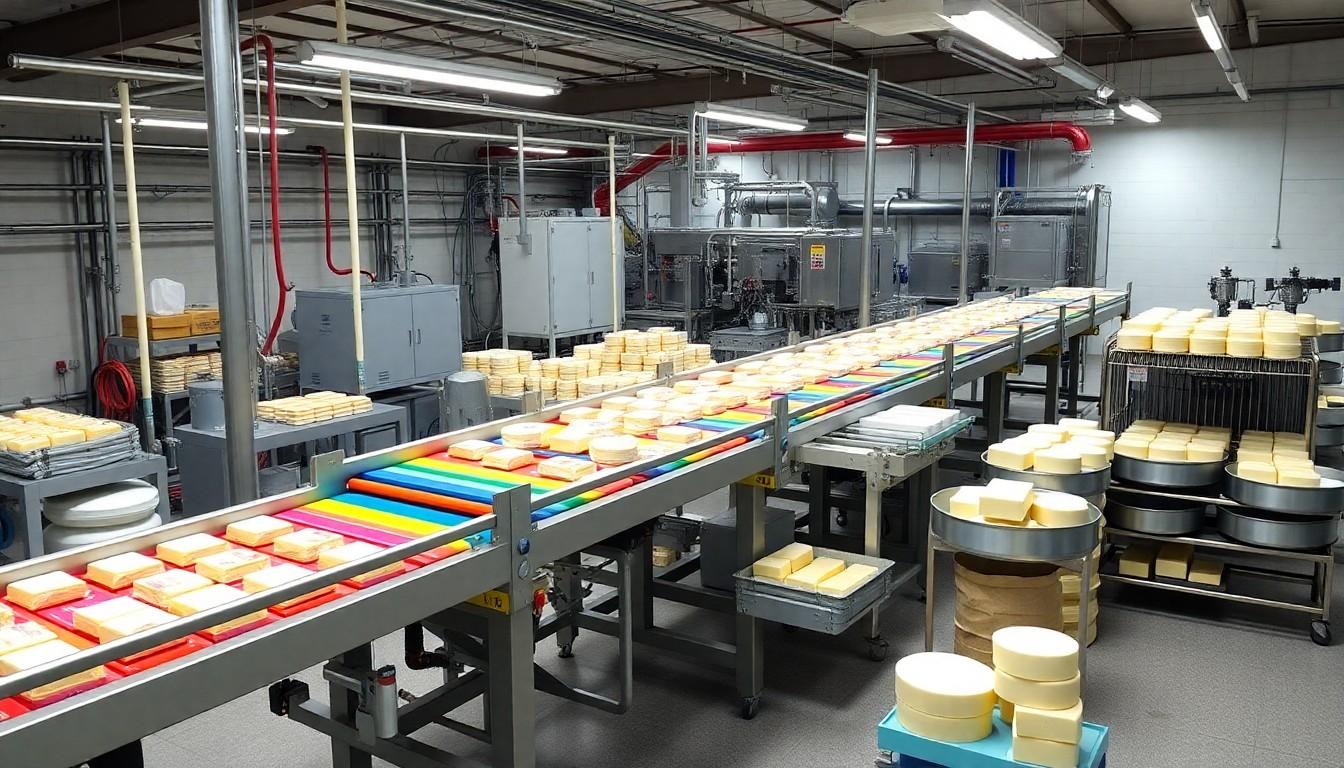
Dairy Conveyor Corporation has reported a sharp drop in purchasing costs and a major gain in staff capacity after adopting CADDi’s AI-driven manufacturing data platform, according to company case material.
Monica Merando, DCC’s director of purchasing, said the system helped the business cut costs by 42% and recover 600 hours of productive time. The company had been struggling with siloed information that made it harder for teams to share knowledge and quickly find the data ...
Continue Reading This Article
Enjoy this article as well as all of our content, including reports, news, tips and more.
By registering or signing into your SRM Today account, you agree to SRM Today's Terms of Use and consent to the processing of your personal information as described in our Privacy Policy.
needed to make buying decisions.
CADDi, which is based in Tokyo and Chicago, was founded in 2017 by Yushiro Kato and Aki Kobashi, both former McKinsey and Apple executives. Its main product, CADDi Drawer, is designed to bring together unstructured design and production data so manufacturers can analyse it and use it more effectively in procurement, engineering and supply chain work.
The DCC example sits alongside a wider set of customer claims from CADDi about the platform’s impact on manufacturing operations. Neaton Auto Products Manufacturing, a Tier-1 automotive supplier, said it reduced search time by 70% after centralising decades of engineering, procurement and quality data. Another manufacturer of high-precision metal and plastic products said CADDi cut quoting time by 96%, reducing a search process that previously took about 30 minutes to as little as one to two minutes.
Other case studies suggest the software is being used beyond purchasing alone. Ebara Corporation has said it used the platform to strengthen its aftermarket business, while Punch Industry has pointed to faster quoting and more accurate estimation. CADDi has also framed the technology as useful for reshoring efforts, arguing that manufacturers can use it to identify pricing inconsistencies, remove duplication and find design changes that lower costs.
For procurement teams under pressure to improve efficiency, the appeal is clear: less time searching for information, fewer duplicated parts and more room to focus on higher-value work. The reported results at DCC suggest that, where the underlying data is scattered and difficult to access, the gains can be substantial.
Source: Noah Wire Services