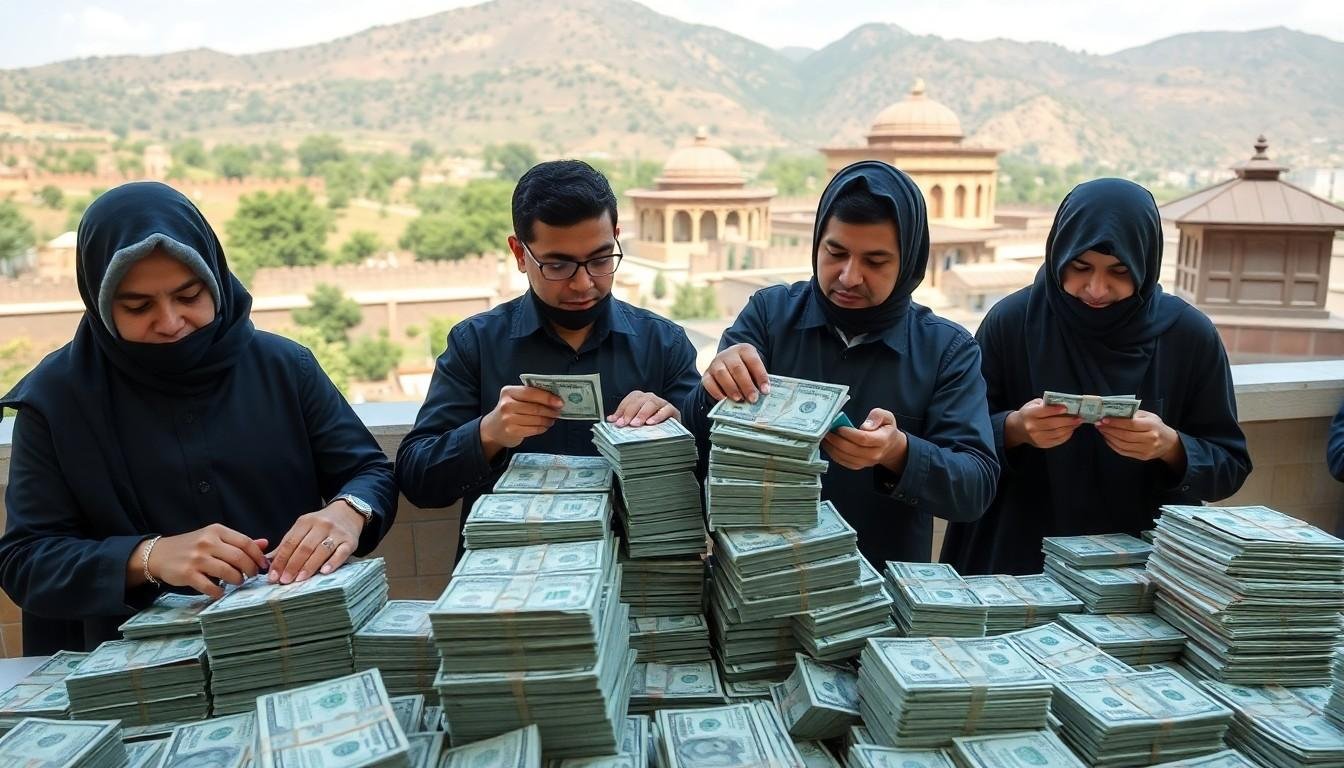
Iran’s frozen overseas assets have emerged as the main unresolved issue in a fragile US-Iran peace framework that is set to be signed in Geneva on Friday, even as officials and mediators present the agreement as a major step towards calming a conflict that has disrupted energy markets and regional shipping.
According to Iranian state-linked media, Tehran believes the memorandum of understanding requires Washington to release billions of dollars in frozen funds before substant...
Continue Reading This Article
Enjoy this article as well as all of our content, including reports, news, tips and more.
By registering or signing into your SRM Today account, you agree to SRM Today's Terms of Use and consent to the processing of your personal information as described in our Privacy Policy.
ive negotiations begin. Mehr news agency said the text it saw called for the release of $24 billion in blocked Iranian assets over a 60-day negotiating period, with half made available at the outset. The document has not been officially published, and that reading has been directly challenged by the US side.
A senior US official told Axios that the arrangement is based on strict conditionality and that no money will move unless Iran first carries out its obligations. The official described the deal as a “pay-for-performance” agreement, underscoring how far apart the two sides remain on the sequencing of concessions.
The dispute over frozen assets is only one part of a broader and still-incomplete accord. The framework is meant to extend the ceasefire for 60 days, reopen the Strait of Hormuz and launch talks on Iran’s nuclear programme, including the handling of enriched uranium stockpiles. Iranian officials have also tied the deal to an end to hostilities in Lebanon, while Western governments are said to be ready to ease sanctions if Tehran takes verifiable steps.
Axios reported that the agreement remains clouded by differing interpretations in Washington and Tehran, with some officials urging the release of the full memorandum to reduce confusion. Inside the US administration, the deal has also reportedly faced internal scepticism, with CIA Director John Ratcliffe among those voicing concern about whether Iran would make the nuclear concessions demanded by Washington.
The broader economic stakes are substantial. The Strait of Hormuz is one of the world’s most sensitive shipping routes, carrying a large share of global oil and liquefied natural gas flows, and any reopening would be closely watched by energy markets and central bankers alike. Analysts quoted by Axios cautioned that even if a diplomatic breakthrough holds, rebuilding confidence in the passage through the strait and repairing supply chains will take time.
Israel has not immediately commented on the agreement, while Iran’s foreign minister Abbas Araghchi has previously warned that diverting frozen assets to pay other countries would breach any accord. For now, the diplomatic breakthrough appears real, but the most contentious question , who gets access to the money, and when , remains unsettled.
Source: Noah Wire Services