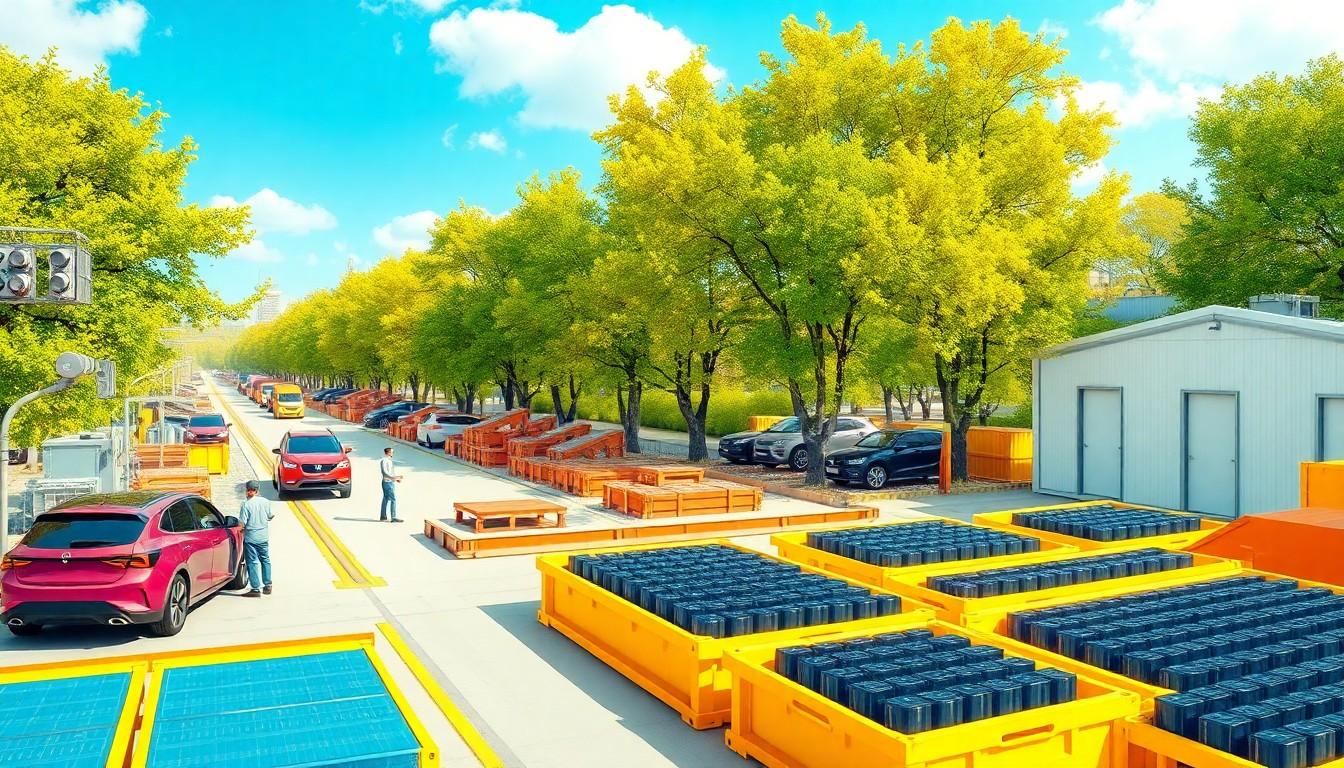
Gigafactory supply agreements have become one of the EV industry’s most important battlegrounds, not because they are glamorous, but because they determine whether ambitious production plans can actually be delivered. As Reuters has previously noted in coverage of battery manufacturing, the sector’s challenge is no longer simply designing better vehicles; it is securing the minerals, components and processing capacity needed to build them at scale.
These deals are long-term...
Continue Reading This Article
Enjoy this article as well as all of our content, including reports, news, tips and more.
By registering or signing into your SRM Today account, you agree to SRM Today's Terms of Use and consent to the processing of your personal information as described in our Privacy Policy.
arrangements linking battery plants with suppliers of materials such as lithium, nickel and cobalt, as well as with makers of electrodes, cathode active materials and recycled inputs. Their importance has sharpened as automakers race to expand output and localise production. In the United States, policy support under the Inflation Reduction Act has accelerated that shift by encouraging more domestic sourcing and North American manufacturing.
Recent agreements show how broad the trend has become. In April 2024, Electra Battery Materials and Eurasian Resources Group agreed a long-term cobalt hydroxide supply arrangement for Electra’s refinery in Ontario, with deliveries due to begin in 2026. The deal is designed to support an onshore battery materials chain and reduce dependence on overseas refiners. Elsewhere, ExxonMobil and SK On signed a memorandum of understanding in June 2024 for a multiyear lithium offtake agreement tied to ExxonMobil’s planned Arkansas project, underscoring how oil majors are also moving into battery supply. In another sign of the industry’s changing priorities, Aqua Metals and 6K Energy struck a strategic agreement in March 2024 to create a circular supply chain for battery materials in North America, linking recycled feedstock in Nevada with cathode production in Tennessee.
Automakers are pursuing similar security further upstream. Hyundai entered a framework deal with Ganfeng Lithium in January 2024 for lithium hydroxide, while reports in April 2024 suggested Tesla was moving towards a large electrode supply contract with LG Energy Solution. The common thread is clear: manufacturers want certainty over cost, volume and timing, not just access to raw materials.
That certainty has financial value too. Investors generally reward companies that can show they have locked in supply, because dependable inputs reduce execution risk and improve visibility over future production. For consumers, the effect is less obvious but just as important: steadier input costs can help limit price volatility, while firmer supply lines reduce the chance of delays and shortages.
What began as a narrow procurement issue has become a strategic contest over industrial power. In the EV era, the winners are increasingly being decided not only on the showroom floor, but in the contracts that sit beneath it.
Source: Noah Wire Services