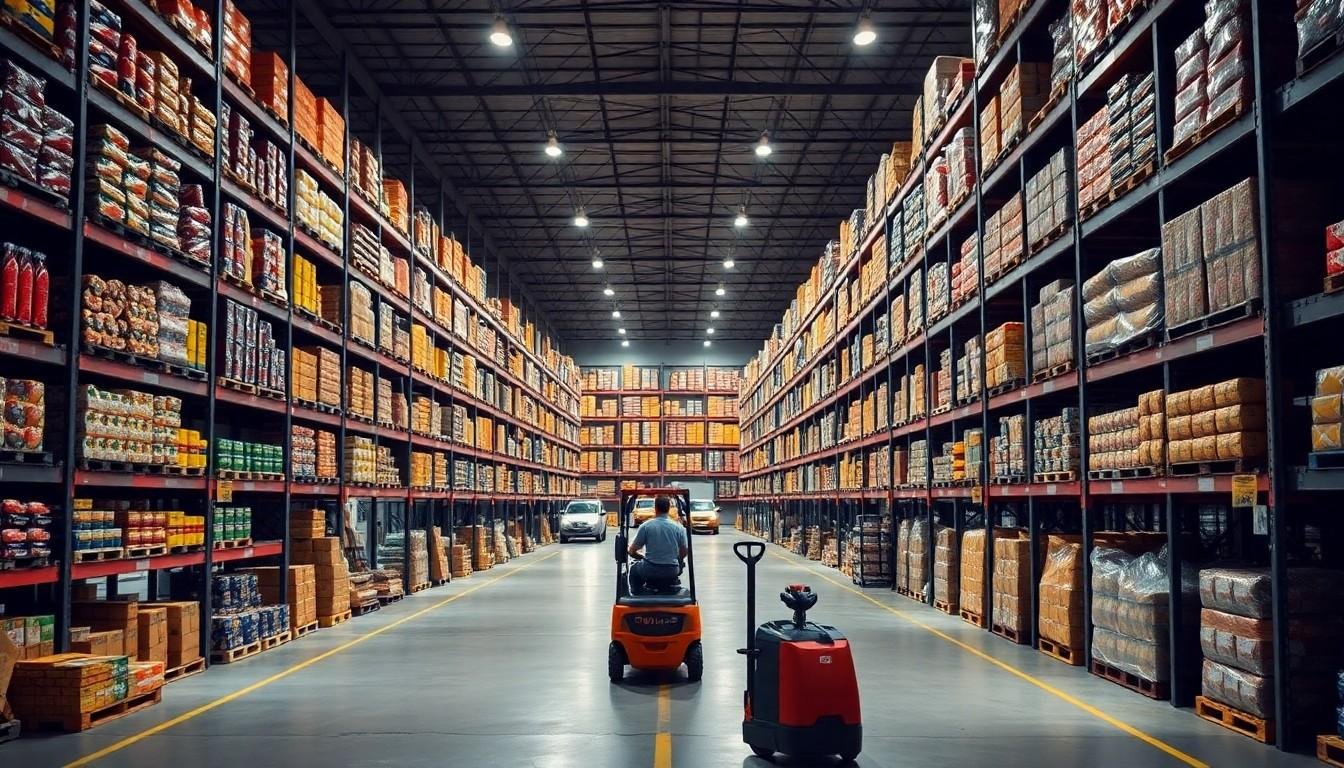
A food safety lapse that begins with a temperature excursion in transit can now become a supply-chain-wide problem within hours, rather than a back-office exercise in paperwork. Food Logistics reported that this is why traceability is moving from a record-keeping function into an operational one, especially in cold chains where spoilage can spread across multiple states before the issue is detected. (
Continue Reading This Article
Enjoy this article as well as all of our content, including reports, news, tips and more.
By registering or signing into your SRM Today account, you agree to SRM Today's Terms of Use and consent to the processing of your personal information as described in our Privacy Policy.
.com/safety-security/food-safety/article/22969004/smart-food-safe-the-next-phase-of-traceability-in-food-logistics">foodlogistics.com)
That shift has been sharpened by the FDA’s Food Safety Modernization Act Section 204, which requires additional traceability records for foods on the Food Traceability List. The agency says the rule is designed to speed the identification and removal of potentially contaminated product, and it now covers tracing points across production, transport, warehousing and distribution. In March 2025, the FDA said it intended to extend the compliance date by 30 months, and its current guidance reflects a compliance date of July 20, 2028. (fda.gov)
For many operators, the difficulty is not the existence of records but their fragmentation. The FDA says the rule does not prescribe a single technology, but it does expect records to be maintained in a way that allows rapid retrieval and sharing across the supply chain. That leaves firms relying on spreadsheets, paper logs and disconnected systems at a disadvantage when they need to isolate affected lots quickly and decide what to hold, ship or recall. (fda.gov)
Food Logistics said the industry response is increasingly centred on real-time visibility: IoT sensors, telematics, barcode scanning, RFID, automated alerts and cloud-based traceability platforms. Those tools are meant to link suppliers, co-packers, cold storage operators, carriers and warehouses into one record trail, so that temperature problems, lot movements and shipment destinations can be traced without delay. (foodlogistics.com)
The broader implication is that traceability is no longer just a compliance issue. The FDA frames it as a way to improve tracking and tracing across all steps in the supply chain, while the food logistics sector is treating it as part of day-to-day control, recall readiness and customer assurance. In practice, that means the companies best placed to respond to the next recall are likely to be those that can see their products move, in near real time, rather than those that can merely document where they have been. (fda.gov)
Source: Noah Wire Services