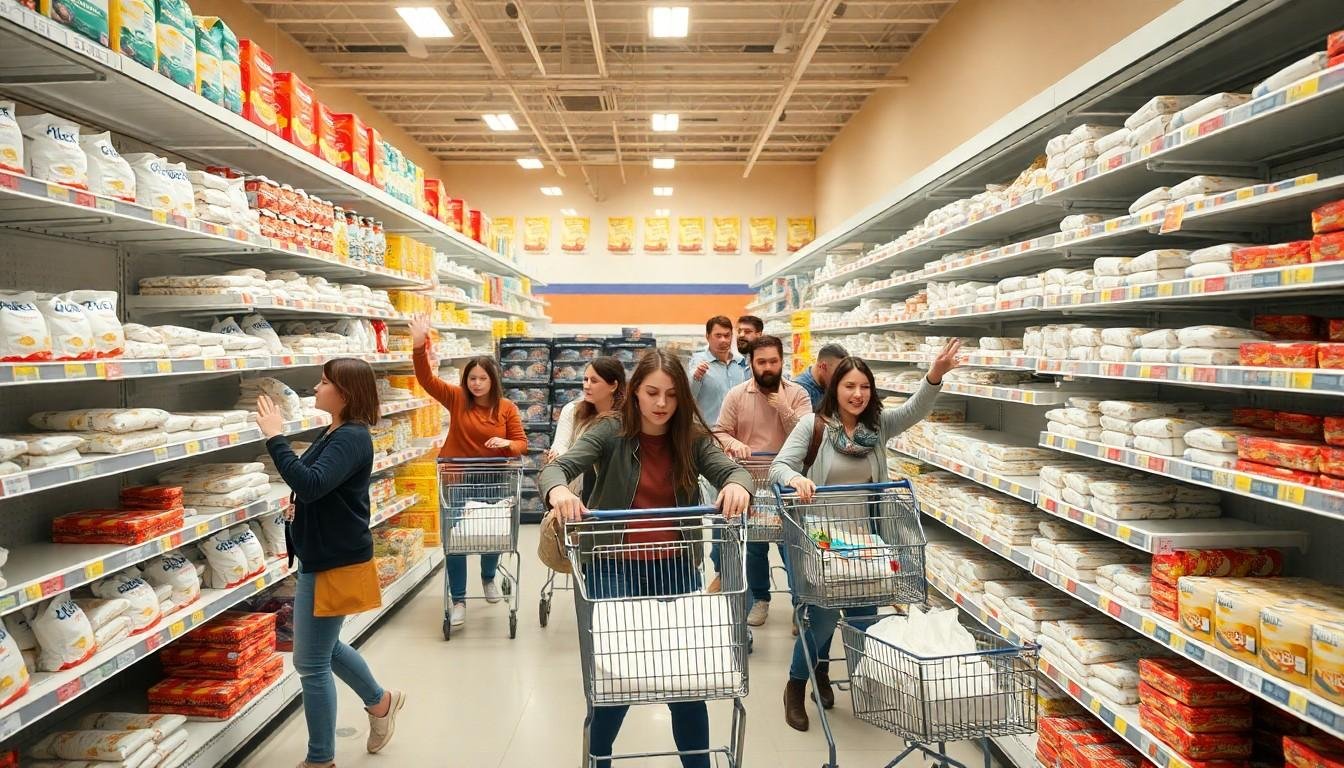
A viral recipe or a catchy social post can now unsettle supply chains almost as quickly as a transport strike or a weather shock. Guinness shortages in the UK late last year, which the Guardian said were eased by drawing on Irish reserves usually set aside for the domestic market, showed how rapidly a drink can move from everyday staple to hard-to-find item when social media takes hold. More recently, Australian supermarkets saw a run on Greek yoghurt after a TikTok “Japanese cheese...
Continue Reading This Article
Enjoy this article as well as all of our content, including reports, news, tips and more.
By registering or signing into your SRM Today account, you agree to SRM Today's Terms of Use and consent to the processing of your personal information as described in our Privacy Policy.
cake” craze, leaving shelves bare at several major chains, according to the ABC.
For retailers and suppliers, the problem is not simply that demand rises suddenly. It is that the whole system is built for something far steadier. Purchasing decisions, production schedules and shipping plans are often fixed months ahead; many businesses, as Proxima notes, lock in Christmas forecasts and supplier commitments long before the season begins. That leaves little room to react when a trend explodes online in hours and then lasts for weeks.
The commercial risk is considerable. Miss the spike and shelves empty. Overreact and companies are left with surplus stock, higher buying costs and damaged margins once the trend fades. In lower-margin categories, even a modest forecasting error can quickly become expensive, while poor communication with customers over delays or substitutions can further dent trust.
One of the most common errors, Proxima argues, is chasing volume too aggressively. That can mean over-ordering, switching suppliers too quickly or cutting corners on quality in an effort to keep up. It can also mean weakening compliance standards or sacrificing profitability through rushed freight and emergency sourcing.
The wider backdrop is no less challenging. McKinsey’s 2024 Supply Chain Risk Survey said businesses remain vulnerable to abrupt changes in consumer behaviour, while its analysis of canal delays last year highlighted how disruption in shipping routes can intensify existing fragilities. GEP’s Global Supply Chain Volatility Index suggested the system has moved closer to a more stable phase, but warned that sudden demand shocks still expose how little slack remains in many networks.
The best-prepared companies are not simply faster buyers. They tend to combine procurement, sales and marketing more closely, so forecasts can be revised quickly as patterns emerge. More advanced firms are also using social listening and consumer data to spot trends earlier, although that only works if the rest of the supply chain has room to flex.
That flexibility matters most. Dual sourcing, contingency logistics and sensible safety stocks can all help absorb a spike without forcing a scramble. In practice, social media trends are becoming a live test of whether a business can protect availability, quality and margin at the same time.
Source: Noah Wire Services