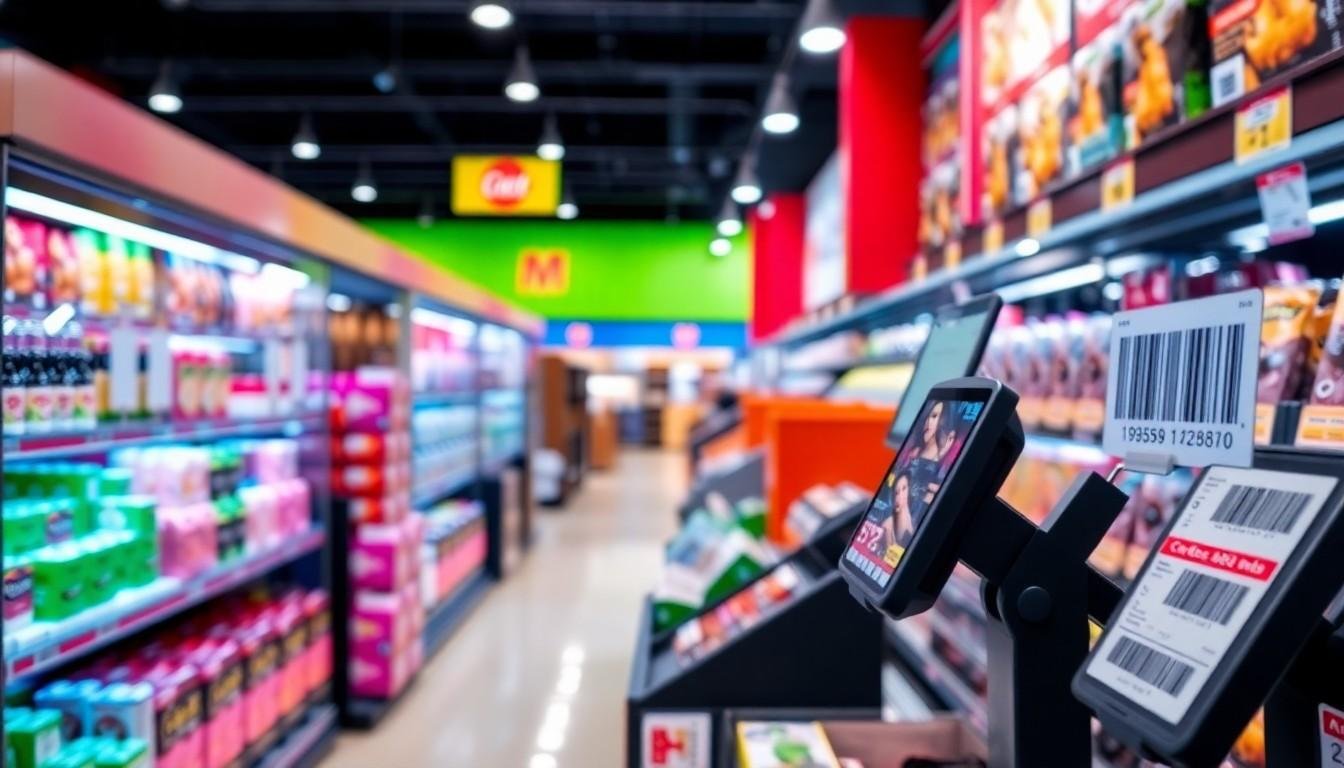
GS1 Australia is calling on retailers and other businesses to update point-of-sale infrastructure so it can read 2D barcodes as well as the linear codes that have dominated checkout systems for decades.
The appeal, made to coincide with World Barcode Day and the 52nd anniversary of the first supermarket scan in Ohio, reflects a wider shift in retail technology. The organisation says next-generation codes can carry far more than a product identifier, including batch details, exp...
Continue Reading This Article
Enjoy this article as well as all of our content, including reports, news, tips and more.
By registering or signing into your SRM Today account, you agree to SRM Today's Terms of Use and consent to the processing of your personal information as described in our Privacy Policy.
iry dates, sustainability information and digital links that can be accessed at the shelf or after purchase.
That extra capacity is becoming more relevant as retailers face greater pressure to improve traceability, satisfy regulatory demands and give shoppers clearer information about what they are buying. In sectors such as groceries, health and household goods, richer product data can also speed recalls and help businesses verify provenance more quickly.
GS1 Australia said the transition will not mean abandoning existing barcodes overnight. Instead, it wants systems that can process both formats, allowing businesses to keep current checkout operations running while preparing for broader use of QR codes and other 2D symbols.
The group has warned that many current scanners and software platforms will need upgrades or replacement to handle the change properly. For retailers, that could mean investment in hardware, systems integration and staff training. For brand owners and manufacturers, it may also require adjustments to packaging and data management so the extra information attached to each code is accurate and consistent across supply chains.
The push comes as the global GS1 network, which sets barcode and product identification standards in more than 120 countries, accelerates work on richer data-sharing systems. In Australia, GS1 says it works with more than 24,000 member companies across more than 25 industries, having first introduced barcoding to the local market in 1979.
Marcel Sieira, chief operating officer of GS1 Australia, has previously said that next-generation barcodes are already high on boardroom agendas and pointed to Woolworths’ use of them on fresh produce as an example of how the technology is starting to appear in mainstream retail.
Industry momentum is also building elsewhere in the technology stack. Blue Yonder and Syndigo recently announced a partnership designed to connect product data more tightly with supply chain software, reducing manual cleansing and improving item onboarding. That kind of integration underlines why richer, standardised product information is becoming more valuable to retailers trying to improve planning, fulfilment and shelf availability.
At the same time, Australian retailers are under pressure from global e-commerce rivals and from consumers whose expectations are rising as delivery, transparency and product authenticity become more important. In that environment, GS1 Australia argues, 2D barcodes are less a cosmetic change than part of a broader commercial reset.
Source: Noah Wire Services