


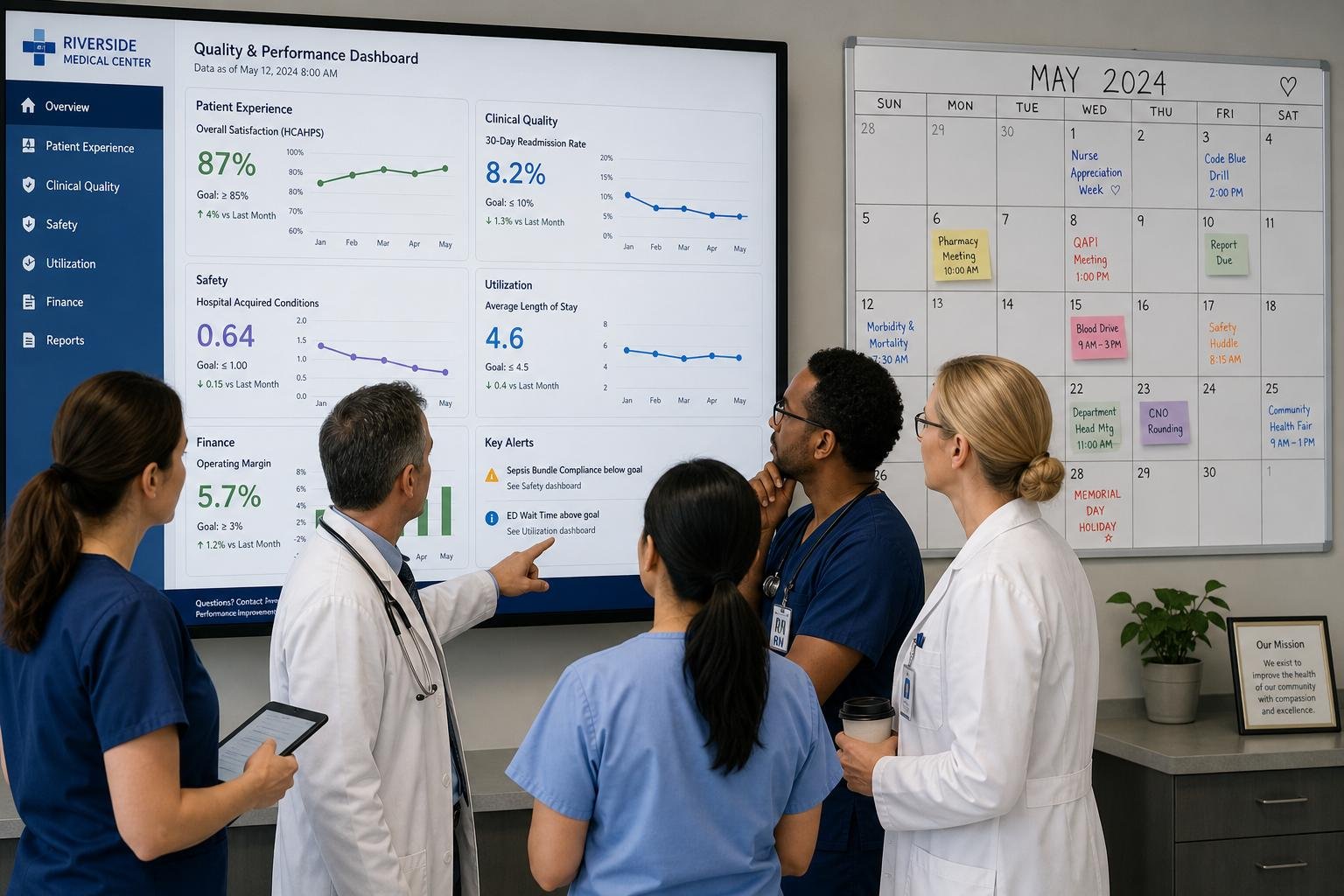
NHS contract management is set to become more important as England’s payment reforms move funding ever closer to the way care is actually delivered, rather than simply the amount delivered.
Emma James, chief commercial officer at Digital Modus, argues that this shift should force a rethink across the service. In practice, she writes, the real work begins when a contract is signed, not when the tender closes. With the NHS Payment Scheme for 2026/27 now in force from 1 April 2026, and NHS England pressing ahead with activity-based payments, blended models and targeted incentives such as best practice tariffs, the ability to monitor performance properly has become central to whether the reforms succeed.

According to NHS England’s consultation on the 2026/27 NHS Payment Scheme, the aim is to link more funding to care delivery and to support efficiency, elective recovery and shorter waiting lists. The final scheme confirmed four main payment mechanisms, including aligned payment and incentive arrangements, low-volume activity block payments, activity-based payment and local payment arrangements. The design is intended to reshape provider behaviour by putting more emphasis on measurable outcomes.
That makes contract management more than an administrative function. It becomes the mechanism through which organisations can test whether those incentives are translating into better service delivery, value for money and improved patient experience. Without clear oversight, however, the risks are familiar: poor performance can linger unchallenged, issues can go unnoticed until renewal, and organisations can discover too late that the service they thought they had bought was never properly specified.
James points to a common structural weakness inside NHS organisations. Procurement teams often shape and award contracts, but operational teams inherit them. That handover can leave gaps in ownership, with the people managing day-to-day delivery not always fully aligned with the performance measures, service standards or obligations written into the agreement. The result is often reactive rather than planned oversight.
The problem is not confined to elective care. NHS England has also set out changes to GP contracts from 1 April 2026, including funding adjustments for PMS and APMS arrangements. The NHS Confederation says the core GP contract will receive a 3.6% cash uplift worth £485 million, alongside a £292 million practice-level reimbursement scheme and new expectations around same-day responses to urgent requests. NHS England also plans to collect practice-level data on access and demand, underlining the growing importance of contract data in shaping future intervention.
In that context, the case for stronger contract management is broader than one payment scheme. It is about governance, visibility and accountability across the system. Better contracts need clearer definitions at the outset: what outcome is being sought, how it will be measured, what data will be collected and who will be responsible for watching performance throughout the life of the agreement. Without those basics, organisations can end up trying to enforce obligations that were never properly set out.
There is also a practical warning in recent commentary on the 2026/27 scheme. Mills & Reeve has suggested that some of the draft elective care rules risk creating barriers to recovery and could discourage a shift from hospital to community care. That is a reminder that funding reforms alone do not guarantee the behaviour NHS England wants to see. The way contracts are written, monitored and enforced will determine whether the incentives land as intended.
James also argues that contract management needs to be treated as a shared responsibility rather than a siloed task. Procurement, contract managers and service owners each have a role: one to shape the deal, one to oversee delivery and one to understand the operational realities. When those functions work together, risks are identified earlier and relationships with suppliers are less likely to drift into complacency.
Technology, she says, can help. Digital tools and AI platforms can reduce manual tracking, bring financial commitments and milestones into one place, and flag problems before they become costly. But technology is only part of the answer. The real requirement is for better capability, clearer processes and a stronger recognition that contract management is strategic work, not an afterthought.
As the NHS leans further into performance-linked funding, that message is likely to grow harder to ignore. The question is no longer whether the service can afford to improve contract management. It is whether it can afford not to.
Source: Noah Wire Services

