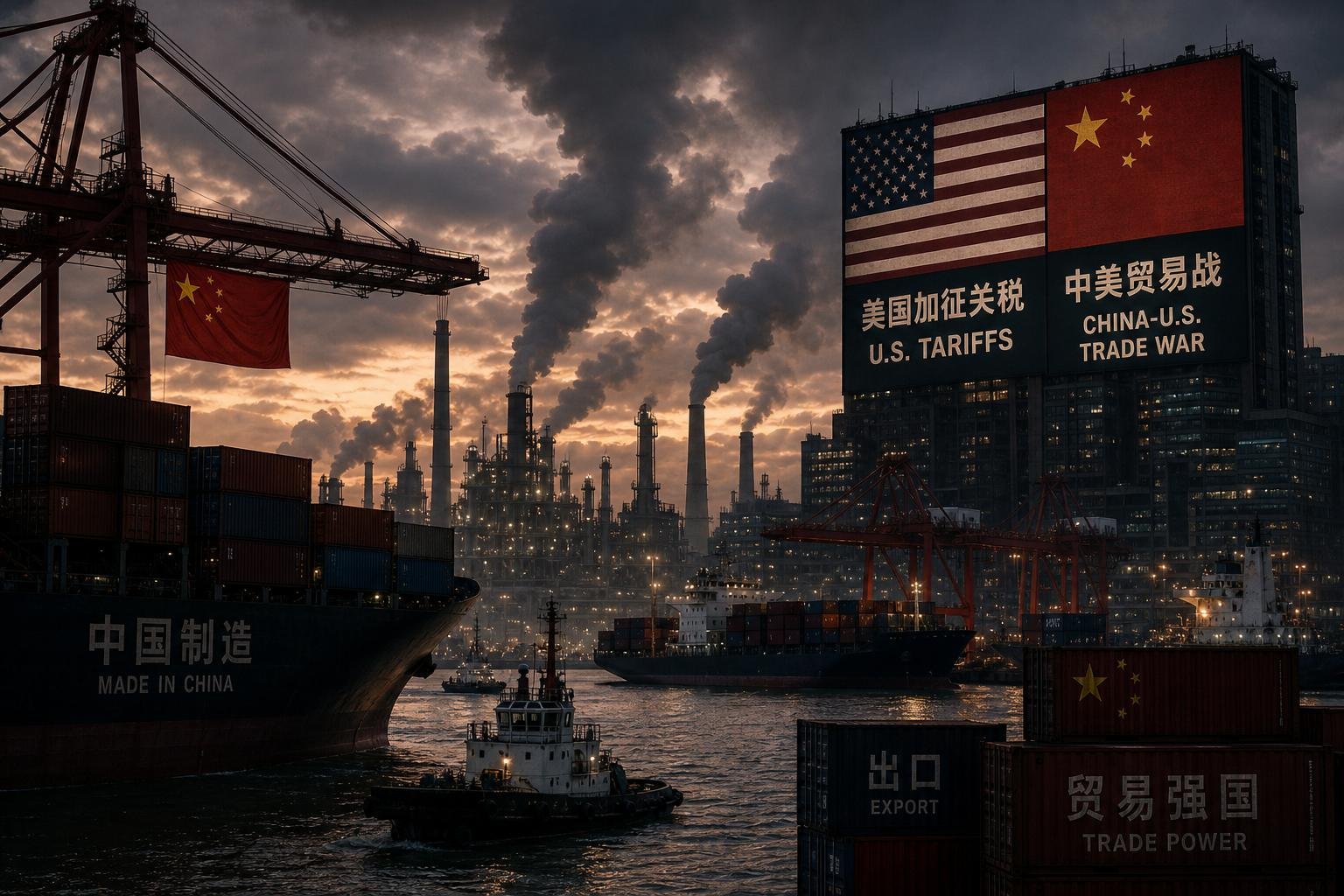
The trade conflict between the United States and China has entered a new phase, with Beijing responding for the first time to American sanctions by using its own Blocking Rules to tell Chinese firms not to comply with Washington’s demands.
The move came after the US Treasury Department sanctioned Hengli Petrochemical (Dalian) Refinery Co at the end of April, accusing it of buying Iranian crude and helping sustain Tehran’s oil network. According to the Treasury, the action w...
Continue Reading This Article
Enjoy this article as well as all of our content, including reports, news, tips and more.
By registering or signing into your SRM Today account, you agree to SRM Today's Terms of Use and consent to the processing of your personal information as described in our Privacy Policy.
as part of a wider campaign against Iran’s petroleum exports and also targeted shipping companies and vessels linked to those flows.
China’s Ministry of Commerce answered by invoking regulations introduced in 2021 to counter what it sees as the unjustified extraterritorial application of foreign laws. In practice, the order means Chinese companies are barred from following the US restrictions, and those that cut ties with the sanctioned firms could potentially face claims for damages.
The case is significant not only because it is the first known use of the Blocking Rules, but also because Hengli is a major player in China’s refining industry. The company’s parent group has reported annual revenue of more than $114bn, while its Dalian site processes around 400,000 barrels of crude a day. It also operates what is said to be the world’s largest plant for producing PTA, a key material used in synthetic fibres.
The response has been read in Beijing and beyond as a signal that China is prepared to push back more aggressively against US sanctions pressure. The state-backed Global Times described the action as an important step in moving China’s legal tools from theory into practice, while analysts quoted by the South China Morning Post said it showed a more confident Chinese stance toward Washington’s efforts to police trade links with third countries.
The choice facing Chinese banks and other businesses is now more awkward. If they obey Washington, they risk violating Beijing’s order. If they continue to deal with sanctioned entities, they may invite US penalties. As one analyst told the South China Morning Post, that leaves the American blacklist vulnerable either to escalation or to doubts over whether it can be enforced at all.
The timing adds further sensitivity. Bloomberg reported that the sanctions were imposed as Washington seeks to choke off Iran’s oil revenue, even as a meeting between Donald Trump and Xi Jinping is expected in the near term. How far this latest exchange will shape that diplomacy is still unclear, but it has already underlined how quickly the wider US-China rivalry is now spilling into the legal and financial systems that govern global trade.
Source: Noah Wire Services