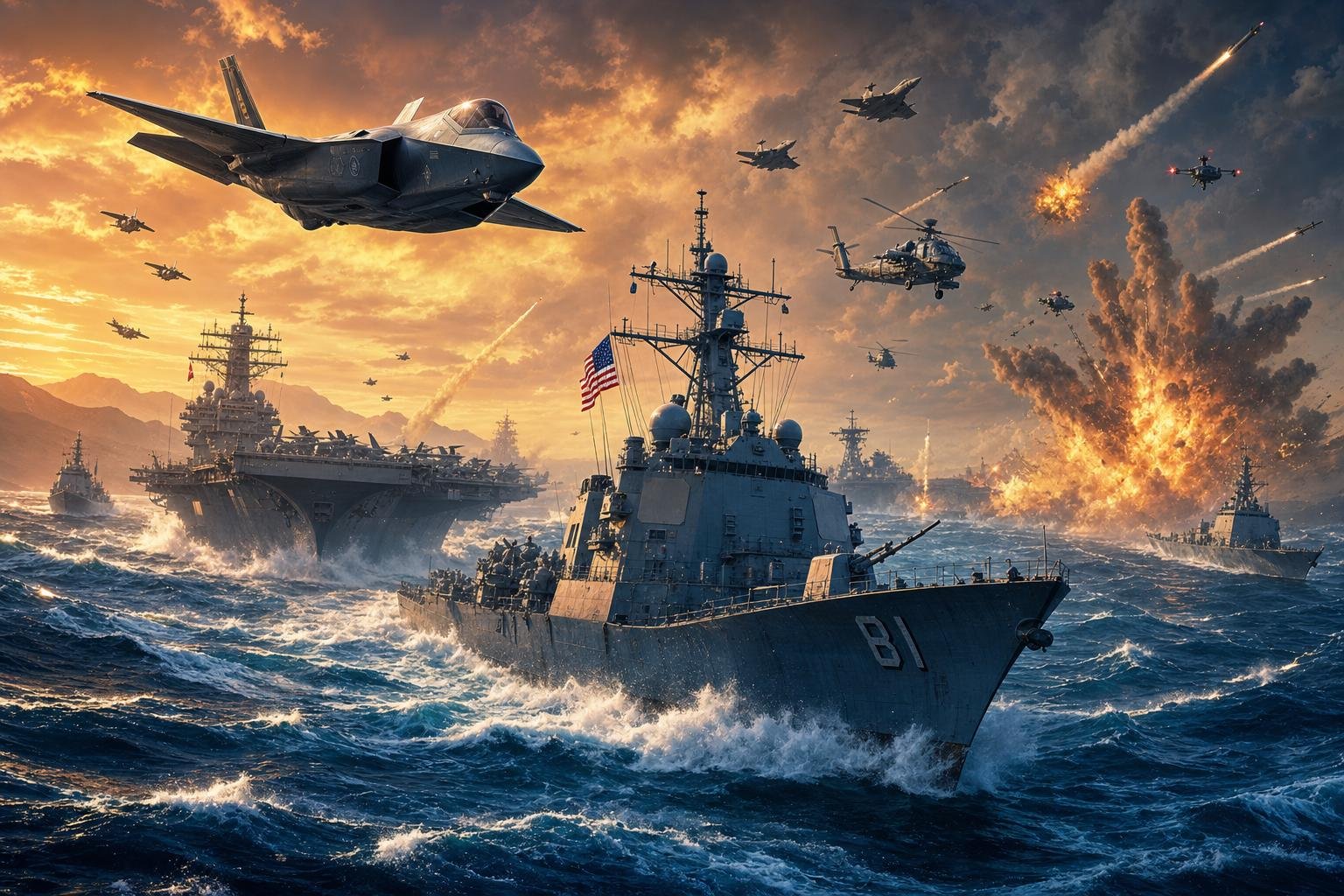
US forces have struck six Iranian fast boats and intercepted missiles and drones in the Strait of Hormuz as Washington launched a new escort mission for merchant shipping through the chokepoint, raising fresh doubts over a ceasefire that officials in both countries say is still technically in force.
US Central Command said the operation, dubbed “Project Freedom” and ordered by President Donald Trump, is intended to reopen the waterway to commercial traffic after wee...
Continue Reading This Article
Enjoy this article as well as all of our content, including reports, news, tips and more.
By registering or signing into your SRM Today account, you agree to SRM Today's Terms of Use and consent to the processing of your personal information as described in our Privacy Policy.
ks of disruption. The mission involves guided-missile destroyers, more than 100 aircraft and about 15,000 personnel, according to CENTCOM.
Admiral Brad Cooper, the head of US Central Command, said Iranian Revolutionary Guard forces fired cruise missiles, drones and small boats at vessels under US protection, but that American defences repelled every attack. Military Times reported that the six boats were destroyed during the first day of the operation.
The opening moves came as the USS Truxtun and USS Mason transited the strait under heavy cover from Apache and Seahawk helicopters, with F-16 fighters overhead. US officials said the ships passed through without damage.
Iran offered a different account, with state television denying that its boats had been destroyed and describing the launches as warning shots against a US destroyer it said was attempting to enter the strait. Iranian forces also attacked a UAE-owned tanker with drones, injuring three people, and fired on a South Korean cargo ship, according to the reports.
The United Arab Emirates, Egypt, the Gulf Cooperation Council and Britain condemned the attacks. British Prime Minister Keir Starmer urged Tehran to engage in talks to preserve the ceasefire.
The latest flare-up threatens a truce that US officials say has been in place since April 7, after earlier US-Israeli strikes on Iranian facilities. The situation remains tense enough that some defence officials told CBS News the risk of a return to major combat had increased, even as they said no order had been given to abandon the ceasefire.
Trump sought to play down the incidents on Truth Social, saying Iran had inflicted only limited damage. In a letter to congressional leaders on Friday, he said hostilities had ended.
The operation comes as global energy markets remain on edge. Brent crude rose above $126 a barrel on Monday, its highest level since 2022, as traders reacted to the risk to supply through a waterway that normally carries about a fifth of the world’s oil. The Atlantic reported that roughly 1,550 ships remain stranded in the Gulf as Iran continues to use mines, drones and fast boats to disrupt traffic.
The Pentagon insists Project Freedom is separate from the ceasefire arrangement and is focused on restoring safe passage for commercial shipping. Iran, meanwhile, has shown little sign of backing away from its campaign to contest the strait, keeping the region in a precarious state despite Washington’s claims that the corridor is again open to trade.
Source: Noah Wire Services