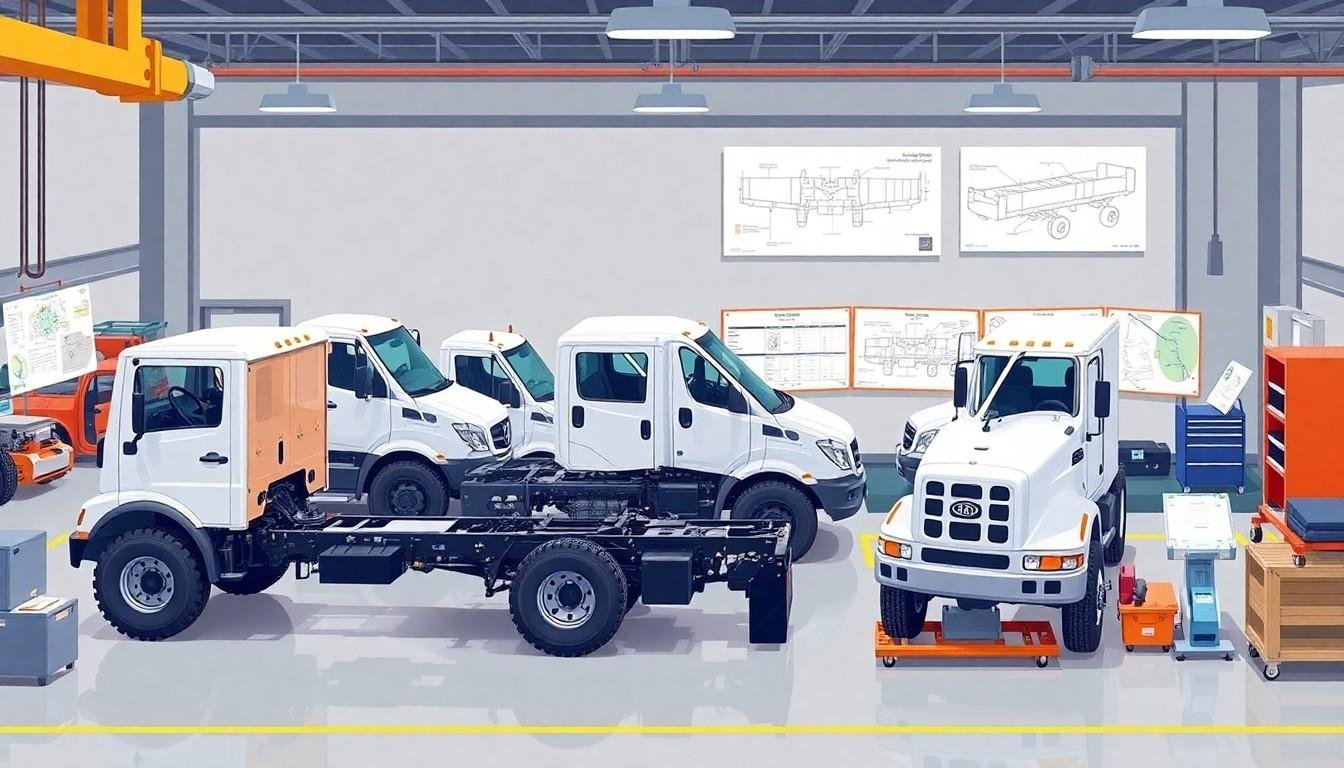
Fleet vehicles are working assets, not simply means of transport. Their value depends on whether the chassis, equipment and modifications are suited to the jobs they must perform. That makes the timing of decisions crucial: involving an upfitter before specifications are fixed can help prevent a mismatch between the vehicle ordered and the one the operation needs.
Holman’s Jeff Klinghoffer, its Director of Regional Engineering Managers, discussed the case for early coordinati...
Continue Reading This Article
Enjoy this article as well as all of our content, including reports, news, tips and more.
By registering or signing into your SRM Today account, you agree to SRM Today's Terms of Use and consent to the processing of your personal information as described in our Privacy Policy.
on with Fleet & Mobility. Holman argues that key requirements, including payload, wheelbase, electrical capacity and equipment compatibility, should be considered together. A decision made in isolation can affect the rest of the build, and changes introduced after an order is placed may require redesign or engineering work, disrupt production and add cost.
Early collaboration does not necessarily reduce the initial price of a vehicle. Its potential value lies instead in avoiding preventable complications over the life of the procurement process: a completed vehicle that cannot carry its intended load, equipment that will not fit, or a specification that needs expensive correction. The aim is to make the build fit the operation from the outset.
That work also depends on understanding what the vehicle is expected to do. FleetOwner has reported that fleets, manufacturers, dealers and body companies can improve integration by reviewing requirements and build plans together. Specialist equipment may serve particular trades or applications, with options including safety features, secure storage and ergonomic changes. But modifications are not interchangeable: they need to reflect the vehicle’s purpose, budget and operating environment.
Delivery schedules add another reason to plan ahead. Work Truck Online recommends coordinating equipment orders with chassis procurement and factoring in manufacturing and installation lead times. Decisions made after factory orders are submitted can narrow the available options and complicate arrangements between dealers and upfitters. The publication also notes that ship-through installations can offer consistent builds and reduce transport costs in some circumstances, although the right approach will depend on the fleet and the availability of local service and warranty support.
Supply-chain pressures can make those schedules harder to predict. Automotive Fleet’s account of the 2021 model year described delays associated with irregular chassis deliveries, shortages of parts and raw materials, labour constraints and limited transport capacity. Those disruptions could prevent upfitters from scheduling work reliably and contribute to higher costs. While the report focused on a particular period, it illustrates how a vehicle’s delivery date can depend on several connected suppliers and production stages.
Consistency is important, too. Mike Albert’s guidance on upfitting playbooks describes how repeated, unmanaged changes can produce a fleet of incompatible vehicles, bringing rework, maintenance difficulties and downtime. A documented standard specification, with a clear process for approving exceptions, can provide a stable baseline without ruling out changes needed for a specific job.
A case study published by Wheels shows how formalising that process can improve results. After assessing a prospective supplier through site visits and a pilot build, a construction company developed documented chassis and upfit requirements, analysed total cost of ownership and established expectations for tracking progress and communicating delays. Wheels reported that the revised approach cut upfit cycle time by 101 days and reduced quote time by 17.5 per cent.
Holman says a strategic upfit partner able to meet a broad share of a fleet’s requirements can help support consistency, quality and ongoing service. Its own announcement also points to an integrated supply chain connecting planning, ordering and delivery. The broader lesson is that choosing a supplier is only one part of the task: clear requirements and communication between fleet operators, manufacturers, dealers and upfitters are what help turn those plans into suitable vehicles delivered with fewer avoidable setbacks.
Source: Noah Wire Services