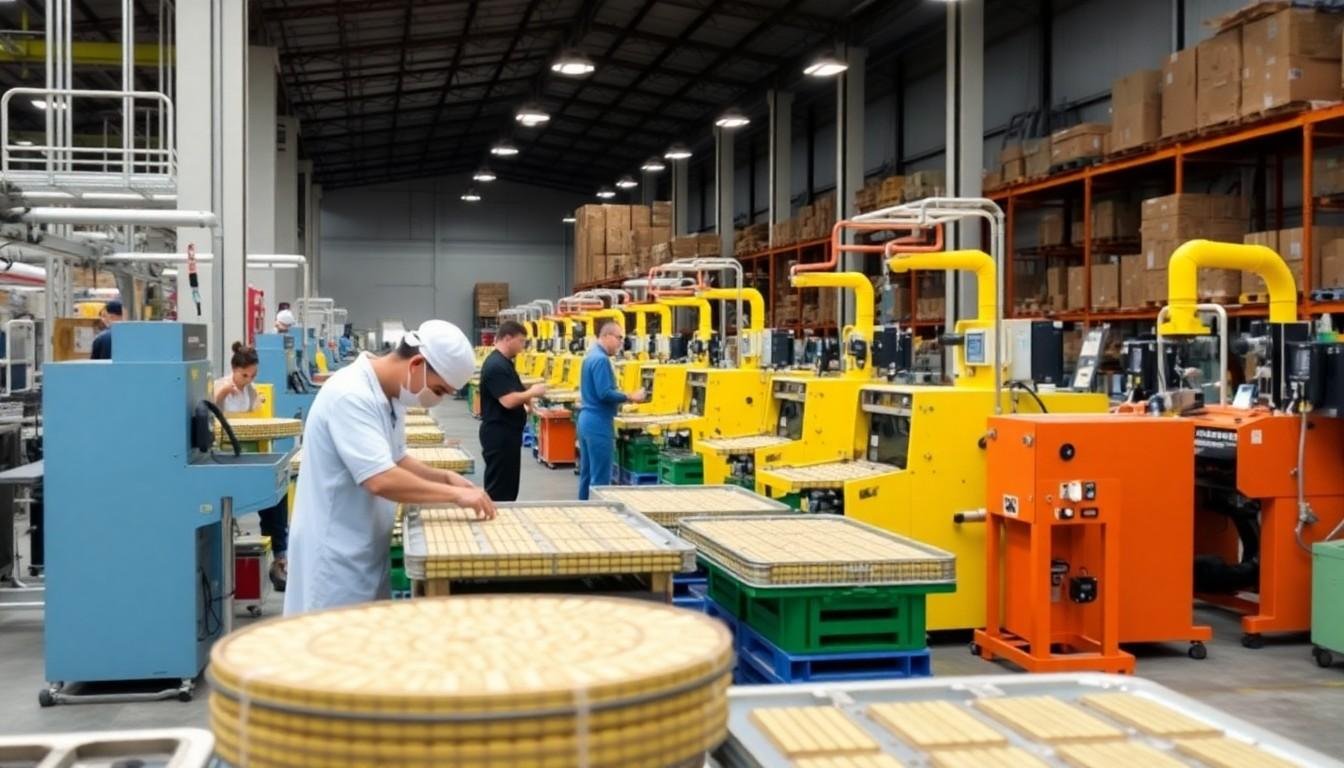
Variscite has said it is using buffered inventories, in-house manufacturing and multiple supplier relationships to keep shipments moving as shortages continue to affect the global components market.
The embedded hardware company said demand tied to artificial intelligence has tightened supply of memory chips and other parts, with larger buyers often taking priority. That, according to the firm, has left smaller customers in sectors such as edge computing, robotics, industrial e...
Continue Reading This Article
Enjoy this article as well as all of our content, including reports, news, tips and more.
By registering or signing into your SRM Today account, you agree to SRM Today's Terms of Use and consent to the processing of your personal information as described in our Privacy Policy.
quipment and medical devices facing longer waits and higher costs.
Variscite said its own production model has helped it avoid the delays hitting some competitors. The company manufactures modules in-house rather than relying entirely on outside production partners, which it says gives it more control over component sourcing, assembly and delivery times. It also pointed to long-standing relationships with several suppliers and its status as an NXP Platinum Partner as factors that help it secure parts.
The company’s production facilities are certified to ISO 9001, ISO 13485 and ISO/IEC 27001, a mix of standards covering quality management, medical manufacturing and information security. Variscite has also previously said its in-house model supports more custom configuration options and tighter testing.
The firm framed its current position as the result of preparation rather than a recent shift. It said it expanded production and warehousing during the pandemic and that the extra capacity remains in place. The company also cited a 15-year supply commitment for customers, which it said reduces the risk of long-term sourcing problems.
For customers using SMARC-compliant modules, Variscite said switching to its products can be done without redesigning the broader system because the standard defines a common mechanical and electrical interface. The company also highlighted modules based on NXP’s i.MX 8M Plus and an upcoming i.MX 95 device, both aimed at edge AI applications.
Source: Noah Wire Services