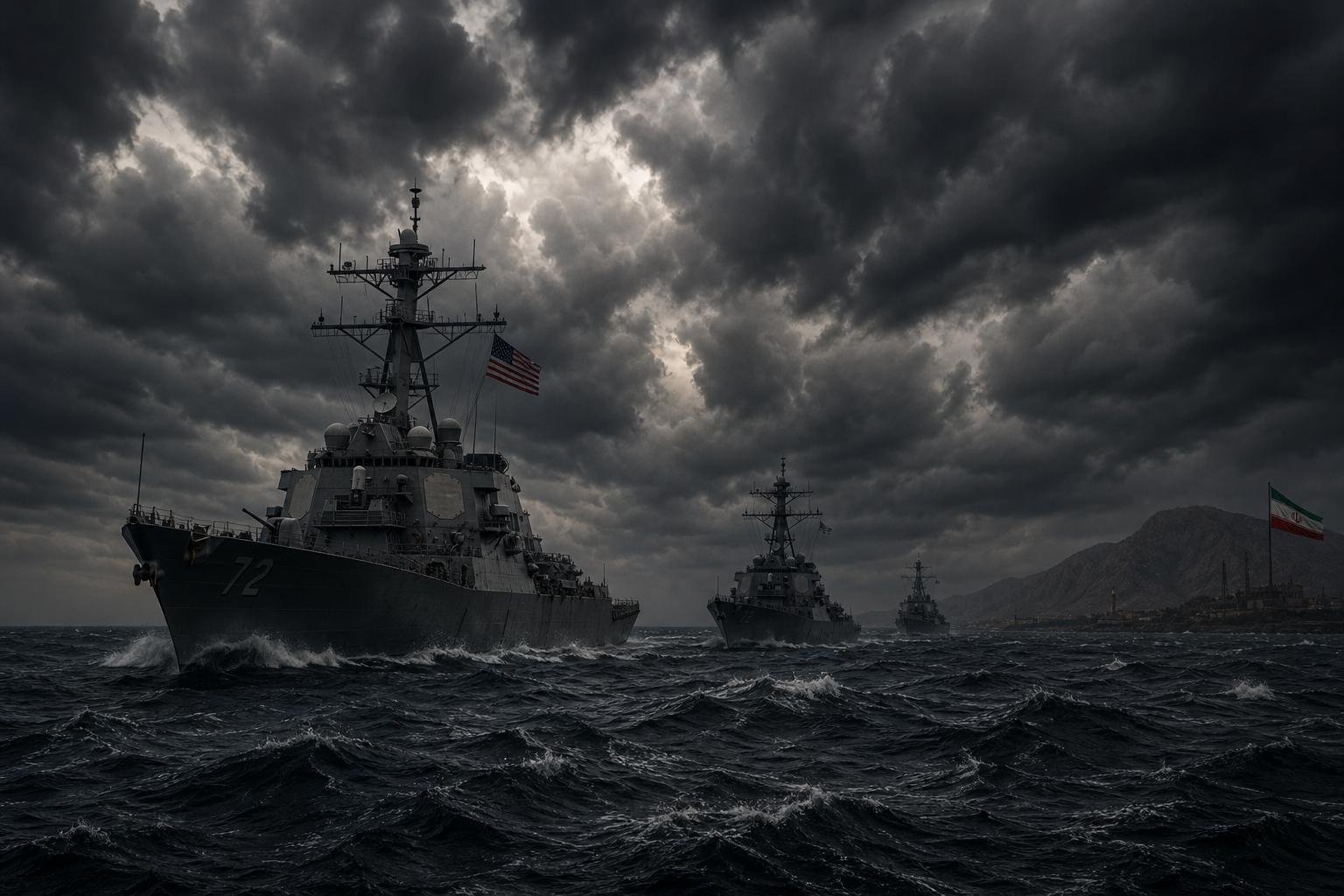
President Donald Trump has said the fragile ceasefire with Iran is now on “massive life support”, after rejecting Tehran’s latest peace overture and warning that the diplomatic space between the two sides is rapidly narrowing.
According to the account in The Washington Post, Iran had put forward a broad package that would have tied a halt in hostilities to the release of frozen assets, sanctions relief and renewed talks over its nuclear programme. Trump dismissed the prop...
Continue Reading This Article
Enjoy this article as well as all of our content, including reports, news, tips and more.
By registering or signing into your SRM Today account, you agree to SRM Today's Terms of Use and consent to the processing of your personal information as described in our Privacy Policy.
osal as unacceptable, with one report saying he described it as “garbage”.
The US position appears to be far tougher. Washington is now insisting on the complete dismantling of Iran’s nuclear infrastructure and an end to all uranium enrichment, with any easing of sanctions dependent on verified compliance. An earlier attempt at a 14-point understanding, which would have required Iran to accept a suspension of enrichment, also seems to have gone nowhere.
Axios reported that, as of May 12, Trump was actively weighing a return to military pressure after negotiations stalled. The outlet said his national security team, including Vice President JD Vance, Secretary of State Marco Rubio and Defence Secretary Pete Hegseth, had met to discuss possible next steps, including reviving “Project Freedom”, a naval operation in the Strait of Hormuz.
That waterway remains central to the confrontation. The strait is one of the world’s most important energy chokepoints, carrying a substantial share of global oil shipments and serving as a strategic lever for both Tehran and Washington. Any escalation there would risk disrupting trade well beyond the region.
The standoff is also feeding into wider concerns about sanctions enforcement. US authorities have long accused Iranian-linked networks of using cryptocurrency to move funds around restrictions, and fresh pressure on Tehran has already led to renewed scrutiny of digital assets. In April, the Office of Foreign Assets Control expanded sanctions tied to the Central Bank of Iran, while Tether and US officials froze $344 million in USDT linked to Iranian financial activity, according to reporting cited by CryptoTimes.
Outside the nuclear file, Iran is already facing a wider tightening of Western pressure. The UK last week announced sanctions on nine individuals and three organisations over alleged Iran-linked hostile activity, including accusations of violent operations and the use of criminal networks, according to the Associated Press.
Taken together, the developments point to a deteriorating diplomatic track and a growing likelihood that the dispute could shift further towards coercion. For now, the ceasefire remains in place, but the language from Washington suggests that its durability is increasingly in doubt.
Source: Noah Wire Services