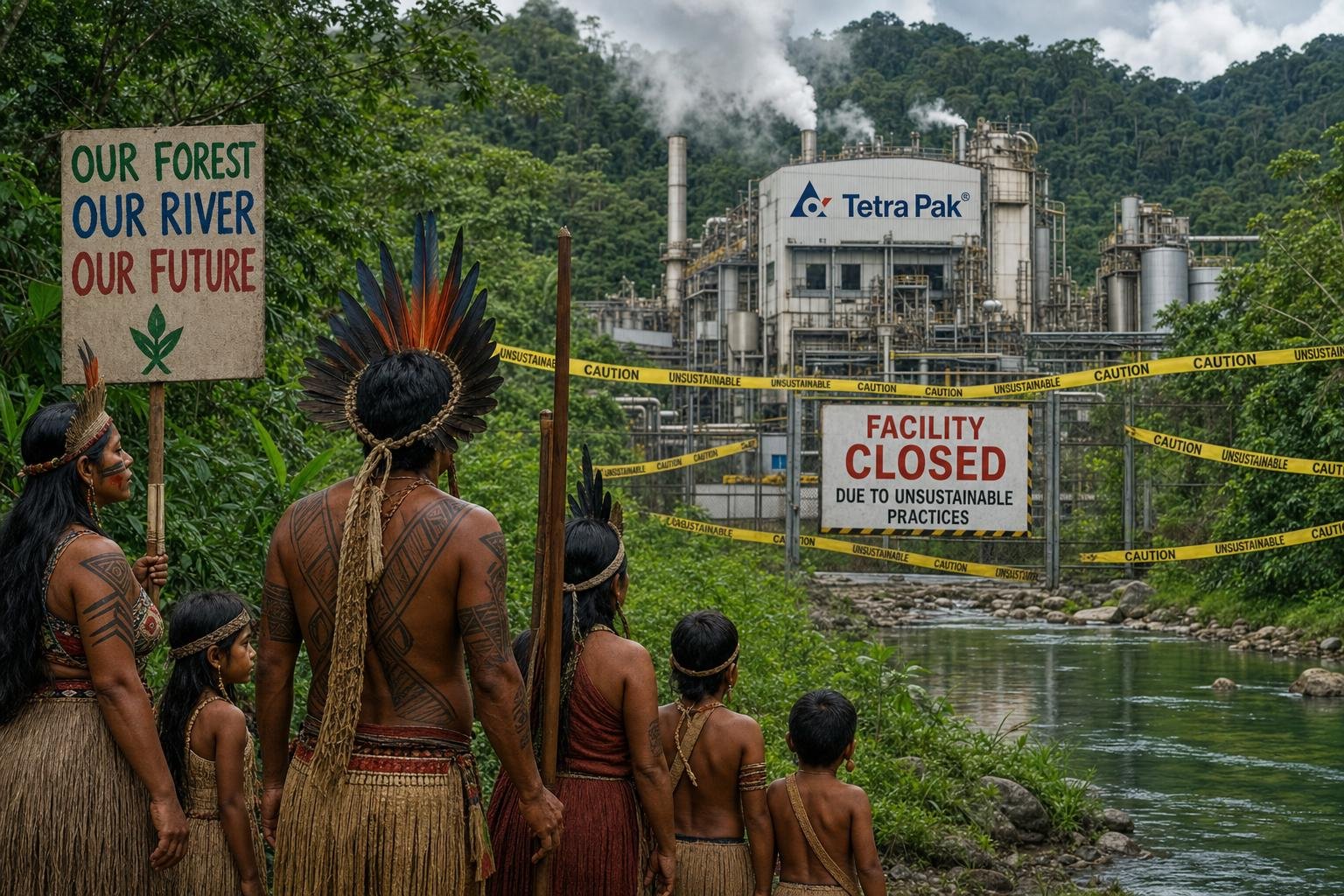
Tetra Pak has tightened its environmental strategy with a refreshed “Approach to Nature” framework that places far greater pressure on suppliers to prove how raw materials are produced and where they come from.
The revision, announced by the company, builds on work carried out over the past two years and shifts the focus towards the parts of the supply chain that carry the greatest environmental risk. Rather than relying on broad sustainability commitments, the upda...
Continue Reading This Article
Enjoy this article as well as all of our content, including reports, news, tips and more.
By registering or signing into your SRM Today account, you agree to SRM Today's Terms of Use and consent to the processing of your personal information as described in our Privacy Policy.
ted framework concentrates on specific materials, locations and supplier sites where biodiversity loss, deforestation and water stress are most acute.
According to Tetra Pak, one of the biggest changes is the use of geographic information systems to check whether sourcing linked to forests and agricultural land is genuinely free from deforestation. That means suppliers of paper-based packaging materials will face more detailed scrutiny over land use, traceability and verification, with the company seeking field-level evidence rather than general assurances.
Water is another major part of the revision. Tetra Pak said it is targeting suppliers in high-risk watersheds and wants to cut total industrial water withdrawals by 10% by 2030 at those exposed sites. The company is also asking more of suppliers on water quality and consumption data, as it looks to identify where its material and ingredient inputs create the highest pressure on local ecosystems.
Francesca Priora, vice-president of climate and nature at Tetra Pak, said the company wanted to direct resources to the places where action could have the greatest effect. She said the food packaging industry depends on healthy natural systems and stressed the need to work closely with commercial partners to protect ecosystems and reduce exposure to climate-related disruption.
The refreshed framework also reflects what Tetra Pak says it has learned from implementation of its earlier strategy. The company says the new version is designed to turn those lessons into clearer expectations for suppliers, with tighter requirements around traceability, measurable outcomes and responsible sourcing.
Tetra Pak points to some existing progress as evidence that the approach is already taking hold. It says all of its paper-based materials now come from Forest Stewardship Council-certified or controlled sources, while its plant-based polymers are Bonsucro-certified. The company also says it has reached its 2030 target for reducing volatile organic compound emissions at its own factories ahead of schedule, cutting them by half compared with 2019 levels.
The revised nature framework sits alongside Tetra Pak’s wider sustainability strategy, which the company says is shaped by its goal of making food safe and available everywhere while protecting the planet. That broader agenda was informed by its first double materiality assessment in 2023, which identified 21 material topics across environmental, social and governance issues.
The update also signals a wider change in corporate sustainability, with large manufacturers increasingly moving from broad pledges to location-specific controls and supplier-level accountability. For Tetra Pak, that appears to mean a stronger link between future purchasing decisions and evidence that materials are being sourced without damaging forests, water resources or other vulnerable natural systems.
Source: Noah Wire Services