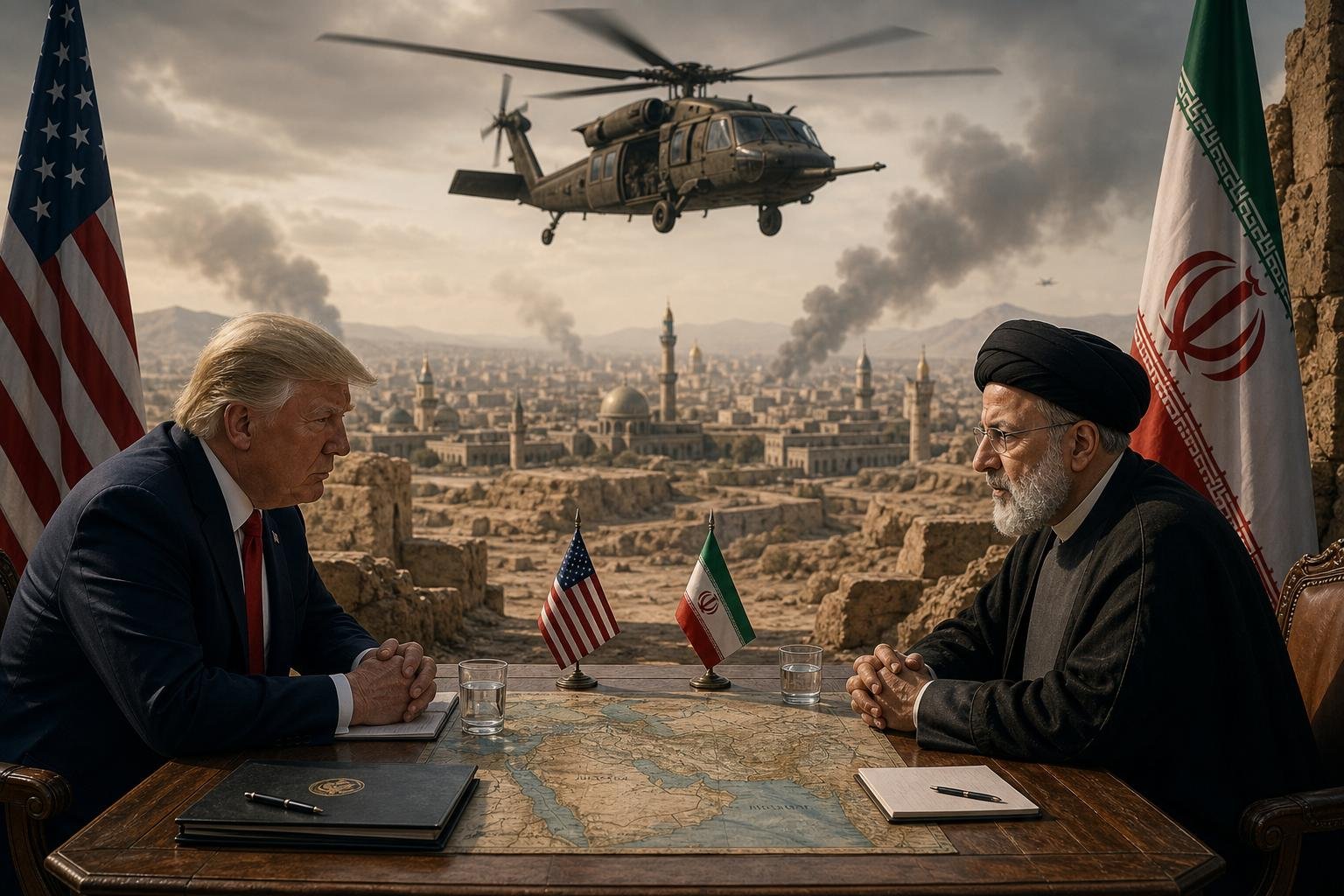
Iran has reportedly put forward a fresh set of demands to Washington that would go far beyond the nuclear issue, seeking the withdrawal of US forces from areas near its borders, compensation for damage from the recent US-Israeli war, the lifting of sanctions, the release of frozen assets and an end to the maritime pressure on traffic in the Strait of Hormuz.
That account comes amid a sharp exchange of claims over the state of the talks. Donald Trump has said Iran has “agreed ...
Continue Reading This Article
Enjoy this article as well as all of our content, including reports, news, tips and more.
By registering or signing into your SRM Today account, you agree to SRM Today's Terms of Use and consent to the processing of your personal information as described in our Privacy Policy.
to everything”, including ending support for Hamas and Hezbollah and handing over enriched uranium, while also insisting that the current blockade on Iranian traffic in the Strait of Hormuz will remain until a deal is reached. In another recent statement, he said he was “100% confident” Tehran would stop enriching uranium and surrender its remaining stockpiles.
Iran’s military has responded with defiance. Army spokesman Mohammad Akraminia warned that if hostilities resumed, the country would open “new fronts”, language that underlines how fragile the diplomacy remains even as negotiations continue.
The latest manoeuvring reflects a familiar pattern in the long standoff over Iran’s nuclear programme and regional network of armed groups. US officials have previously described the 2015 nuclear accord abandoned by Trump as leaving Iran’s programme unconstrained, with less monitoring and visibility than before. More recently, a fifth round of US-Iran talks in Rome ended without a final agreement, although American officials said the discussions had been better than expected and left open the possibility of further steps.
There has also been reporting that Tehran might be willing to pause enrichment under a political arrangement if Washington releases frozen Iranian funds and recognises a civilian enrichment right. But the demands now being attributed to Iran suggest that, even if some technical understanding is possible, the wider political gap remains vast.
Supporters of a harder line argue that this is precisely the problem: they say Iran is buying time, not genuinely changing course. In that view, the leadership in Tehran is under severe economic and political strain, and its negotiating posture is designed to gain relief without giving up the tools that sustain its power, including enrichment capability and backing for proxy forces.
The Strait of Hormuz remains central to that contest. Any disruption there would have global consequences, and the demand for an end to pressure on shipping shows how much leverage both sides believe they still hold. For now, the diplomacy appears to be moving in parallel with threats, not replacing them.
Source: Noah Wire Services