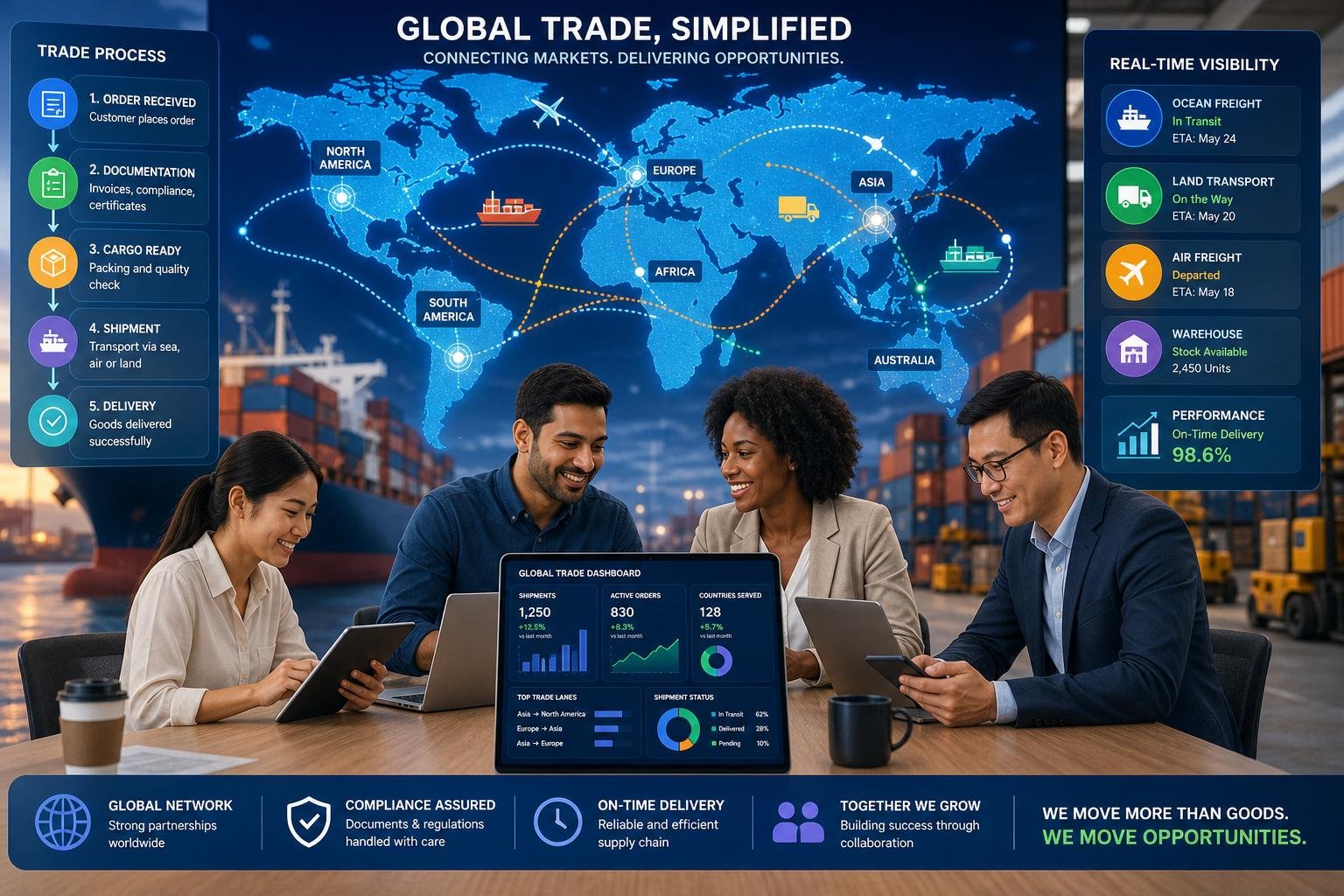
DocShipper has launched a client platform it says is designed to pull sourcing, freight forwarding, quality control and customs work into one digital environment, as the company looks to simplify cross-border trade for smaller businesses and mid-market importers.
The move reflects a wider problem in international commerce: many startups and SMEs still rely on a patchwork of email, messaging apps, spreadsheets and separate carrier portals to manage shipments, documents and suppl...
Continue Reading This Article
Enjoy this article as well as all of our content, including reports, news, tips and more.
By registering or signing into your SRM Today account, you agree to SRM Today's Terms of Use and consent to the processing of your personal information as described in our Privacy Policy.
ier relationships. According to DocShipper, that fragmentation can turn routine logistics into a scaling bottleneck, especially when inventory delays quickly affect cash flow and customer commitments.
The company’s new system brings supplier search, product sampling, negotiation tracking and compliance checks into a single workflow. It is aimed at firms sourcing from manufacturing hubs such as China, Vietnam, Malaysia and Morocco, where the number of moving parts tends to grow rapidly once businesses expand beyond a handful of suppliers. DocShipper says the platform is intended to give procurement teams a clearer view of supplier performance and production status, while reducing the risk of details being lost across disconnected tools.
Quality control is another core part of the offering. The platform integrates inspection work into the wider logistics process so that pre-shipment reports can be reviewed before goods leave the factory. DocShipper argues that catching defects early is far less costly than discovering them after arrival, particularly for companies launching new products or moving into larger volumes.
On the transport side, the system covers ocean freight, air freight and multimodal shipments, with real-time tracking, milestone updates and ETA alerts presented in one dashboard. The company says this is intended to remove the need for users to jump between different carrier or forwarding portals, especially for firms shipping into multiple markets.
Customs handling is also central to the platform. DocShipper says it includes a document vault for commercial invoices, packing lists, certificates of origin, bills of lading and other compliance files, with material checked against destination-country requirements. The company claims this should make it easier to respond quickly when customs authorities request paperwork and to spot regulatory changes before they trigger delays.
According to DocShipper’s announcement, the platform also offers consolidated reporting on freight costs, transit times, supplier performance and landed cost breakdowns. That, it says, should give founders and operations teams more visibility over supply chain performance without relying on manual reporting.
A distinguishing feature of the model is that it combines software with human support. DocShipper says multilingual logistics specialists remain available to handle exceptions such as customs holds, supplier production problems or port delays. In practice, the company is positioning the platform as a hybrid between SaaS-style visibility and hands-on forwarding expertise.
The company’s roadmap points to a more automated future. Planned features include AI-driven customs duty calculations, transit-time forecasting based on congestion and carrier data, instant freight pricing and routing advice that weighs up cost, speed and reliability. If delivered, those tools would move the platform beyond operational coordination towards predictive supply chain management.
For now, DocShipper is presenting the launch as a response to a familiar pain point in global trade: the fact that logistics complexity often grows faster than internal capacity. Its pitch is that centralising sourcing, transport and customs in one place can help smaller businesses scale without turning every new shipment into a fresh administrative exercise.
Source: Noah Wire Services