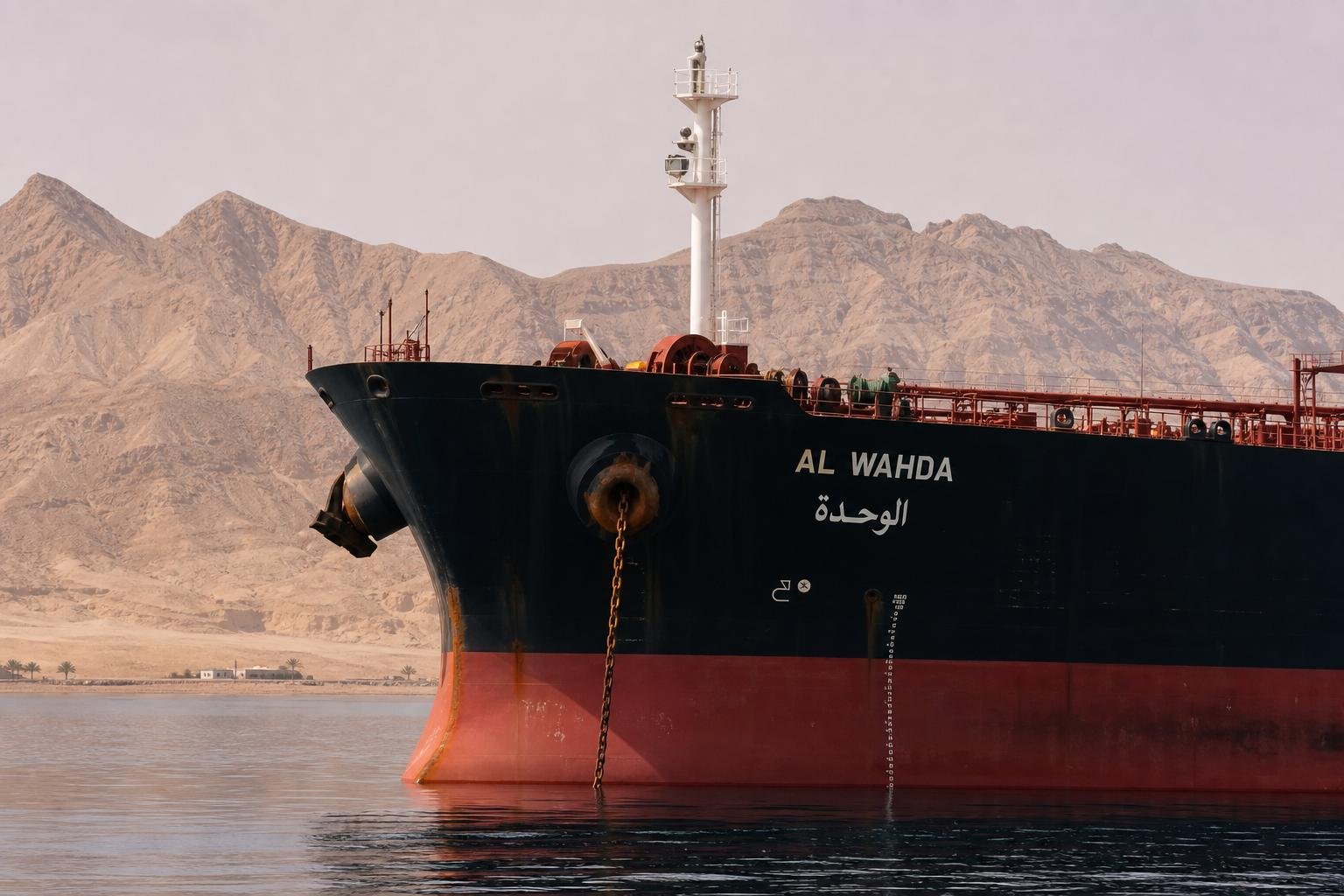
The feared shock from the Israel-Iran war has so far proved less catastrophic than many analysts expected, even though the conflict has disrupted flows through the Strait of Hormuz and rattled energy markets. The International Energy Agency had warned of what it called the biggest energy crisis on record, with roughly a fifth of the world’s LNG trade and about a quarter of seaborne oil supplies potentially exposed. Yet, after an initial surge in panic, crude prices have eased fr...
Continue Reading This Article
Enjoy this article as well as all of our content, including reports, news, tips and more.
By registering or signing into your SRM Today account, you agree to SRM Today's Terms of Use and consent to the processing of your personal information as described in our Privacy Policy.
om their highs and the system has so far avoided a full-scale breakdown.
That relative calm, however, is looking increasingly fragile. Brent has fallen back from the peak levels reached as markets first priced in the risk of a prolonged regional war, and reports from World Oil and other energy outlets suggest traders remain highly sensitive to any sign of diplomacy. When President Donald Trump said talks could take place to end the conflict, Brent at one point fell sharply, underscoring how quickly sentiment can shift. But the underlying problem has not gone away: tanker traffic through the Strait of Hormuz remains constrained, and physical market conditions are still tight.
Four factors have helped prevent an even larger crisis. First, traders appear to be betting the conflict will not last long enough to cause sustained damage to supply chains. Second, producers outside the Middle East have stepped in to lift output. Third, demand has weakened as higher prices and emergency conservation measures bite. Fourth, countries have been drawing down inventories and strategic reserves to bridge the gap.
The first of those factors is the easiest to overstate. Markets have been calmer than many forecasts implied, but they are not relaxed. Oilprice.com has reported that physical crude premiums have collapsed from a steep war-related spike to near parity with Brent, largely because refiners have delayed buying, cut runs and leaned on stockpiles. That does not mean the pressure has disappeared; rather, it suggests buyers are using every available buffer while they wait to see whether shipping routes fully normalise.
A second reason prices have not run even further is the response from other exporters. With supply from parts of the Middle East disrupted, producers in the Americas have increased output, helping to soften the blow. The United States, Argentina, Brazil and Guyana have all raised production, while earlier sanctions relief on Russian crude temporarily added to global availability. Even so, Russian infrastructure has faced repeated attack from Ukrainian drones, leaving that cushion uncertain.
Demand has also softened. According to the latest market assessments, global oil use is expected to fall by more than 2% this quarter, with the sharpest weakness concentrated in developing Asian economies that depend heavily on Middle Eastern crude. A broad set of governments have introduced emergency measures to trim consumption, while the usual seasonal patterns are also beginning to matter. In Australia, for example, jet fuel demand has fallen, even as diesel usage has held up or risen, reflecting how uneven the response to high prices can be.
The biggest short-term buffer has been stockpiles. The IEA coordinated what it described as the largest release of global oil inventories on record in March, a move that appears to have done most to plug the supply hole. China, which holds the world’s largest oil import volumes and has built vast reserves, has also been drawing down stock. Industry reports say those buffers are now thinning fast, with global inventories close to an eight-year low and some analysts warning that reserve cover could become uncomfortable if disruption continues into the northern hemisphere summer.
That timing matters. In the United States, the Memorial Day weekend marks the start of peak driving season, and higher domestic consumption could leave less crude available for export. If the conflict persists, the cushion created by stockpiles, demand restraint and spare production elsewhere could narrow quickly. Analysts at JP Morgan have warned that supplies in richer countries could tighten further in early June, and that by September reserves might fall to levels that begin to strain economic activity.
For now, the crisis has been most visible in poorer countries, where queues for petrol and diesel have become a familiar sign of strain. Richer economies have so far managed to shield themselves, but the protection is temporary. The core risk is that the market’s current assumption – that the war and the shipping disruption will fade before inventories are exhausted – may prove optimistic. If Middle Eastern oil stays off the market for much longer, the world may yet discover that the worst-case scenario was only postponed, not avoided.
Source: Noah Wire Services