Paper still has a stubborn hold on many factory floors, even as manufacturers invest in automation, analytics and connected systems. In day-to-day operations, teams often continue to rely on handwritten inspection sheets, maintenance checklists and shift logs because they are familiar, quick to deploy and require little training. But that convenience comes at a cost: information collected on paper is usually entered into digital systems later, creating delays that can leave managers r...
Continue Reading This Article
Enjoy this article as well as all of our content, including reports, news, tips and more.
By registering or signing into your SRM Today account, you agree to SRM Today's Terms of Use and consent to the processing of your personal information as described in our Privacy Policy.
eacting to problems after they have already affected output, quality or uptime.
Those delays can be costly. Handwritten notes are often incomplete or hard to read, and each extra step of re-keying data introduces the risk of transcription mistakes. By the time a report is collected, reviewed and entered into an ERP system, a minor equipment fault may have become a breakdown, a quality issue may have spread through a batch, or an inventory discrepancy may have disrupted production planning.
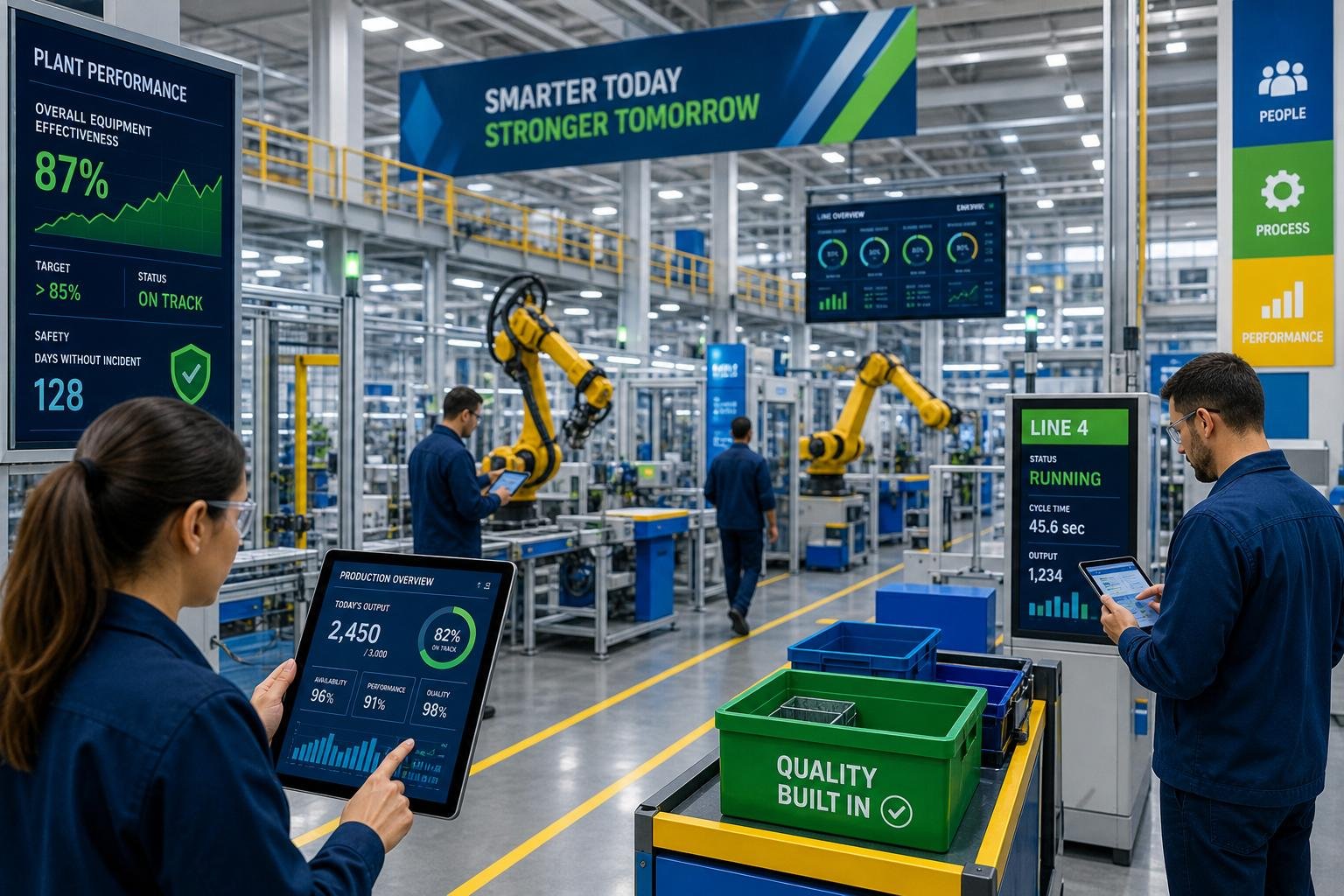
Manufacturing apps are increasingly being used to close that gap. Instead of replacing familiar shop-floor processes outright, these tools digitise them. Workers can complete inspections, safety audits, production reports and maintenance checks on tablets or smartphones, following the same workflows they used on paper, but with the data captured instantly and in a structured format. Many systems also allow operators to attach photographs, scan barcodes, record timestamps automatically and add digital signatures, giving supervisors a fuller picture of what is happening on the line.
The real advantage comes when those forms are connected directly to an ERP platform. Data entered at the point of work can flow straight into enterprise systems without waiting for manual entry, giving production, quality and maintenance teams a more current view of operations. That improves visibility across shifts and sites, speeds up decision-making and helps managers spot bottlenecks, defects or equipment problems sooner.
Industry examples suggest the shift can be effective. Devoteam has described how Dymo, the label manufacturer, worked to eliminate paper from its Belgium plant by linking SAP ERP to automated machinery, creating a more paperless flow of production information and improving its ability to respond to market demand. The broader case for automated capture is also reflected in manufacturing software providers, which argue that removing manual documentation frees operators to focus on production rather than paperwork.
For many factories, the attraction is not a dramatic overhaul but a gradual transition. Digital reporting tools can be introduced one workflow at a time, starting with areas such as equipment inspections or safety audits and expanding as teams gain confidence. That approach allows manufacturers to modernise reporting without discarding existing systems, which is often important in plants where ERP platforms and production software are already deeply embedded.
The result is not just faster reporting, but better data. When information is collected consistently and in real time, manufacturers can analyse trends more effectively, identify recurring faults, improve maintenance planning and strengthen quality control. In an environment where margins are tight and downtime is expensive, replacing paper shop-floor reports with ERP-connected apps is becoming less of a technology project and more of an operational necessity.
Source: Noah Wire Services