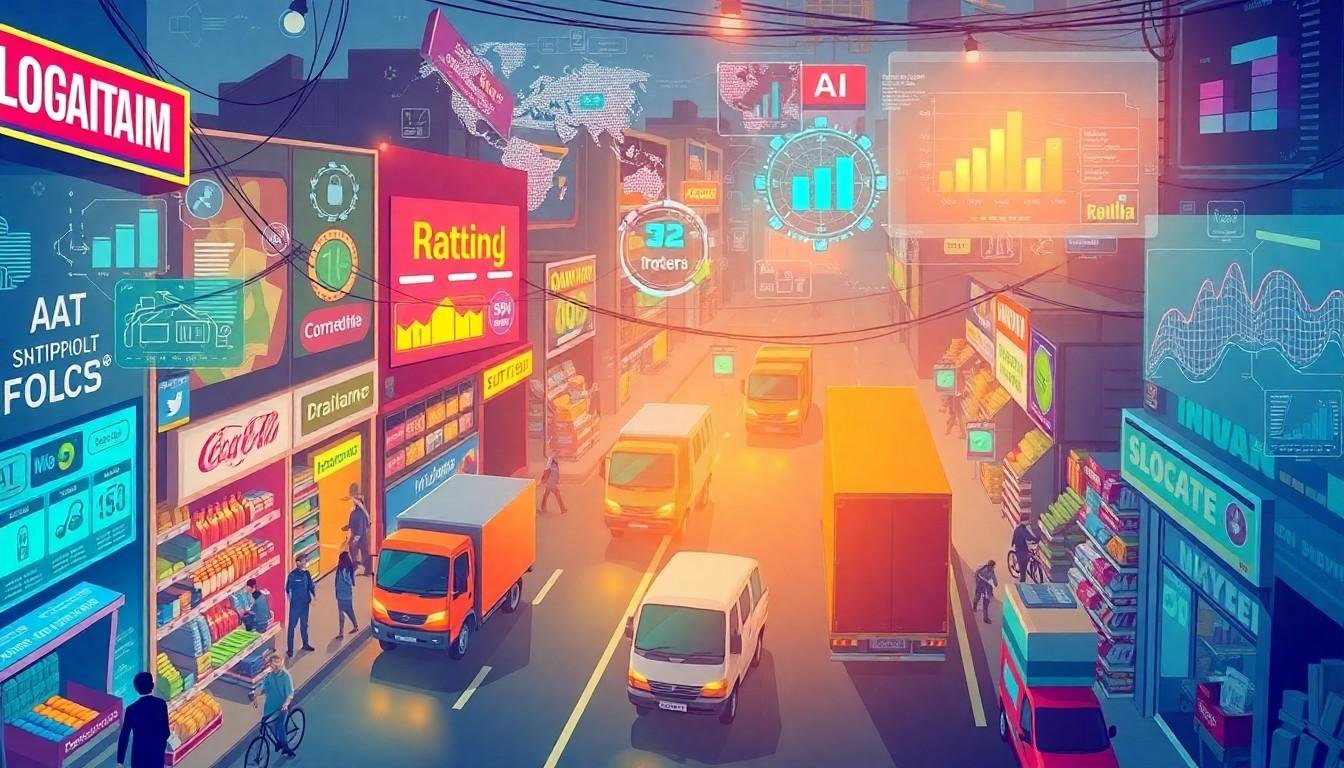
A decade ago, a kirana shop running short of stock on a busy Saturday evening would often have had no option but to wait. Today, in parts of India, the retailer can place an order through an app and receive replenishment by the next morning. That shift is becoming increasingly visible across the country’s FMCG and beverage supply chains, where digital ordering, AI-led planning and real-time retail data are steadily reshaping distribution.
Hindustan Unilever’s Shikhar platfo...
Continue Reading This Article
Enjoy this article as well as all of our content, including reports, news, tips and more.
By registering or signing into your SRM Today account, you agree to SRM Today's Terms of Use and consent to the processing of your personal information as described in our Privacy Policy.
rm illustrates how quickly these systems are evolving. What began as a basic digital ordering channel for retailers has developed into a much broader retail network. In 2025, the company added generative AI to the platform, allowing retailers to turn a product image into a promotional video at no cost. In selected cities, its redesigned warehouse model, Samadhan, has shortened delivery times to next day fulfilment, reducing the gap between order and replenishment for small stores with limited space and cash flow.
The same broad shift is visible in beverages. Coca-Cola India’s Coke Buddy platform gives kirana retailers a self-service ordering option while also simplifying interactions with the company’s sales teams. The bottling network has also begun using AI tools to improve field sales and retail execution, including systems that suggest orders based on sales patterns, outlet potential, stock levels and demand behaviour. At store level, image-recognition tools can now read cooler contents in real time, helping sales teams see what is actually available on shelves rather than relying on delayed reports.
But the most important gains are not only in ordering speed. The tougher challenge is predicting demand before shelves go empty or warehouses fill with the wrong stock. In India, more than 80% of FMCG volume still moves through general trade with little digital visibility, creating a persistent blind spot for companies trying to balance availability against waste. Industry estimates suggest the cost of stock-outs and excess inventory runs into tens of thousands of crore rupees a year. AI adoption in supply chain planning is rising by more than 30% annually, but many firms are still learning how to deploy it effectively.
For beverage companies, the value of better forecasting is especially clear. Demand can swing sharply with weather, seasons and festival calendars. A heatwave can send sales surging, while monsoon periods can slow them. Systems that can recognise these patterns and adjust replenishment automatically are increasingly central to keeping products available when shoppers want them.
Even so, technology is not replacing the distributor-retailer relationship that has underpinned India’s trade for decades. Trust, local knowledge and personal contact still matter. What AI is changing is the amount of guesswork involved. Sales representatives can spend less time chasing orders, retailers can get answers faster and companies can monitor demand with far greater precision. The firms treating these tools as core infrastructure, rather than optional add-ons, are likely to be the ones best placed to serve the last shop in the last lane with more speed and reliability.
Source: Noah Wire Services