Hyundai Engineering has signed a broad fair trade and mutual growth agreement with South Korea’s antitrust regulator in a move aimed at curbing unfair subcontracting practices and reducing the risk of financial shocks rippling through smaller suppliers, according to The Korea Times.
The pact, backed by the Fair Trade Commission, the Korea Specialty Contractors Association and 18 other large construction firms, is intended to help steady a sector long criticised for strained s...
Continue Reading This Article
Enjoy this article as well as all of our content, including reports, news, tips and more.
By registering or signing into your SRM Today account, you agree to SRM Today's Terms of Use and consent to the processing of your personal information as described in our Privacy Policy.
upply chains and uneven bargaining power. Under the arrangement, participating companies have pledged to stop withholding payments, introduce quicker price-adjustment systems when market conditions shift, and remove contract terms seen as exploitative.
The agreement comes at a time when the Fair Trade Commission has been pushing hard to improve payment discipline across the industry. In February, according to Asiae, the regulator said it had secured 3.5 trillion won in early subcontracting payments before the Lunar New Year holiday to ease cash-flow pressure on smaller firms. The same campaign found unpaid subcontracting sums of 10.38 billion won at Hyundai Engineering and 6.06 billion won at HJ Heavy Industries, underscoring the scale of the problem regulators are trying to address.
Hyundai Engineering used the occasion to highlight its own internal changes, saying it has been shifting more of the burden of rising logistics and material costs away from suppliers, including in response to disruptions linked to tensions in the Middle East. It has also moved up its payment timetable so that suppliers are paid before goods leave factories rather than after cargo is loaded onto ships.
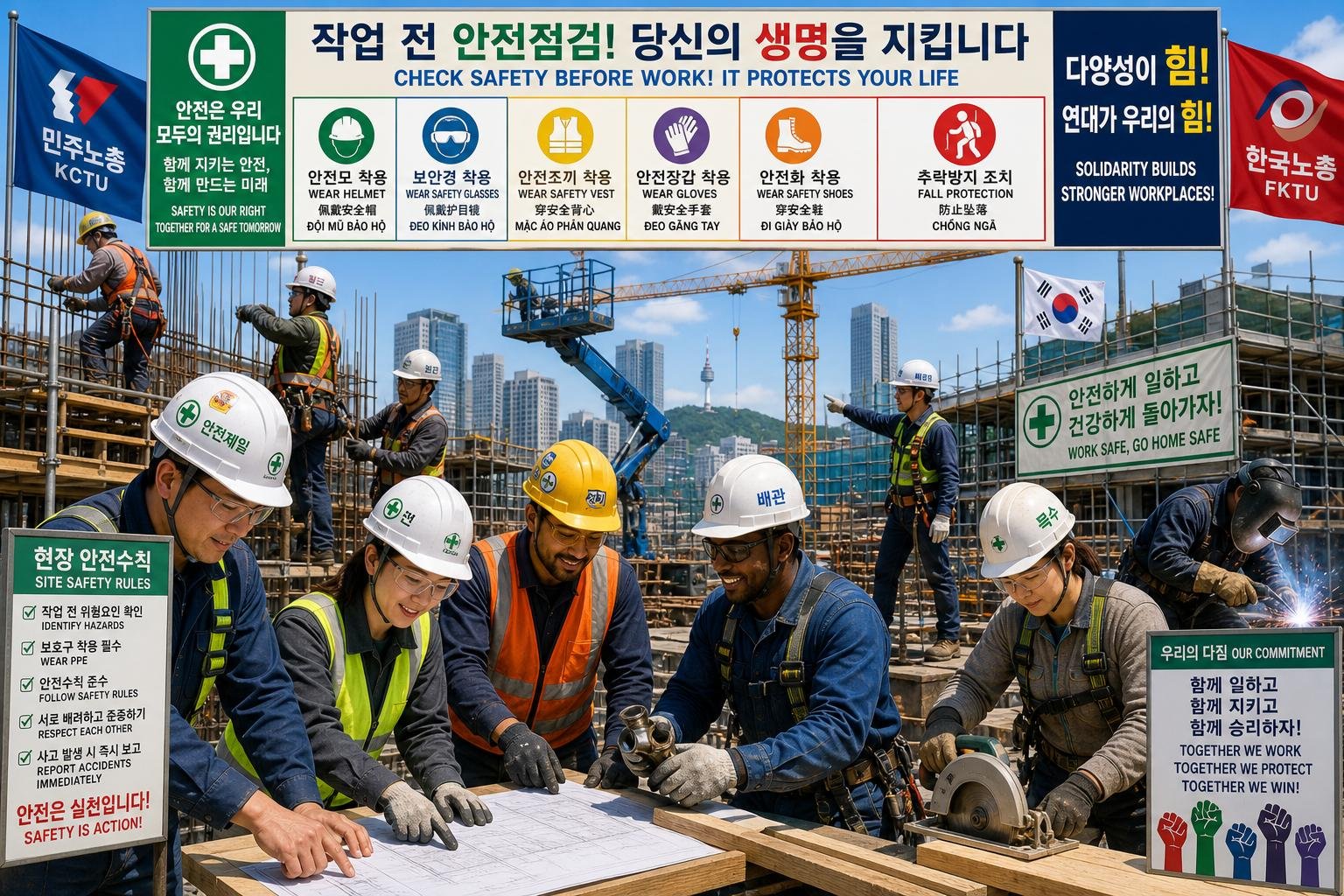
The company also linked its fair trade push to workplace safety, another persistent concern in South Korea’s construction sector. It said it has spent about 83 billion won above legal requirements on safety measures and reduced the ratio of workers to safety officers from 25 to 1 to 11 to 1.
Among its newer measures is a “stop-work loss compensation” scheme, which Hyundai says reimburses subcontractors for idle labour and equipment costs if work is suspended because of an immediate danger. The company says the policy is designed to remove one of the financial disincentives that can discourage firms from halting unsafe operations.
Hyundai’s stance is consistent with wider group-level governance pledges. Its supplier code of conduct requires timely payment, rejects arbitrary changes to agreed sums and bars conduct that distorts competition, while its fair trade compliance declaration sets out a formal compliance programme intended to reinforce transparency across business dealings.
“We intend to overcome current market hardships through close, mutual cooperation with our subcontractors,” a Hyundai Engineering official said. “By establishing fair trade practices and building genuine partnerships, we will foster a sustainable, shared growth culture within the construction industry.”
Source: Noah Wire Services