Two decades ago, a Home Depot executive dismissed the idea that logistics could become a source of competitive strength. At Modex 2026 in Atlanta, Richard McPhail, the retailer’s chief financial officer, said the opposite has since proved true: supply chain execution has become central to how the company wins business.
That shift is especially relevant for contractors, because Home Depot’s network now reflects how work actually gets done on jobsites rather than how products...
Continue Reading This Article
Enjoy this article as well as all of our content, including reports, news, tips and more.
By registering or signing into your SRM Today account, you agree to SRM Today's Terms of Use and consent to the processing of your personal information as described in our Privacy Policy.
once moved through retail. What began as an effort to improve store replenishment has evolved into a vast delivery system built around contractors, scheduled drops and direct-to-site fulfilment. The company says more than half of its sales now come from professional customers, making reliability and timing as important as assortment.
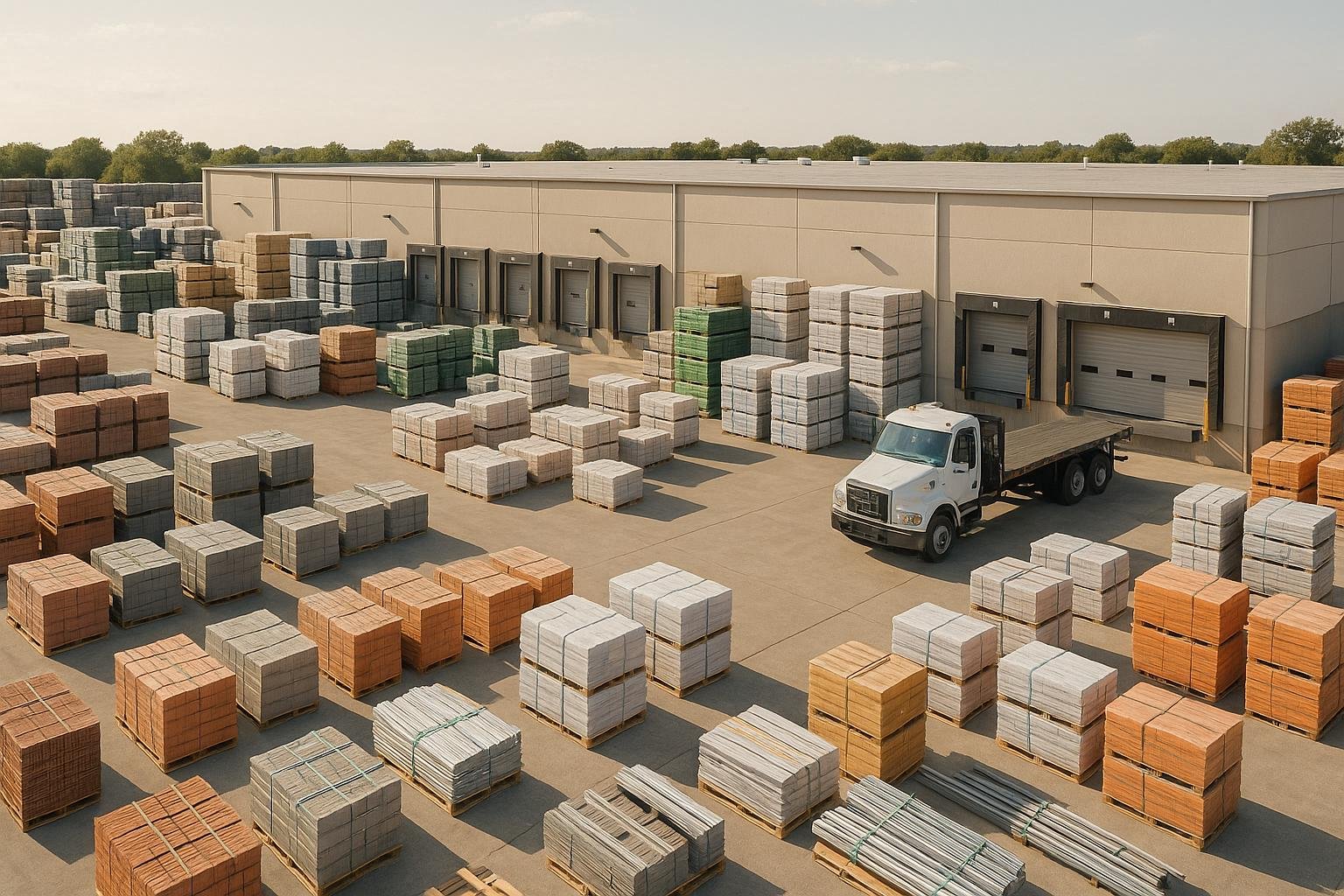
The scale of that transformation is considerable. Home Depot has built out 17 flatbed distribution centres designed for contractor freight, each about 1 million square feet and able to stage dozens of trucks at once. It also operates direct fulfilment centres for its online business, market delivery operations for same-day bulky items and a network expanded by the acquisitions of SRS Distribution and GMS. Those deals added more than 1,250 customer delivery branches, strengthening the company’s reach into roofing, drywall and other specialist trades. A pending HVAC distribution agreement is set to add further locations.
Industry coverage has tracked the same broader trend: delivery is no longer just about speed, but about fit. For interior trades and other project-based businesses, the value increasingly lies in scheduled arrival windows, bulk staging and shipments timed to installation phases. That reduces downtime, keeps crews moving and gives contractors more control over workflow.
McPhail framed the lesson in practical terms. First, supply chain plans have to start with the customer problem, not the technology. Second, systems need flexibility because demand patterns can change abruptly, as they did during the pandemic. Third, companies should assume delivery expectations will keep tightening. What counted as fast a few years ago is now often too slow. Home Depot’s stores, once seen mainly as retail outlets, are now an important part of its last-mile network.
The company’s sourcing strategy has also become more defensive. Home Depot has spent more than a decade diversifying suppliers, and tariff volatility has accelerated that work. McPhail said the company is working towards a position where no single country represents more than 10% of total purchases. With more than half of products already sourced in the United States, the remaining import exposure is still large enough to matter, especially for categories that depend on overseas supply chains.
That is why Home Depot emphasises visibility down to the stock-keeping unit, tracking country of origin, product cost and logistics cost for individual items. In periods of disruption, the company says, that kind of data helps it react quickly and identify where risk sits before shortages or price increases cascade through the business. Strong relationships with carriers and suppliers also remain a critical buffer when supply tightens.
Technology is supporting that effort, but not replacing it. McPhail described robotics as a way to reduce repetitive heavy lifting and improve safety in large fulfilment centres. Automation is helping the company use warehouse space more efficiently. Artificial intelligence, meanwhile, is being applied to fulfilment decisions and routing, helping determine where an order should ship from and how delivery windows can be narrowed without adding unnecessary cost.
For contractors, the broader message is clear. The supply chain is no longer just a back-office function; it is becoming part of the service promise. The companies that can deliver the right materials to the right place at the right time will be better placed to protect margins, keep crews productive and manage volatility. Home Depot’s experience suggests that logistics, once treated as a cost centre, can become a strategic advantage when it is built around the needs of the customer.
Source: Noah Wire Services