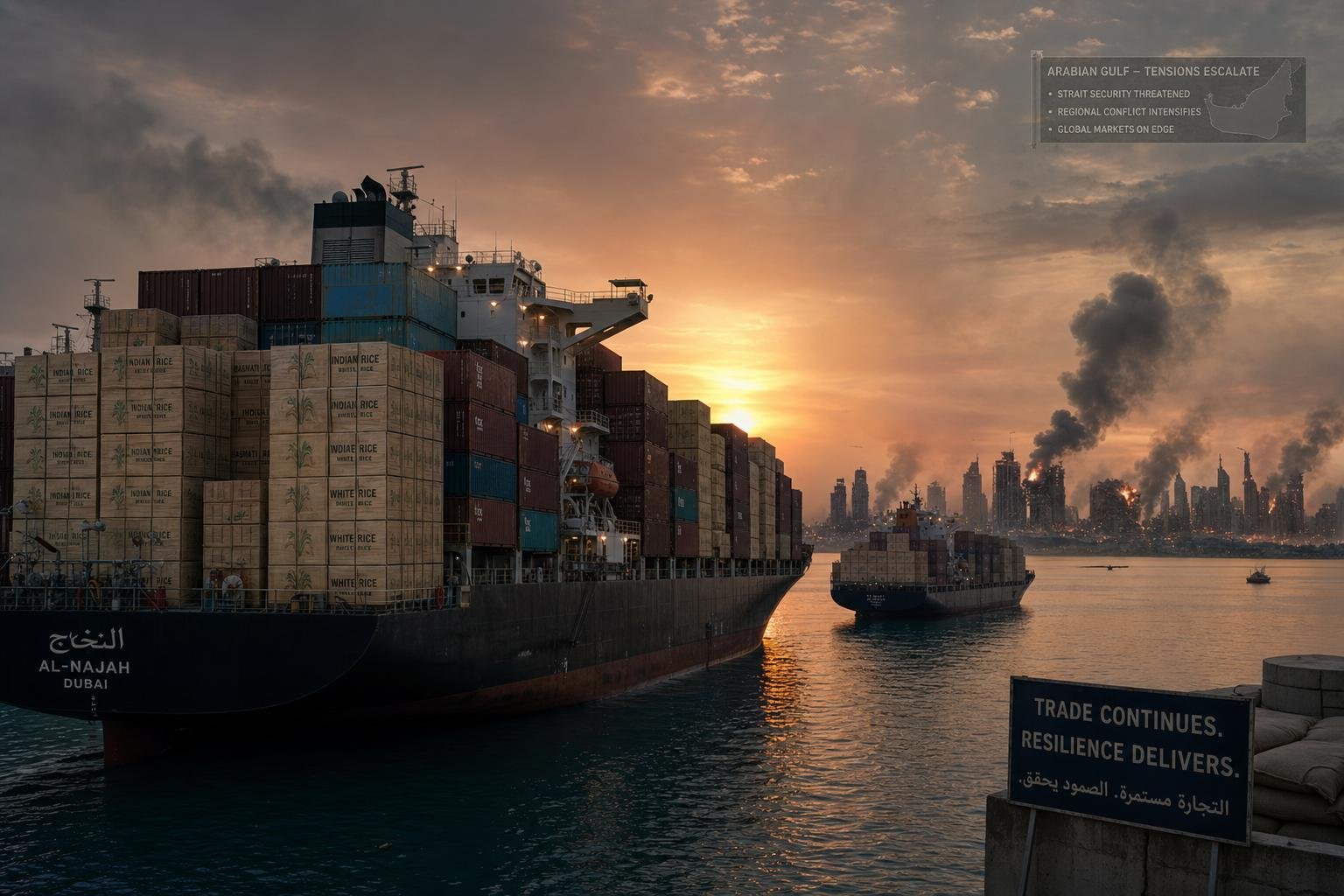
India’s rice exports eased in the first four months of 2026 as the war between Iran and the US and Israel disrupted premium basmati shipments to Gulf buyers, according to government officials and exporters.
The decline was modest in volume terms, but it matters because India is the dominant force in global rice trade, accounting for more than 40% of exports and shipping more than Thailand, Vietnam and Pakistan combined. Government data cited by Reuters shows total rice export...
Continue Reading This Article
Enjoy this article as well as all of our content, including reports, news, tips and more.
By registering or signing into your SRM Today account, you agree to SRM Today's Terms of Use and consent to the processing of your personal information as described in our Privacy Policy.
s from January to April slipped 1.3% from a year earlier to 8.39 million metric tonnes.
The weakness was concentrated in basmati, the higher-value aromatic variety that is heavily tied to Middle Eastern demand. Exports of basmati rice fell 7% over the period to 2.3 million tonnes, as sales to markets including Iran dropped. Non-basmati shipments, by contrast, edged up to 6.09 million tonnes from 6.03 million tonnes a year earlier.
Exporters said the conflict has delayed cargoes bound for Iran, Iraq, Qatar and Saudi Arabia, with buyers and sellers holding back on fresh deals until shipping conditions improve. Rising insurance and freight costs have also made trade more difficult, particularly after airstrikes escalated tensions and disrupted maritime traffic through the Strait of Hormuz.
Industry estimates suggest the strain is already visible in the supply chain. NDTV reported that nearly 400,000 tonnes of basmati rice are stranded either at sea or in ports, underlining the extent of the disruption faced by millers, exporters and farmers.
The setback comes after a record Indian rice harvest, which has already pushed domestic prices down by more than 5% this year. Lower exports are likely to add further pressure on local markets.
India’s basmati trade is especially exposed to the Gulf. Saudi Arabia has overtaken Iran as India’s biggest basmati customer, but Iran remained a major destination until last year. Meanwhile, non-basmati rice, which is mainly shipped to African and Asian buyers such as Bangladesh, Benin, Ivory Coast, Guinea and Cameroon, has also been hit by higher freight costs and weaker demand from some African importers.
For now, exporters expect trade to remain subdued as long as the conflict continues, leaving one of India’s most important agricultural export sectors vulnerable to a geopolitical shock far from the paddy fields where the crop is grown.
Source: Noah Wire Services