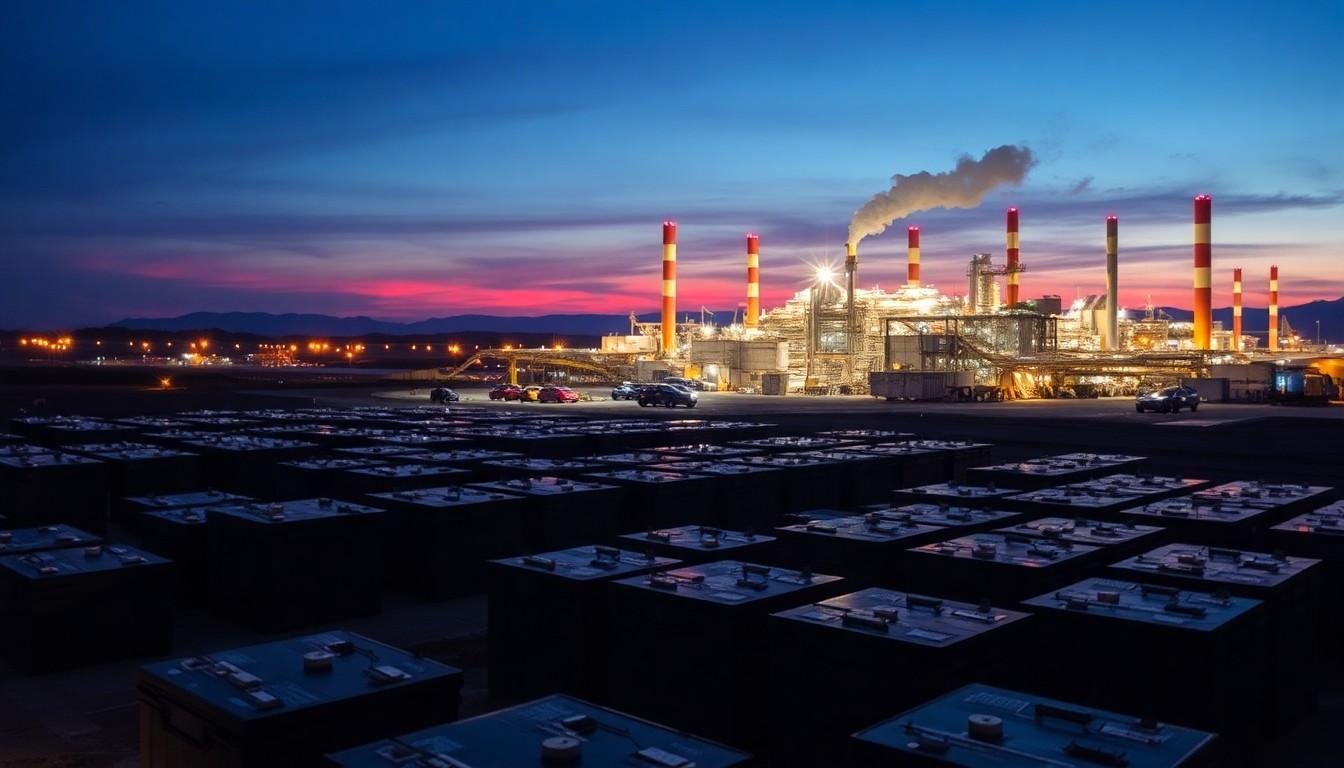
The global electric vehicle industry is being reshaped by a wave of large battery supply agreements that are turning gigafactories into strategic assets rather than simple manufacturing sites. What once looked like a straightforward buyer-seller relationship has become a form of industrial partnership that can determine which carmakers move fastest into electrification and which fall behind.
According to Battery Tech, American Battery Factory has secured binding offtake agreeme...
Continue Reading This Article
Enjoy this article as well as all of our content, including reports, news, tips and more.
By registering or signing into your SRM Today account, you agree to SRM Today's Terms of Use and consent to the processing of your personal information as described in our Privacy Policy.
nts for cathode, anode and precursor chemicals from its planned Tucson gigafactory in Arizona. The proposed plant, which would cover 1.2 million square feet, is expected to produce 30GWh of lithium-ion battery cells a year, with more than 20,000 metric tonnes of cathode active materials set to be delivered over the first five years. The company says the deals give it a more reliable route to market while offering customers a lower-carbon supply chain for key battery inputs.
The scale of these arrangements reflects how much capital is now required to build battery production at industrial scale. In many cases, automakers are no longer just placing orders; they are helping to finance plants, locking in pricing over long periods and, in some instances, taking equity stakes. That shift has made battery security central to EV strategy, especially as manufacturers look to avoid shortages, delays and cost volatility.
Tesla helped establish the template. Its early push for vertical integration set the tone for an industry in which control over cells, packs and drivetrains became a competitive advantage. Reuters has previously reported on Tesla’s deep in-house production culture, and later examples show how that approach has spread into more collaborative models with specialist battery makers.
A notable recent example is the partnership between Tesla and LG Energy Solution. According to reports from Solar Power World and a confirmation cited by Investing.com, the two companies plan a $4.3 billion lithium iron phosphate battery cell plant in Lansing, Michigan. Production is expected to begin in 2027, and the facility is intended to supply cells for Tesla’s Megapack 3 energy storage systems in Houston. The deal highlights how battery supply chains are being localised to support domestic manufacturing and reduce exposure to Chinese imports and tariffs.
The geographic stakes are significant. States and regions are competing aggressively to host these projects because gigafactories bring jobs, infrastructure spending and a place in the emerging transport economy. Statevolt, a subsidiary of Italvolt, has also outlined plans for a 54GWh battery plant in California’s Imperial Valley, after signing a letter of intent with Controlled Thermal Resources for lithium supply. At full capacity, the company says the site could power roughly 650,000 electric vehicles a year.
These deals also reveal the new vulnerabilities of the EV sector. Manufacturers without secure battery agreements face the risk of missed production targets and weaker pricing power. By contrast, those with long-term supply visibility can plan vehicle launches with greater confidence, while battery makers gain the assurance needed to justify massive upfront investment.
The result is a more tightly linked ecosystem in which automakers, battery producers and raw material suppliers are increasingly dependent on one another. As the market matures, the most valuable companies may be those that can build the most resilient partnerships, not just the largest factories.
Source: Noah Wire Services