


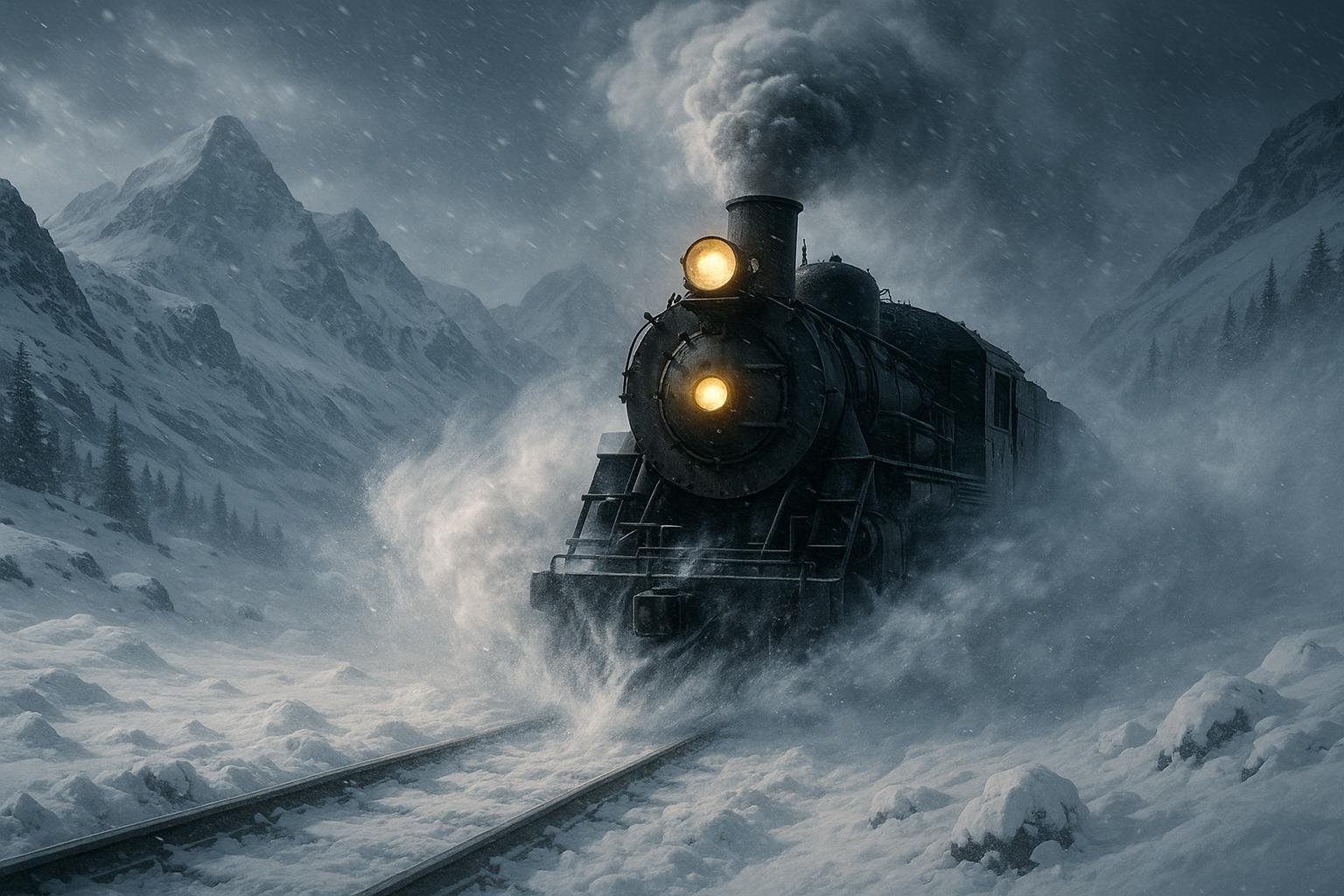
Major U.S. rail operators activate extensive winter preparedness plans as a severe snow, sleet and freezing rain system strains networks, testing resilience and operational agility amid forecasted heavy snowfall and ice.

A sweeping winter system that has driven temperatures well below freezing and produced a complex mix of snow, sleet and freezing rain is putting U.S. rail corridors under intense strain, prompting Class I railways and passenger operators to move into he...
Continue Reading This Article
Enjoy this article as well as all of our content, including reports, news, tips and more.
By registering or signing into your SRM Today account, you agree to SRM Today's Terms of Use and consent to the processing of your personal information as described in our Privacy Policy.
CSX has declared a continuous readiness posture across a corridor from Nashville toward Georgia, mobilising crews, generators and snow-removal assets to battle ice accumulation and protect switch grids. According to a CSX customer advisory, the railroad is monitoring the storm closely and advising customers to keep tracks and switches clear while it stages resources to limit disruption. CSX operations leaders warn that power outages and road closures could prolong recovery through midweek, but say their layered preparations are designed to shrink the window for service interruption.
BNSF has activated its Winter Action Plans, emphasising strategic adjustments to preserve braking performance and mechanical reliability in extreme cold. The railroad is prioritising air-pressure management for brake systems, shortening train lengths where needed and using distributed power, placing locomotives mid-train or at trailing positions, to even out traction, heat and braking loads across long consists. BNSF’s published guidance also notes a long-running focus on winter readiness across its operating divisions, with pre-positioned snow-clearing equipment and 24/7 response teams that have been credited with reducing equipment incidents substantially over the past decades.
Norfolk Southern is likewise monitoring the event from a systemwide vantage and keeping intermodal facilities operational for now while preparing for rapid adjustments. Norfolk Southern’s customer alert describes a unified command approach that links terminal operations, dispatch and field crews and points to continuous monitoring from its Network Operations Center in Atlanta. The company says teams are conducting cold-weather patrols, clearing switches and staging snow-removal crews to protect yards and maintain flow, while warning that localized closures remain possible as freezing rain and heavy wet snow increase handling complexity.
Passenger services have not been spared. Amtrak and other passenger operators have already cancelled some mainline services, and carriers are deploying surge staff, flexible timetables and bus bridges or short-turn services where tracks or terminals become unsafe. The interconnectedness of freight and passenger movements means decisions to hold or slow trains in the face of icing and signalling risk can ripple across both networks.
Meteorological forecasts concentrate the greatest hazard from the Central Plains into the Mid-Atlantic, where bands of heavy snow and pockets of freezing rain may produce accumulation in the 20–38 cm range in some locations and persistent subfreezing conditions for several days. That mix is particularly disruptive for unsheltered yards, elevated crossings and hill routes where traction and crane productivity fall away as ice forms. Operators are pairing forecast models with live telemetry from trackside sensors and locomotive diagnostics to prioritise pre-emptive maintenance and condition-based dispatching, fixing problems before they cascade into systemwide delays.
Terminal handling is a special vulnerability. Intermodal hubs face slower crane cycles, increased container stacking and bottlenecks at gate windows as ice affects equipment and ground surfaces. Railways report deploying winterised maintenance routines, redundant power and contingency fuel supplies to keep gates and yard harnesses functional under stress. Norflok Southern and BNSF have emphasised that keeping terminals accessible requires both early preventive work and the ability to redeploy resources quickly as conditions shift.
For shippers, carriers advise pragmatic mitigation: consolidate movements where possible, reserve capacity windows in advance to reduce exposure to peak congestion, maintain buffer inventories for critical items and use intermodal routing to bypass the worst-affected corridors when feasible. For passengers, operators recommend monitoring carrier alerts, expecting schedule changes or bus substitutions and allowing extra time for transfers; carrying warm clothing, medications and portable chargers is prudent given the risk of extended on-board or station waits.
Beyond immediate tactics, the current episode doubles as a stress test of the railway network’s resilience. Industry playbooks being exercised now, round-the-clock operations centres, distributed power usage, proactive de-icing and data-driven dispatch, reflect a strategic shift toward preventing weather-related outages rather than merely reacting to them. How successfully CSX, BNSF, Norfolk Southern and passenger operators sustain freight throughput and safe passenger service through the prolonged cold will shape assessments of U.S. rail reliability in the months ahead.
Source: Noah Wire Services
Subscribe to Industry Updates

