


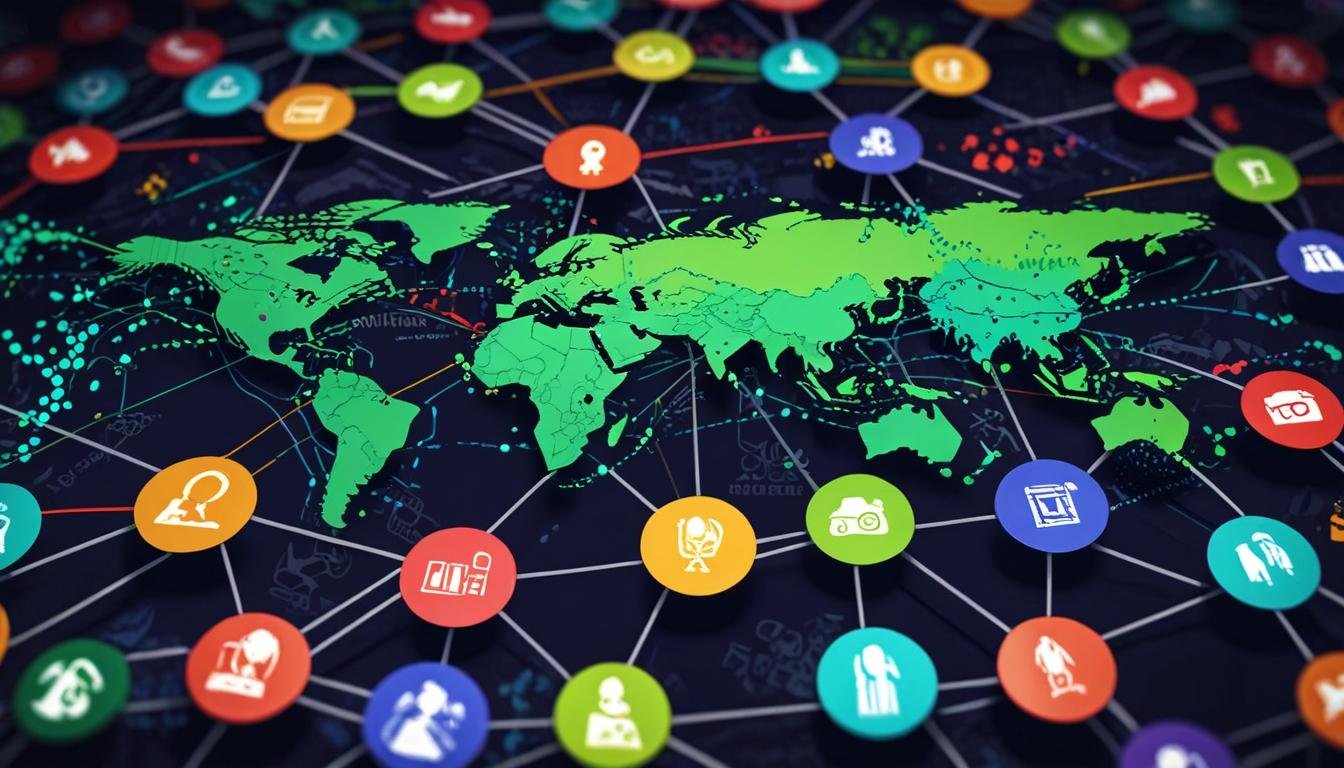
The global trade landscape is undergoing a significant transformation owing to the implementation of trade tariffs and counter-tariffs, a situation that has altered long-standing supplier and customer relationships. This new reality compels businesses to optimise their supply chains in more advantageous jurisdictions, all while navigating an increasingly complicated array of ethical and legal obligations.
As companies adjust their supply and distribution chains, they face heightened challenges in maintaining due diligence. While the drive for cost efficiency remains paramount, the rush to reorganise must not overshadow corporate responsibilities. Ensuring operational integrity of new partners should be a fundamental aspect of any supply chain strategy. This concern echoes the insights presented by various industry experts who emphasise the importance of vigilance in maintaining ethical sourcing practices.

The shifting dynamics of tariffs compel businesses to forge new relationships with suppliers from unfamiliar territories, or potentially revisit older partnerships that were once deemed too risky or costly. This necessity introduces complications in due diligence processes, particularly if a company lacks prior experience in a supplier’s jurisdiction. The ramifications of inadequate vetting can be significant; companies risk encountering issues related to modern slavery, poor environmental controls, or the unintentional procurement of materials from conflict zones. As underscored by industry commentary, the adoption of robust third-party risk management frameworks is fundamental for identifying and assessing these escalating risks continuously, rather than only during the initial supplier evaluation.
Importantly, neglecting due diligence amidst the scramble for new suppliers can result in abrupt operational disruptions. This not only affects supply chains but can hinder production timelines, compromise product quality, and lead to legal disputes. Such repercussions can severely impact a company’s profit margins, customer relationships, and overall market reputation. As seen in varied strategies adopted across industries, the call for ethical sourcing and compliance verification has become a non-negotiable imperative in today’s trade environment.
In the face of rapid supply chain transformations, companies are urged to adopt a proactive and strategic approach to maintaining due diligence. Emphasising integrity within the supply chain should be central to corporate policy, where ethical sourcing is embedded at every level. Investment in advanced technologies, including supply chain mapping tools and artificial intelligence, can bolster due diligence procedures and enhance compliance tracking, providing businesses with the capability to mitigate risks effectively.
Collaboration is equally vital; fostering open communication with suppliers, industry partners, and non-governmental organisations can elevate standards throughout the entire supply chain. Regular independent audits can further assure compliance, offering a comprehensive evaluation of supplier practices while identifying improvement areas.
Anticipating and preparing for future disruptions remains a strategic priority for businesses. Developing contingency plans can ease the impact of potential supply chain interruptions. Strategies such as diversifying supplier bases, establishing buffer stocks, and conducting scenario planning can fortify businesses against unforeseen tariff-induced challenges.
While the transition to a tariff-driven economic landscape presents formidable challenges, it simultaneously opens avenues for building resilient, sustainable, and ethical supply chains. By prioritising integrity and enhancing due diligence, businesses not only safeguard their processes but also contribute positively to a more equitable global marketplace. This optimistic outlook reinforces the notion that integrity, apart from being an ethical choice, is also a solid business strategy for long-term success.
Reference Map
- Paragraphs 1, 2, 3, 4, 5, 6, 7
- Paragraphs 4, 5
- Paragraph 5
- Paragraphs 4, 6, 7
- Paragraphs 4, 7
- Paragraphs 4, 6
- Paragraphs 2, 4, 7
Source: Noah Wire Services

