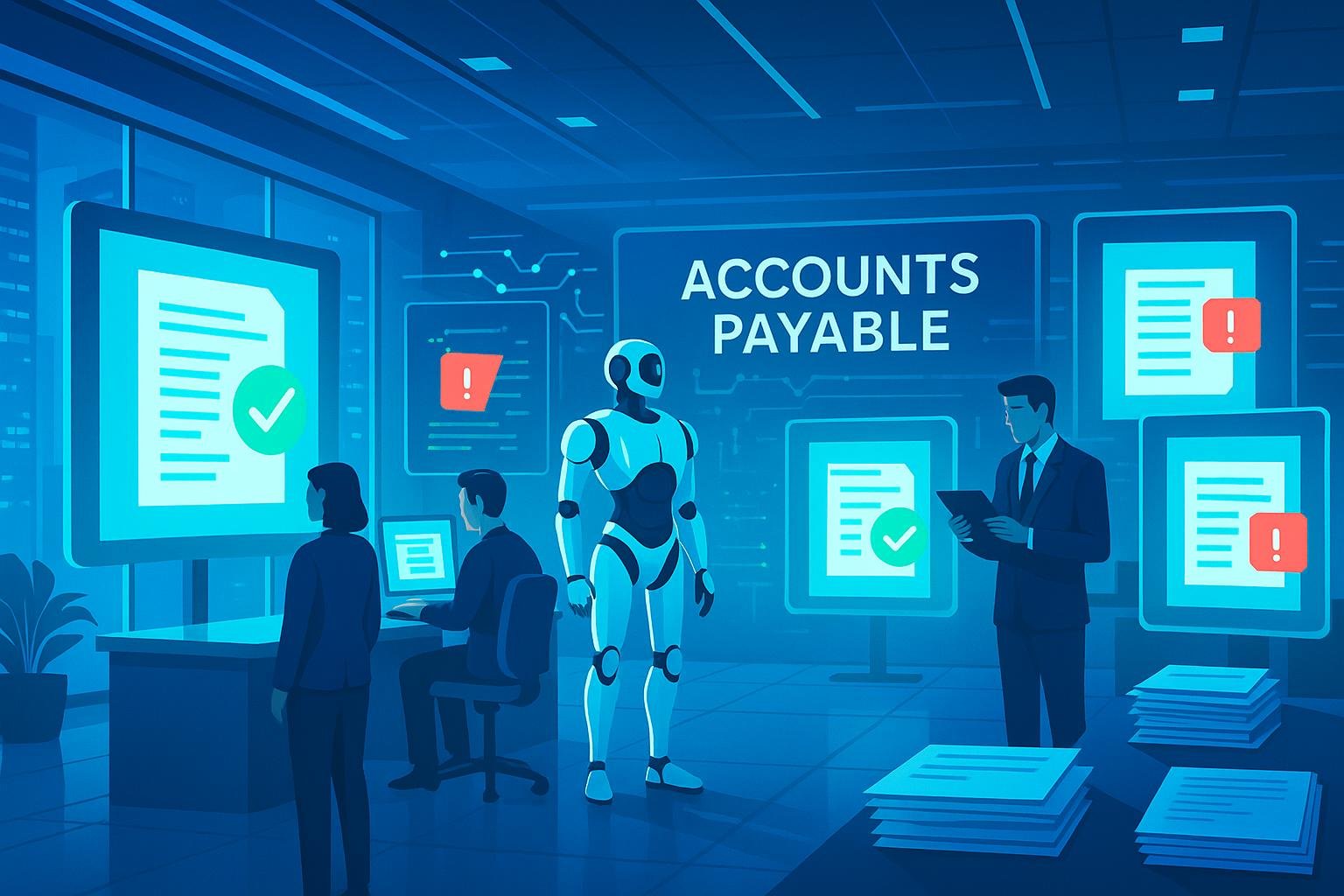
Procurement and accounts payable are increasingly being pulled into the same operating model, as companies move away from stitched-together workflows and towards end-to-end orchestration of spending.
A recent webcast hosted by Ardent Partners and Zip, “Uniting Intake-to-Pay to Drive 2026 Performance”, framed the change as more than a systems upgrade. The argument is that the old division between sourcing and invoice processing leaves organisations exposed to delays,...
Continue Reading This Article
Enjoy this article as well as all of our content, including reports, news, tips and more.
By registering or signing into your SRM Today account, you agree to SRM Today's Terms of Use and consent to the processing of your personal information as described in our Privacy Policy.
duplicated work and weaker controls. When requests, approvals, contracts, purchase orders and payments sit in separate processes, important context is often lost before AP ever sees an invoice.
That problem begins at intake. Historically, the request stage has been treated as a front-door formality, but it is often where missing supplier details, incomplete approvals and policy gaps first appear. By the time invoices reach AP, teams may be forced to reconstruct the original request, check terms, chase down authorisations and resolve mismatches. Ardent Partners has said that while automation has improved invoice costs and cycle times, exception rates remain stubbornly high, suggesting the issue sits across the full process rather than in AP alone.
The case for orchestration has grown stronger as buying decisions have become more complex. Professional services, technology purchases and other cross-functional categories often involve legal, IT security, finance and HR, each using different tools and working to different priorities. According to the webcast discussion, a unified intake-to-pay model helps preserve the original context of a request as it moves through procurement and into payment, reducing the chance that critical information disappears between functions.
Vendors are already moving in that direction. UiPath recently announced an agentic AI solution aimed at speeding procurement cycles by embedding intelligent agents into finance workflows, with the company saying it is designed to reduce costs and handle exceptions more efficiently. Zip, meanwhile, introduced Zip Intake-to-Pay in 2023 as a platform extending intake-to-procure capabilities into purchase order management, AP automation and B2B payments. Other providers, including GEP, have also been promoting AI-driven orchestration as a way to connect people, data and systems across the buying process. Ivalua describes procurement orchestration as the coordination layer that keeps requests, approvals and transactions moving through the right channels.
The appeal of the model is not just efficiency. Ardent Partners has reported that many organisations still manage only 60% to 70% of total spend through formal procurement channels, leaving a significant share outside controlled processes. A more user-friendly intake experience can help bring more of that spend under management, improving compliance and reducing maverick buying.
Artificial intelligence is becoming central to that effort. At the intake stage, AI can validate data, extract information from documents, compare requests with prior activity, flag policy breaches and check supplier credentials before a human approver ever gets involved. That shifts governance upstream, making controls part of the workflow rather than something applied after the fact.
Suppliers also stand to benefit. From their point of view, procurement and AP are not separate departments but one customer relationship. Cleaner purchase orders, fewer disputes and more predictable payment timing can improve trust, while reducing the churn of follow-up calls and exceptions that often slow settlements.
The broader implication is that procurement and AP are becoming strategic rather than purely transactional. Procurement gains better visibility into spend, compliance and savings leakage. AP gains tighter cash control, better risk management and more scope to optimise payment timing. For CPOs and CFOs, the message from the webcast and the wider vendor activity is clear: intake-to-pay is emerging as the operating model for a more controlled, data-rich and responsive spend process.
Source: Noah Wire Services