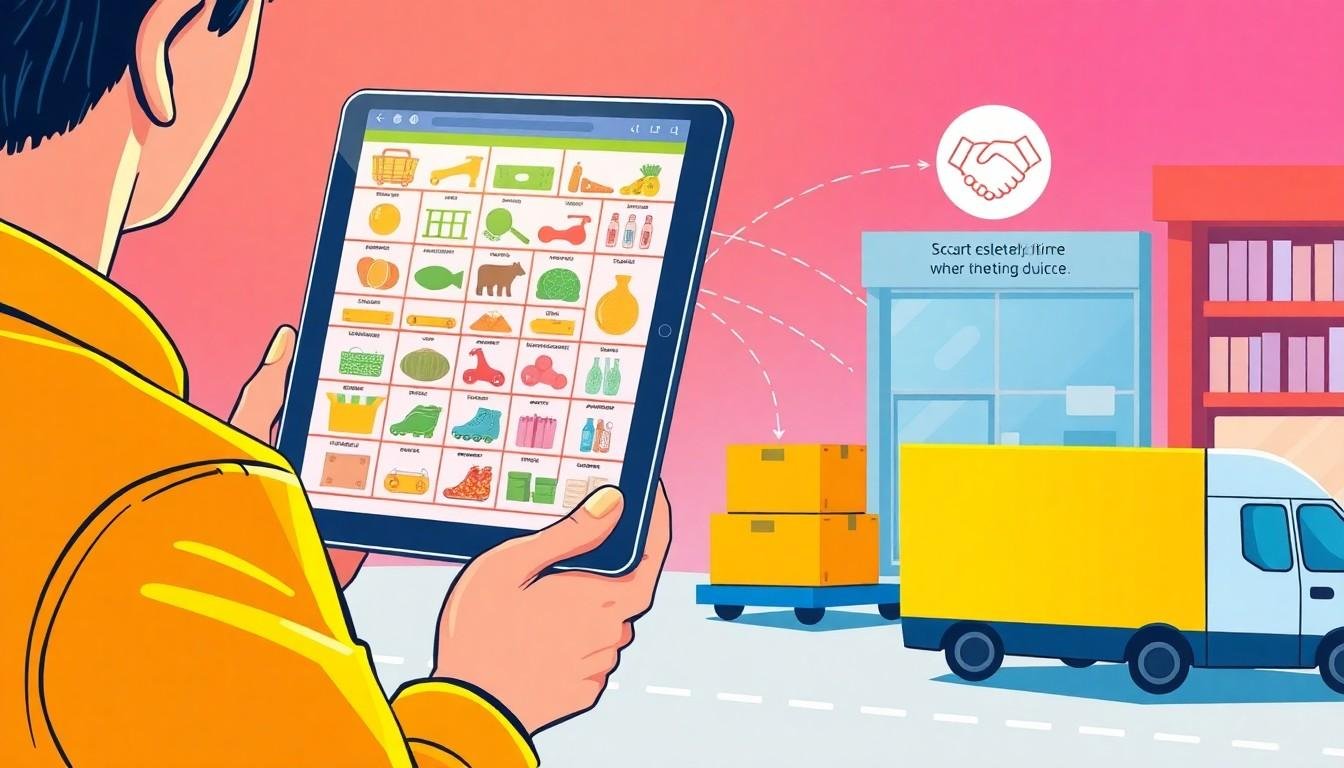
Business-to-business procurement is increasingly moving online, giving retailers new ways to find suppliers and compare products. Digital platforms can bring offers from several wholesalers together, making it easier for firms to assess alternatives and potentially reducing the time spent sourcing stock.
That broader reach may be particularly valuable to smaller and regional businesses. A retailer in Debrecen or elsewhere in Hajdú-Bihar County, for example, can investigate sup...
Continue Reading This Article
Enjoy this article as well as all of our content, including reports, news, tips and more.
By registering or signing into your SRM Today account, you agree to SRM Today's Terms of Use and consent to the processing of your personal information as described in our Privacy Policy.
pliers beyond its immediate area without relying solely on local contacts. The Hungarian publication Délmagyarország says online sourcing can help businesses identify options regardless of where they are based, while complementing rather than displacing established personal relationships.
Choosing a wholesaler still involves more than finding the lowest price. Product range, stock availability, delivery arrangements and reliability all affect whether a supplier can meet a retailer’s needs. Accurate inventory information, clear product details, straightforward ordering and flexible payment options can also shape the experience, according to an industry report on B2B buyers’ preferences. A well-managed purchasing process can help businesses respond to changes in customer demand and keep stock under control.
Research from McKinsey highlights why digital tools alone are unlikely to suit every transaction. B2B buyers increasingly move between online, remote and face-to-face channels, and expect information and service to remain consistent as they do so. Self-service purchasing may work well for routine orders, while first-time, complex or high-value purchases can call for direct discussion with a supplier. Poor or inconsistent digital experiences may also prompt buyers to consider switching.
The Hong Kong Trade Development Council’s survey of international buyers found that online sourcing is being used to discover products and identify additional suppliers. Using more than one platform can help buyers meet different sourcing needs and broaden their choices. Those findings reflect the respondents surveyed, rather than a universal pattern, but they underline the potential for digital marketplaces to help businesses diversify their supply base.
For wholesalers, the task is therefore not simply to put a catalogue online. Buyers also need dependable information, a smooth ordering process and access to knowledgeable staff when questions become more involved. Industry research on B2B commerce points to convenience and efficiency as benefits of online purchasing, while also identifying personal relationships and account support as important parts of supplier service.
Online procurement can widen access to offers and simplify routine buying, but it does not make trust or dependable delivery less important. For many businesses, the strongest approach is likely to combine digital tools with human contact, using each where it best serves the purchasing decision.
Source: Noah Wire Services