Brent crude slid to its weakest level since early March as traders became more convinced that a US-Iran peace arrangement could be close, easing some of the fear premium that has supported oil prices through weeks of Middle East turmoil.
Brent futures settled at $87.33 a barrel, down $3.05, or 3.37%, while US West Texas Intermediate ended at $84.88, down $2.83, or 3.23%. That left WTI at its lowest level since 17 April. The sell-off reflected growing expectations that a memoran...
Continue Reading This Article
Enjoy this article as well as all of our content, including reports, news, tips and more.
By registering or signing into your SRM Today account, you agree to SRM Today's Terms of Use and consent to the processing of your personal information as described in our Privacy Policy.
dum of understanding between Washington and Tehran could be signed quickly, potentially in Geneva, after a Western source told Reuters on Friday that a deal might come as soon as Sunday.
Iran, however, has not confirmed that a binding agreement is in place. Foreign Minister Abbas Araqchi said on Friday that no memorandum had yet been signed and that details could still change. Still, the tone of the market shifted sharply after US President Donald Trump cancelled threatened air strikes on Thursday, while Iranian state and semi-official outlets described talks as moving towards a framework focused on nuclear and economic issues.
Analysts said the price action was being driven as much by headlines as by fundamentals. Tamas Varga of PVM Oil Associates said confidence that shipping could resume through the Strait of Hormuz was helping to push prices lower, although he warned that oil stocks remain tight and could fall further before any lasting improvement in supply is felt. John Kilduff of Again Capital said the reports from Iran were the main force dragging the market down.
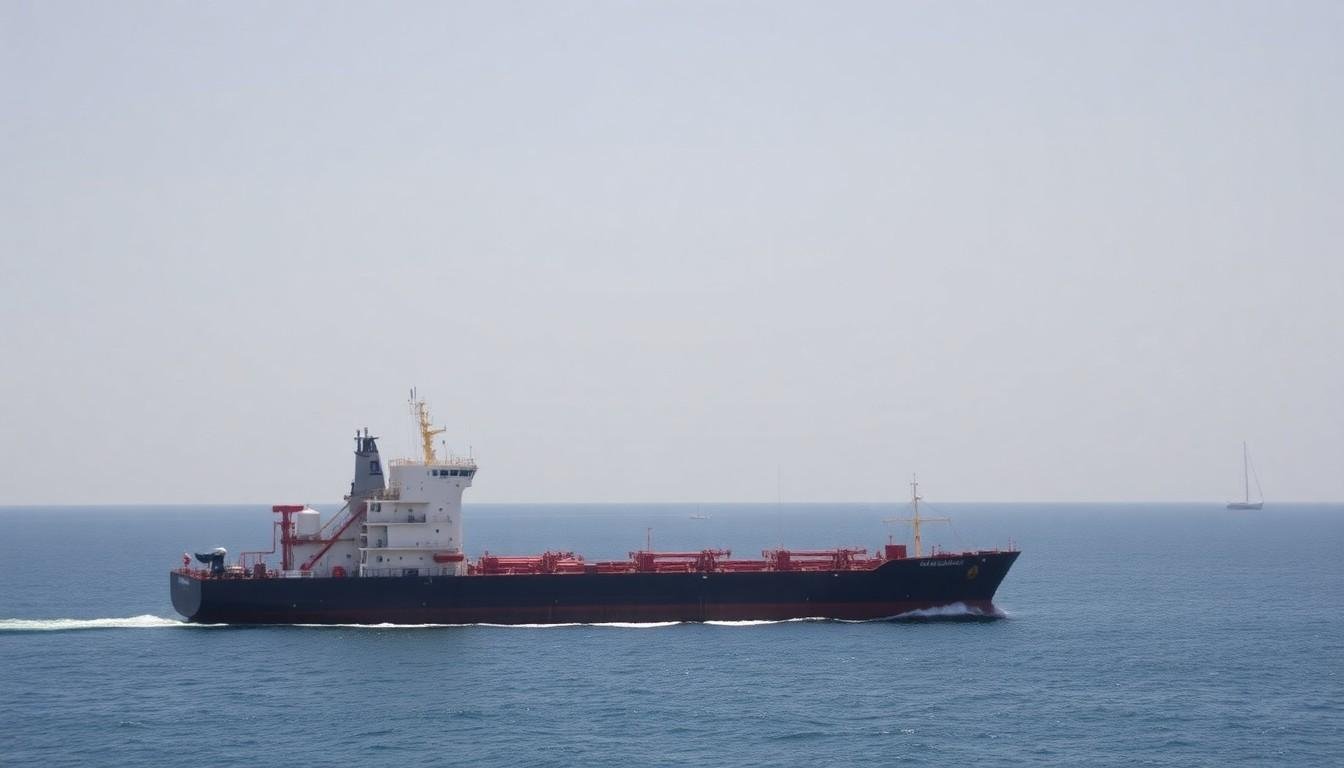
The Strait of Hormuz has been at the centre of the recent shock. Iran said on Thursday that it had completely closed the waterway and would target any vessel attempting to pass through, although the US military said commercial ships were still transiting the route. The strait normally carries about a fifth of the world’s oil and liquefied natural gas shipments, making even brief disruption enough to unsettle global energy markets.
The recent volatility has come after an extraordinary run-up in risk. Earlier reports from Axios said oil had already jumped and fallen sharply as the conflict intensified and then showed tentative signs of de-escalation. Another Axios report noted that US crude inventories fell by more than 7 million barrels in the week ending 5 June, underlining how quickly stockpiles are being drawn down while supply routes are constrained. S&P Global Energy has also warned that inventories in key US refining regions are now at relatively low levels.
That backdrop has kept traders alert to the possibility of a renewed price spike if shipping does not normalise soon. ING analysts said the market could reach an inflection point in late July if oil flows are still not recovering by then, arguing that inventories and seasonal demand could then push prices markedly higher. Goldman Sachs, meanwhile, has cut its 2027 average Brent forecast to $80 a barrel on the back of stronger supply and softer demand, but still sees prices supported by stockpiling and the premium attached to geopolitical disruption.
The broader demand picture remains mixed. The US Energy Information Administration said Brent averaged $80 a barrel in 2024, with prices moving within a relatively narrow range despite conflicts in the Middle East and OPEC+ production restraint. Global oil consumption grew by less than 1 million barrels per day that year, below the pre-pandemic norm, a sign that supply shocks and slower demand are still pulling in different directions.
OPEC added to the uncertain tone on Thursday when it lowered its forecast for 2026 world oil demand growth to 970,000 barrels per day from 1.17 million, its second straight downgrade. Even so, the group still expects demand to rebound in 2027, suggesting producers do not see the current weakness as permanent.
For now, though, the market is being steered by hopes that diplomacy may do what military escalation could not: reopen one of the world’s most important energy chokepoints and remove, at least temporarily, the fear that has driven crude prices in recent weeks.
Source: Noah Wire Services