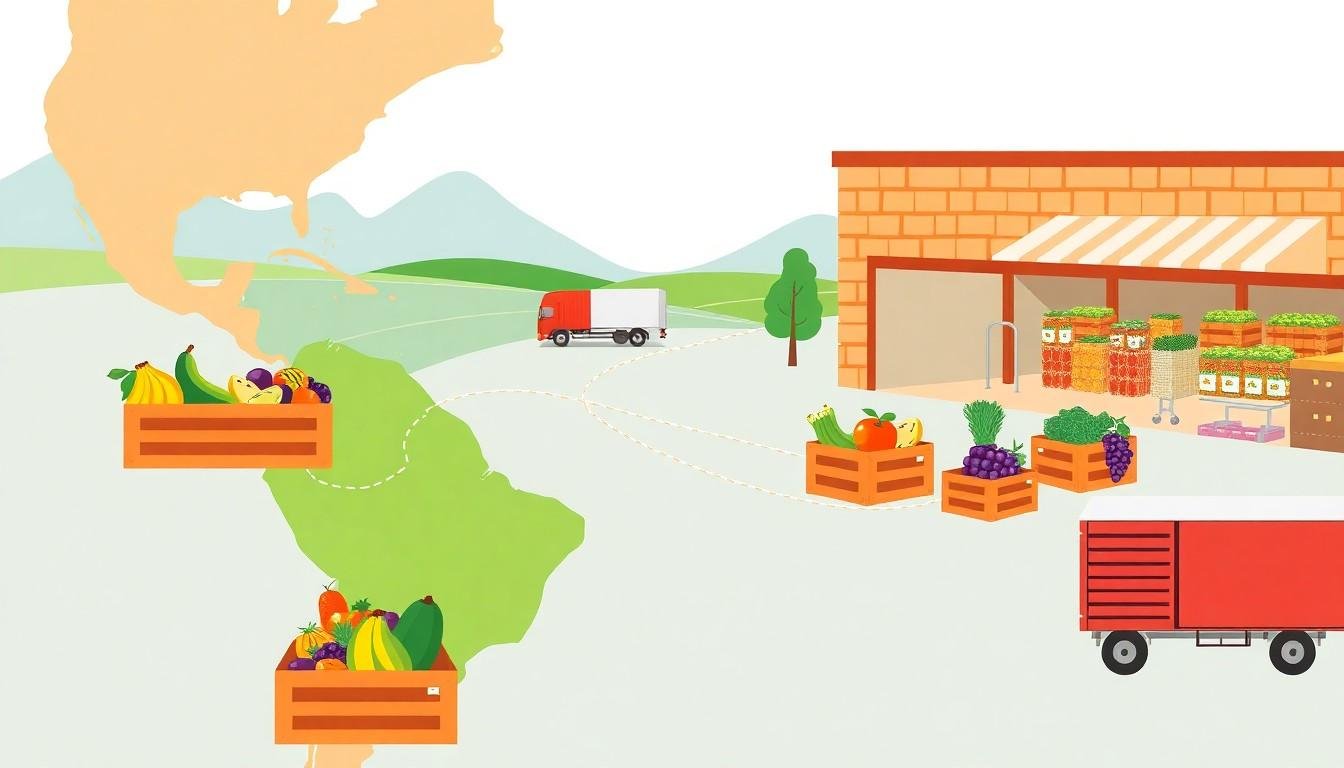
Kroger is preparing to expand the share of its international food purchases made directly from producers, a shift that could give the US supermarket group greater influence over costs, supply and product requirements.
The retailer is targeting direct sourcing of more than 10% of its goods, up from a current level of less than 1%, according to Supply Chain Dive. Its early work includes fruit from South America: the publication reported that Kroger bought about 40% of the importe...
Continue Reading This Article
Enjoy this article as well as all of our content, including reports, news, tips and more.
By registering or signing into your SRM Today account, you agree to SRM Today's Terms of Use and consent to the processing of your personal information as described in our Privacy Policy.
d grapes it needed for the November 2026 season directly from growers in Peru.
The plan is expected to extend to citrus, shrimp and frozen vegetables. Kroger is building sourcing operations in South America and Asia, with local teams in key procurement areas, and is working towards an import and distribution model that it owns more fully. The transition also requires investment in logistics, staffing and payment systems.
Kroger says direct purchasing can remove the intermediary’s margin, improve access to products and give its buyers more useful information on volumes, demand and supplier performance. The company also sees closer contact with producers as a route to developing products and specifications. Those gains are not automatic: managing international procurement directly means taking on work and responsibilities that may previously have sat with importers.
The change builds on an already broad supplier network. Kroger’s 2024 environmental, social and governance report says its central merchandising teams work with sourcing leaders to assess suppliers, regions and contract terms. It also describes procedures for supplier onboarding, production-location disclosure and compliance checks, with a risk-based approach to monitoring commodities including seafood.
For exporters, a more direct route to Kroger could bring a closer relationship with the retailer’s buying teams, but also place greater weight on reliable production, traceability and the ability to meet detailed requirements. Kroger’s supplier information directs prospective vendors to register through its Supplier Hub, while its ESG report sets out expectations for documentation, assessments and certifications. The company says it may work with suppliers on corrective actions and capacity-building where needed.
The move may also alter the role of established importers, rather than simply remove them from the chain. Direct purchasing can give a retailer more oversight of origin and pricing, but producers seeking access to a large US grocery network will need to demonstrate that they can meet its scale and operational standards.
Kroger’s former buyer John Ashley has described the company’s produce purchasing as a balance between centralised buying, which helps secure consistent quality and volume, and local sourcing, which can offer seasonal freshness and regional variety. The new international effort would strengthen the retailer’s direct connection with producers while preserving the need to manage dependable supply across a large store network.
Source: Noah Wire Services