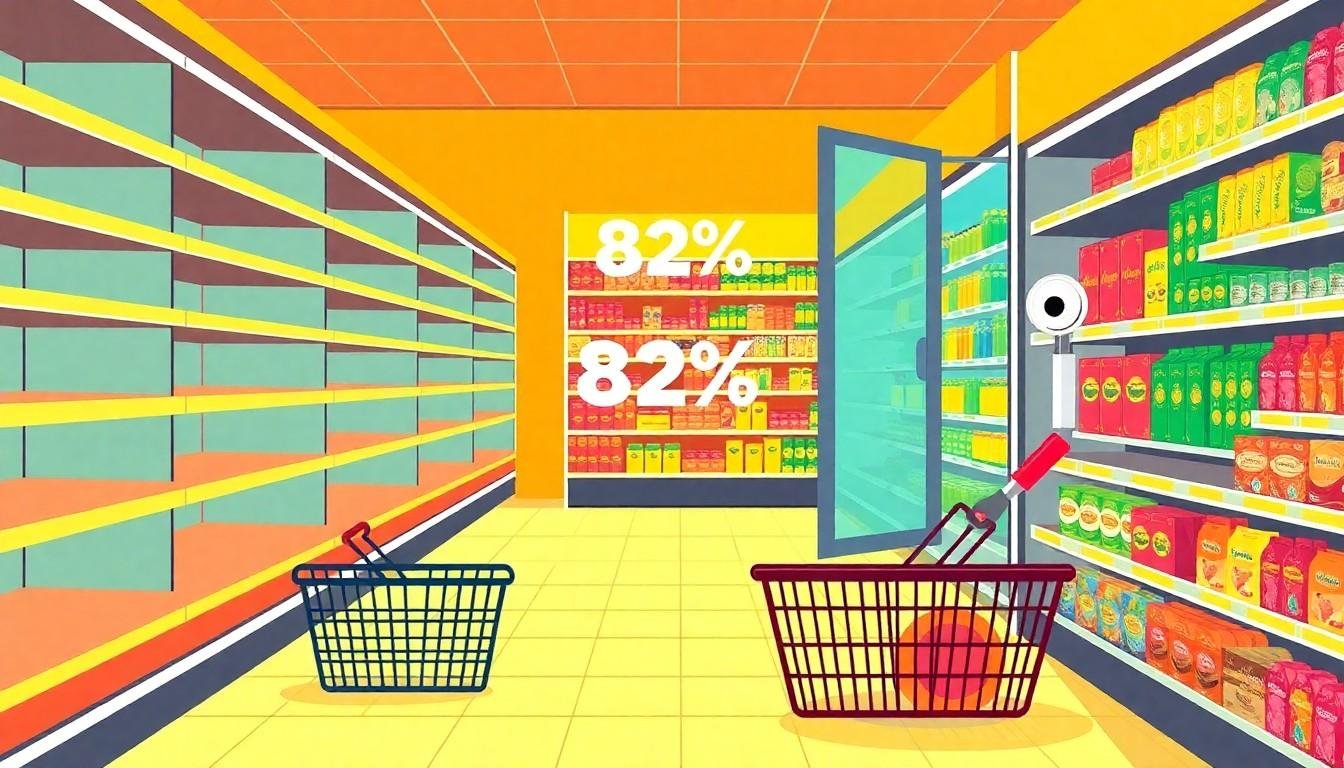
Repeated stock-outs can turn a routine shopping frustration into a lasting loss of customers, according to research by inventory-management company DOSS. Its survey of 1,000 US adults found that 82% would try a competitor if a product they usually bought was frequently unavailable, while 62% had switched brands after encountering a stock-out.
The findings, drawn from an online survey conducted in April 2026 and an analysis of 8,679 Reddit posts, suggest that product availabilit...
Continue Reading This Article
Enjoy this article as well as all of our content, including reports, news, tips and more.
By registering or signing into your SRM Today account, you agree to SRM Today's Terms of Use and consent to the processing of your personal information as described in our Privacy Policy.
y is not simply an operational concern. For shoppers, it is part of the service they expect from a retailer or brand.
Nearly three-quarters of respondents said they had found a product they regularly bought out of stock in the previous year. Online shoppers experienced such shortages about three times annually on average. When an item was unavailable, 45% said they bought it from another retailer and 32% temporarily chose a competing brand.
Fashion and apparel produced the greatest share of stock-out complaints in DOSS’s analysis of Reddit discussions, followed closely by beauty and personal care and electronics. These purchases can be difficult to substitute: a shopper may need a particular size, shade, style or model, rather than a broadly similar item.
DOSS vice-president of business development and marketing Sebastiaan Debrouwere said customers were generally unwilling to wait for a product to return once they had settled on a brand. The company’s survey also found that a quarter of respondents felt stock-outs had damaged their trust, and 6% had posted a negative review after an availability or fulfilment problem.
The research distinguishes between a one-off shortage and a recurring failure to keep products available. An isolated incident may be tolerated, but repeated gaps can encourage shoppers to find an alternative and stay with it. DOSS’s analysis of Reddit posts offers a picture of where consumers publicly discuss shortages; the posts do not independently confirm that each reported stock-out occurred.
Other research points to similar behaviour, although the figures are not directly comparable. A Capgemini Research Institute survey of 11,300 consumers in late 2022 found that 58% would buy another brand if their preferred product was unavailable, while 53% would wait for it to return. The results underline that responses vary: some shoppers substitute, others wait, and some look for the item elsewhere.
Retailers can reduce the damage by improving demand forecasts and keeping inventory information accurate across sales channels. When shortages cannot be avoided, clear updates on availability and expected replenishment, alongside practical alternatives, can help prevent disappointment from becoming a reason to shop elsewhere. Reliable stock, the findings suggest, is a basic part of customer experience that loyalty incentives alone cannot replace.
Source: Noah Wire Services