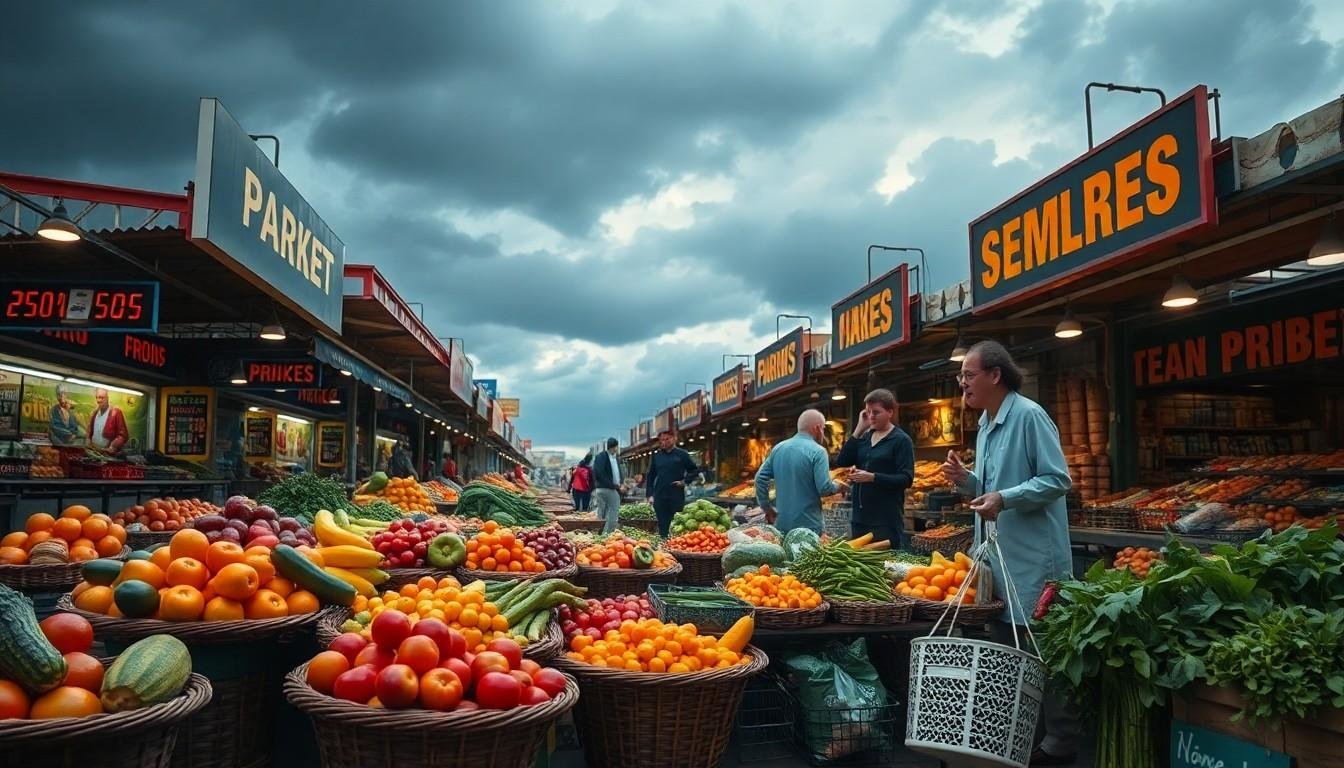
Shoppers in the US are facing a fresh burst of pain in the produce aisle, with tomatoes, lettuce, berries and peppers among the items drawing attention for sharp price rises.
Consumer price data published by the US Bureau of Labor Statistics shows tomatoes were about one-fifth more expensive in June 2026 than a year earlier. Lettuce posted an even steeper rise of roughly 32% over the same period, while fresh vegetables overall increased by about 10%. Fresh fruit also became cos...
Continue Reading This Article
Enjoy this article as well as all of our content, including reports, news, tips and more.
By registering or signing into your SRM Today account, you agree to SRM Today's Terms of Use and consent to the processing of your personal information as described in our Privacy Policy.
tlier, though more modestly, with apples up 7% and citrus fruit 6% higher.
The gains reflect a mix of pressures rather than a single shock. Writing in The Conversation, agricultural economist Elizabeth Canales said extreme weather, labour shortages, higher wages, energy and transport costs, and trade policy have all fed into the increase. In her view, the result is a build-up of costs across the supply chain that is unlikely to unwind quickly.
Weather has played a major role. Unusual freezes in Florida early in 2026 damaged crops including citrus, strawberries, blueberries, tomatoes and sweet corn, cutting yields and pushing prices higher. At the same time, the US depends heavily on imports during the winter and early spring, when domestic production is limited, making the market especially vulnerable when weather problems coincide with trade disruptions.
Tomatoes illustrate the dynamic particularly clearly. The US Commerce Department withdrew in June 2025 from the U.S.-Mexico Tomato Suspension Agreement, ending duty-free access for many Mexican tomatoes and effectively imposing a 17% antidumping duty. Because imports account for about three-quarters of US tomato supply, and Mexico provides most foreign-grown tomatoes, reduced availability fed through to consumers. Reports cited by The Conversation and FreshPlaza suggest Mexican tomato imports fell by 13% year on year after the agreement ended.
Costs have also risen lower down the production chain. Labour remains a persistent burden for growers, who rely on a heavily manual workforce for crops ranging from strawberries to collard greens. Fertiliser prices have surged too, with US government data showing manufacturers’ prices up more than 20% year on year in June 2026 and nitrogen fertiliser up 46%.
Fuel has added another layer of strain. The conflict involving Iran has lifted energy prices, and the Department of Agriculture said refrigerated truck rates were 20% higher in June 2026 than in June 2025. That matters because chilled transport is crucial for fresh produce moving from farms to stores.
The squeeze is showing up in household behaviour. A May 2026 survey cited by Canales found one in three households had reduced fresh produce purchases, while one in five shoppers said they had switched from fresh to frozen. She argued that canned and frozen fruit and vegetables can offer cheaper alternatives, with prices for processed produce rising by just 3% and frozen produce by 2.4% over the year.
Even so, the outlook remains uncomfortable. Rabobank has said the tomato market is still adjusting to changing supply and demand, while wider inflation pressures continue to complicate efforts to bring grocery prices down. For now, relief at the checkout is likely to be slow.
Source: Noah Wire Services