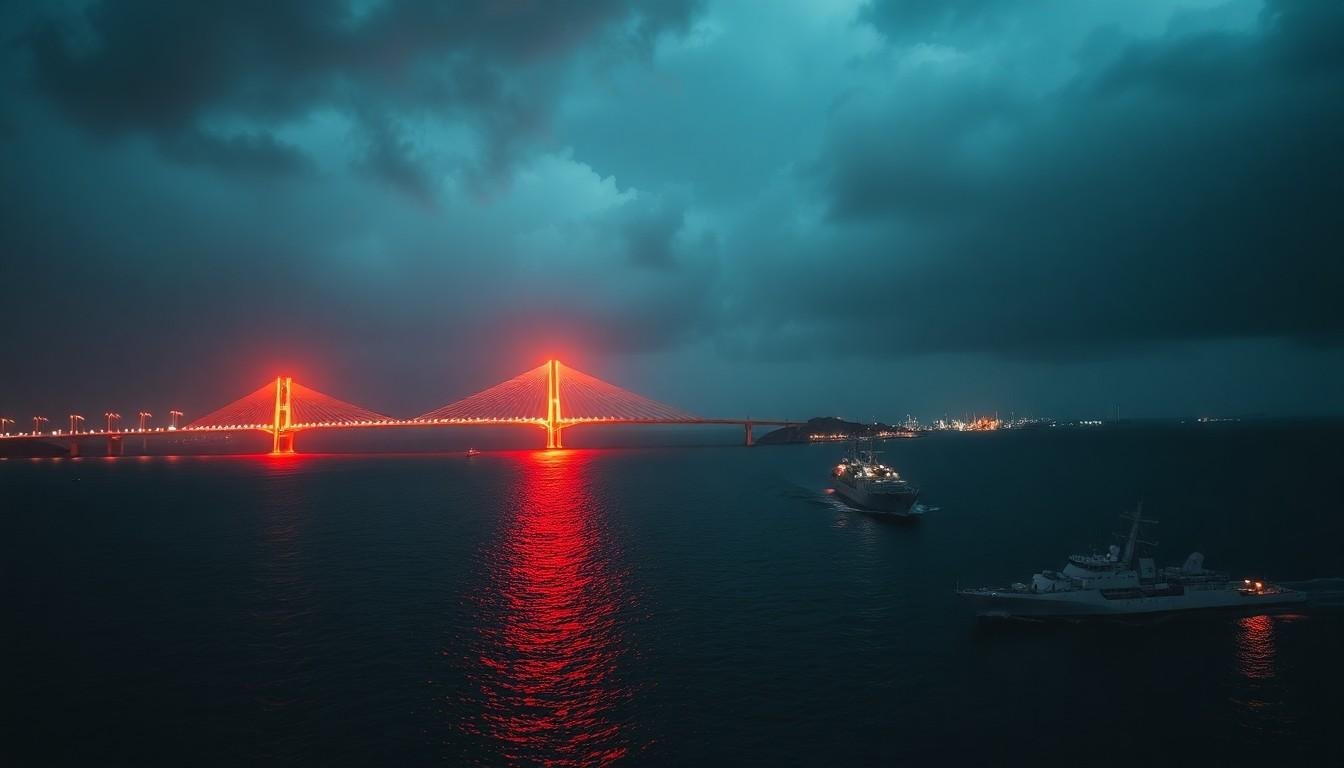
Iran’s reported attack on the King Fahd Causeway has been framed by market watchers as another sign that the Gulf confrontation is still worsening, even as the authenticity of the claim remains disputed and several credible sources have treated it as misinformation. The episode came after renewed US strikes on Iranian infrastructure and against the backdrop of a ceasefire that collapsed in mid-June, reopening a cycle of retaliatory action across the region. (
Continue Reading This Article
Enjoy this article as well as all of our content, including reports, news, tips and more.
By registering or signing into your SRM Today account, you agree to SRM Today's Terms of Use and consent to the processing of your personal information as described in our Privacy Policy.
nofollow noopener noreferrer" href="https://cryptobriefing.com/iran-allegedly-targets-king-fahd-causeway-amid-gulf-tensions/">cryptobriefing.com)
The immediate market reaction has been cautious rather than dramatic, but still telling: CryptoBriefing said pricing in a prediction market for Strait of Hormuz traffic normalisation by 31 August had slipped to 11.5% for a “yes” outcome, down from 18% a week earlier. That decline reflects the wider view that the waterway, a vital route for Gulf energy exports, remains too exposed to military escalation to support a quick return to normal shipping conditions. (cryptobriefing.com)
The Strait of Hormuz is one of the world’s most important maritime chokepoints, with the International Energy Agency describing it as a critical oil transit corridor and the U.S. Energy Information Administration saying nearly 21 million barrels a day of crude oil and petroleum products crossed it in the first half of 2025. CFR said the strait has again become a focal point of U.S.-Iran conflict after the collapse of a 60-day ceasefire negotiated in June 2026. (cfr.org)
Analysts have long warned that Iran does not need to shut the strait completely to exert pressure. The Foundation for Defense of Democracies has reported that Tehran has used a form of payment-demand strategy in the waterway, with some vessels said to be charged as much as $2 million for passage, while the Washington Post has noted that Iran’s terrain, mines and missile positions give it leverage over traffic even under a blockade. (fdd.org)
That leverage has already affected shipping patterns. ABC News reported on 17 July that vessels struck in recent weeks were not random targets but part of what marine traffic watchers described as a highly targeted campaign. It also said Iran had moved to shut down a southern corridor used by some Gulf states to keep oil and gas moving, adding to the sense that even partial workarounds are becoming harder to sustain. (abc.net.au)
Brookings has argued that even if the strait reopens, the disruption will not disappear quickly. Its analysis says higher oil and fuel prices can persist long after shipping resumes, because damaged infrastructure, rerouted vessels and rebuilt inventories all take time. CFR has likewise warned that restoring reliable flows through Hormuz will require careful sequencing and that safe routes remain extremely limited. (brookings.edu)
For now, the causeway claim matters less for what it has definitively proved than for what it signals: that investors, shipowners and governments are still treating the Gulf as a live crisis zone, where rumours, retaliatory strikes and maritime disruption can move markets almost as quickly as confirmed attacks. (cryptobriefing.com)
Source: Noah Wire Services